
Phones and the internet in the UK: roaming, SIM cards, coverage and plugs
Getting online in the UK is easy and fairly cheap. The main things to check are whether your own plan roams here, and what to do where the signal runs out.
Phones and the internet
- Roaming: since Brexit, EU phone plans don't have to include free roaming in the UK, although many still do. Check with your provider before you go.
- SIM cards and eSIMs: a prepaid SIM from a UK network (such as EE, Vodafone, O2 or Three) or a travel eSIM is usually cheaper than roaming for a longer stay.
- Wi-Fi is free in most cafés, pubs, hotels and stations, and on many trains.
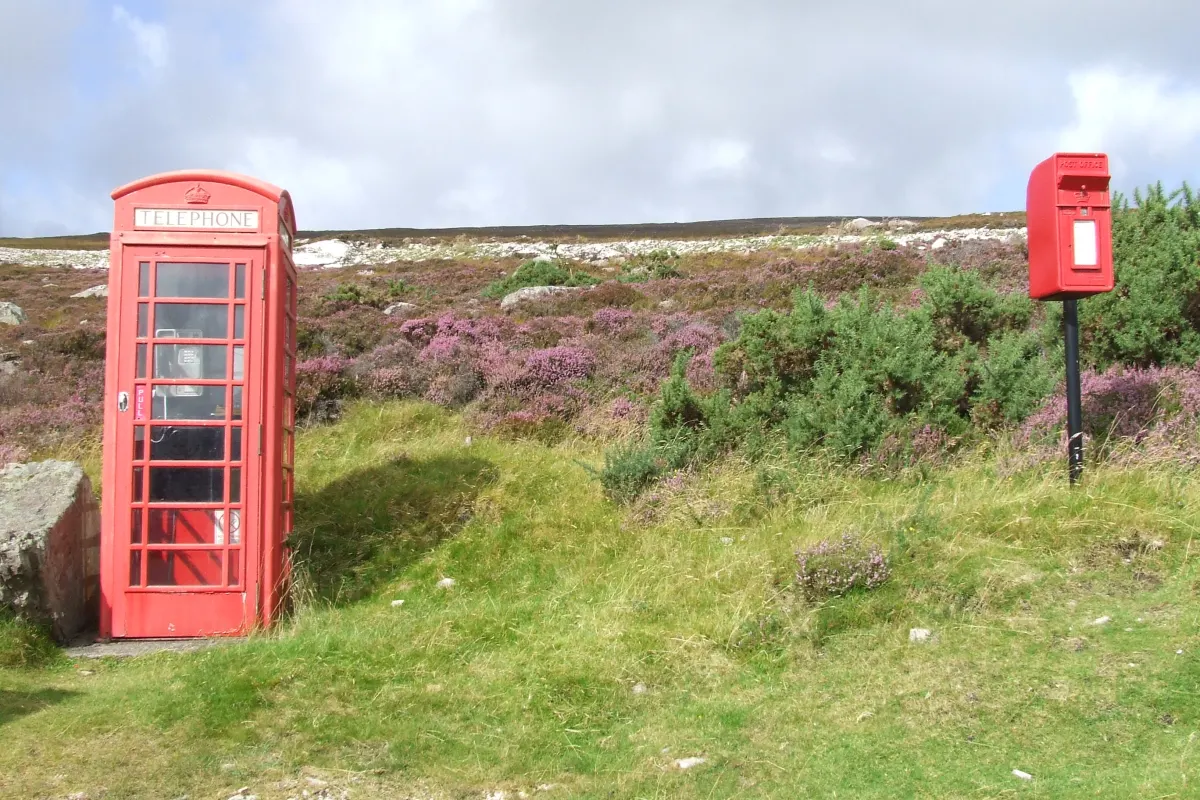
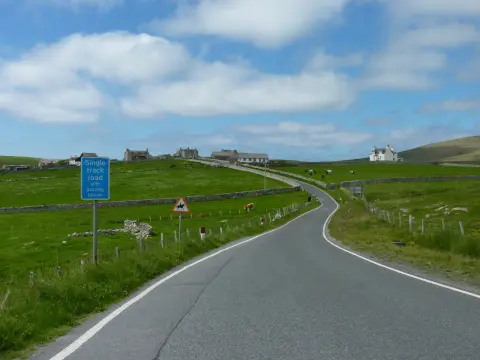
- Mobile coverage is good in towns, but patchy in the Highlands, on the islands and in parts of the national parks: download maps before you go.
Calls and emergencies
- 999 or 112: police, fire, ambulance, coastguard and, in the hills, mountain rescue (ask for the police, then mountain rescue).
- 111: NHS health advice in England, Scotland and Wales when it isn't an emergency. 101: police, when it isn't urgent.
- The country code is +44. Leave off the first 0 of the number when you call from abroad.
- Emergency Alerts make a loud noise on 4G and 5G phones, usually for dangerous floods or storms. Read them, and only then stop the noise.
Plugs
The UK uses 230 volts and plugs with three rectangular pins (type G), and sockets have a switch. Bring an adaptor. Bathrooms usually have only a two-pin shaver socket.
See also money in the UK.



Comments