
Mountain safety in New Zealand: getting lost, weather, rivers, gear, water, huts and beacons
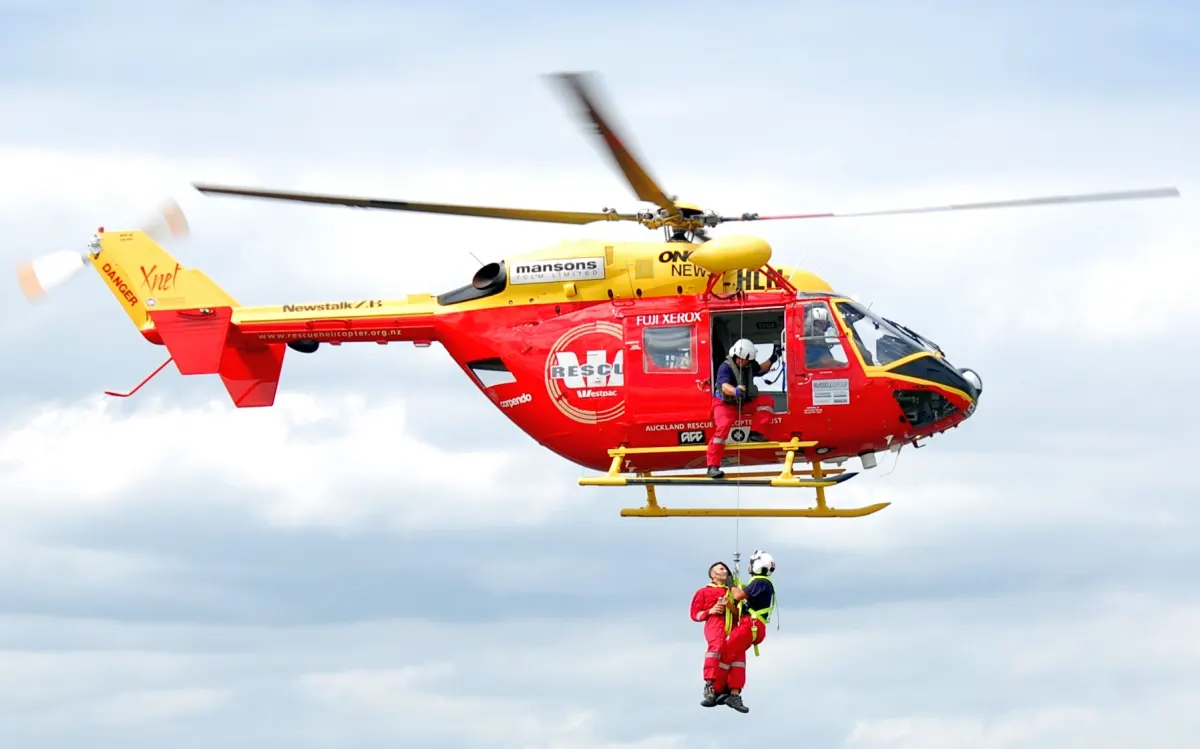
New Zealand's mountains are close to roads and easy to walk into, which is why so many visitors get caught out in them. Tracks start from car parks, but within an hour you can be above the bushline, out of phone coverage and in weather that has turned. Every year search and rescue teams bring out trampers who were lost, cold or stuck behind a flooded river. This page brings together the advice of the NZ Mountain Safety Council, the Department of Conservation (DOC) and the tramping clubs.
Plan the trip and tell someone
- Choose a track that suits you: DOC's track page gives the time, the grade and any alerts. Allow extra time and plenty of daylight.
- Use the Mountain Safety Council's Plan My Walk to check the track, the weather and the gear you need.
- Leave your intentions with someone you trust, through AdventureSmart: where you're going, when you'll be out and when to raise the alarm.
- Have a backup plan, and agree in your group when you'll turn back.
It's easy to get lost
Tracks fade above the bushline, in tussock and on scree, and in cloud the markers and cairns can vanish within a few metres. In thick bush, a side trail can lead you off the track.
- Carry a map of your route and know how to read it. Phone maps help, but batteries go flat in the cold.
- Stop often to check where you are, and keep the group together, with the slowest walker in front.
- If you lose the track, stop. Go back to the last marker you saw. If you can't find it, stay where you are, put on warm clothes, shelter, and use your beacon. People who stay put are much easier to find.
Changeable weather
New Zealand's weather comes straight off the sea and changes fast, more so in the mountains. Sun in the morning can be wind, rain and snow by afternoon, and it can snow in the mountains in any month, even in summer.
- Check the mountain forecast on MetService before you go, and again on the day.
- Wind makes it much colder on ridges and passes: a forecast of strong winds is a reason to change plans.
- Turn back early if the weather turns. The mountains will still be there.
Rivers, heavy rain and closures
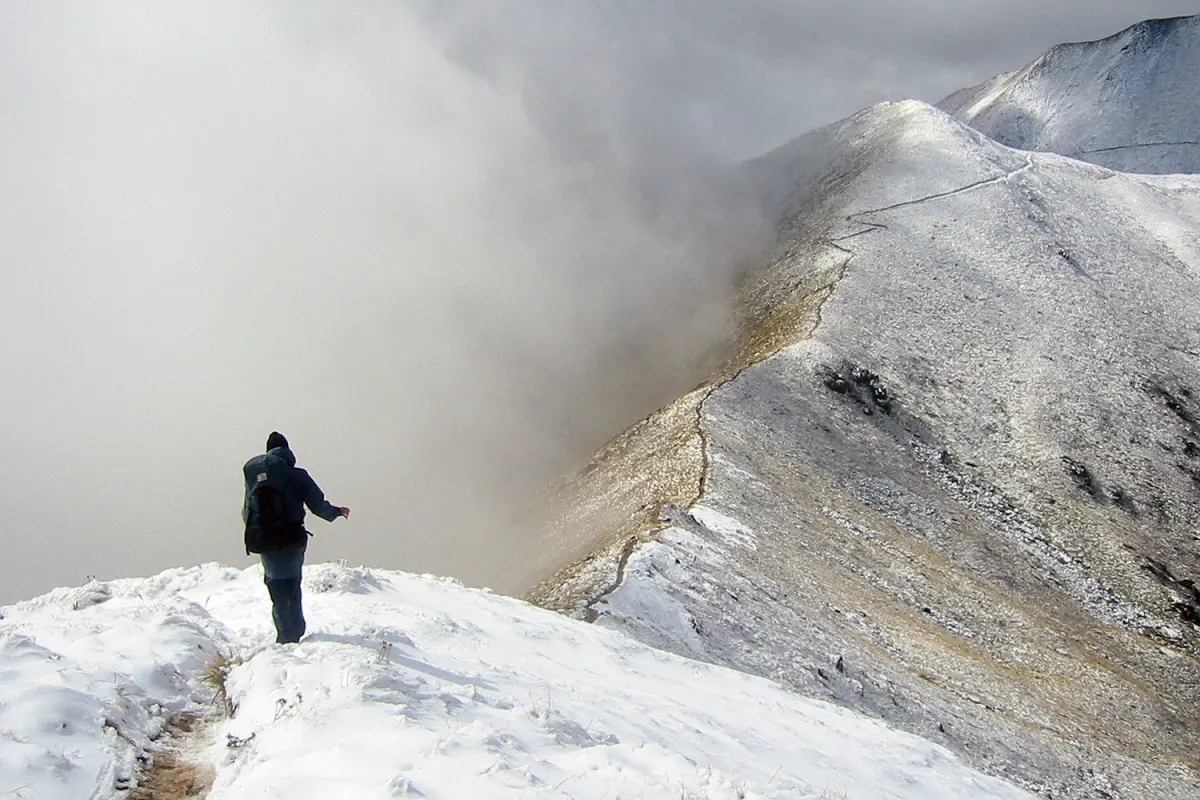
Drowning while crossing rivers is one of the main causes of death in the New Zealand outdoors. Rivers rise very quickly after heavy rain, even small side streams, and can stay high for a day or more.
- Check the track page for unbridged crossings, and the forecast for the whole catchment, not just where you are.
- Don't cross if the water is fast (faster than walking pace), murky, full of debris or loud. In DOC's words: "If in doubt, stay out."
- Wait for it to drop, or turn back. Carry an emergency shelter and extra food for a night's wait.
- Tracks close after floods, slips and storms. Check the alerts on the DOC track page or at a visitor centre before you set out.
Clothes
- Layers of wool (merino), fleece or polypropylene, which stay warm when wet. No cotton or denim: they pull heat from your body when wet.
- A waterproof, windproof jacket, even on a short walk, and waterproof overtrousers in the mountains.
- A warm hat and gloves, in every season.
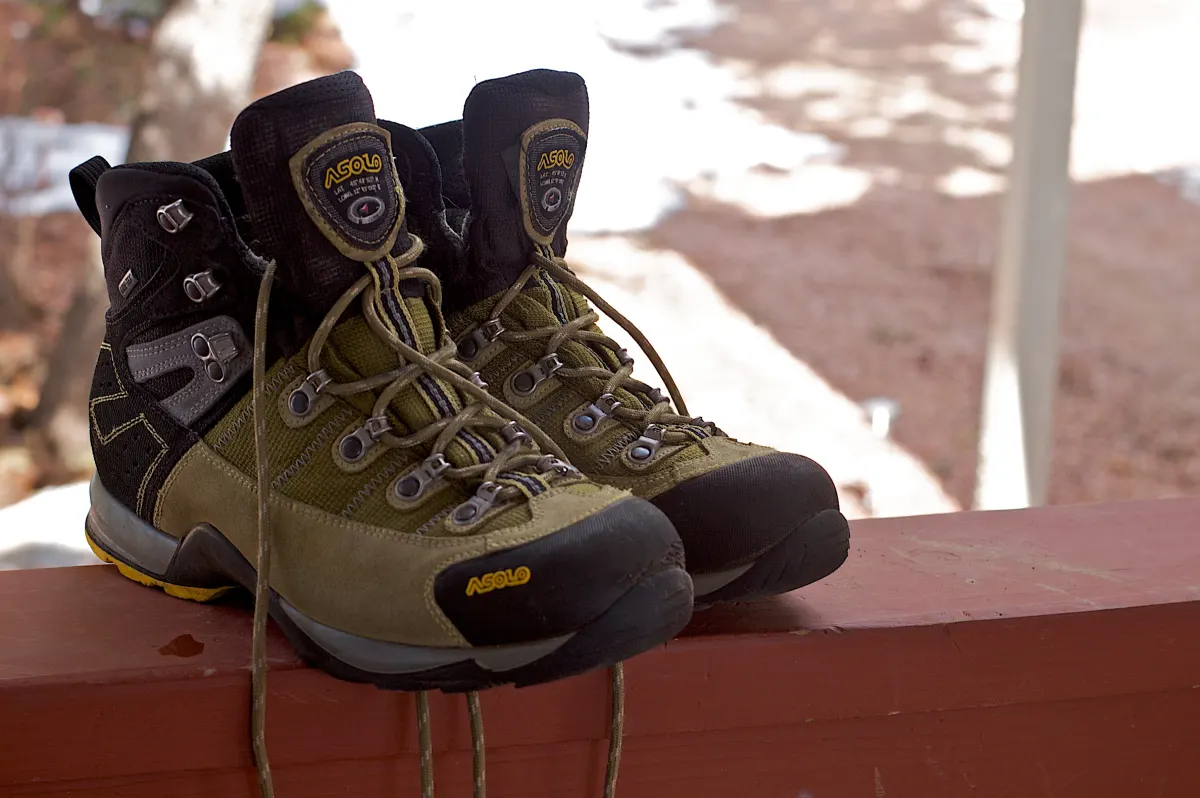
- Sturdy boots or shoes with good tread. Jandals and slides aren't suitable for most tracks.
Gear to take
The Mountain Safety Council's list for any tramp:
- A backpack with a waterproof liner
- Food and water for the whole trip, plus an emergency meal
- A torch or headtorch, sun protection and a whistle
- An emergency shelter, a first aid kit and your medicines
- A map of your route
- A distress beacon or other way to call for help
For overnight trips add a sleeping bag, a stove, fuel, a pot and utensils, a tent if you're camping, and your hut or campsite booking.
Water: when it's safe to drink
Tap water in towns is treated and safe. In the backcountry, water is not treated. Hut water comes from rainwater tanks or streams, and DOC's signs say so. Giardia and other bugs can be in even clear, fast mountain streams, and you can't tell by looking.
- DOC's advice is to boil water for 3 minutes if you're unsure of it, or treat it with a filter or tablets.
- Most trampers need about 2 litres a day, more in heat. Boil water the night before so it's cool in the morning.
Staying in DOC huts
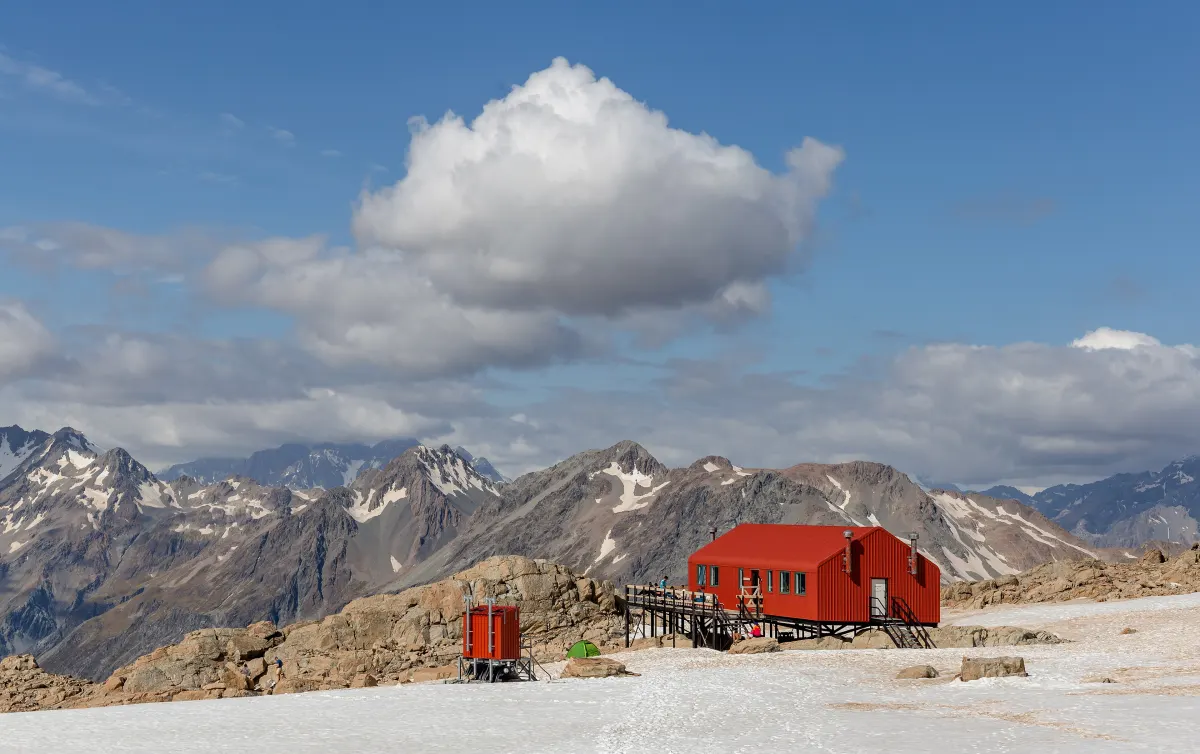
Find huts on DOC's map of huts, tracks and campsites.
- Booking: Great Walk huts and some popular backcountry huts must be booked online with DOC, and the Great Walks sell out months ahead. Most other huts can't be booked: you pay for a hut ticket (a standard hut is $15 a person a night) or buy a Backcountry Hut Pass, and take a bunk on a first-come basis. Carry a tent in case it's full.
- Fill in the intentions book when you arrive: it helps search and rescue find you.
- Make room for late arrivals, keep quiet when others are sleeping, and leave muddy boots outside.
- Leave it as you'd like to find it: sweep out, replace any firewood you used, close the doors and windows, and carry out all your rubbish.
- No smoking, vaping or dogs. Open a window when cooking on gas.
Beacons: hire one
There's no phone coverage on most tracks. A personal locator beacon (PLB) calls rescuers to where you are, and in New Zealand the rescue is free. You can hire one at DOC visitor centres in places like Aoraki/Mount Cook, Arthur's Pass, Nelson Lakes, Queenstown, Wānaka, Franz Josef and Stewart Island, and from outdoor shops, for about NZ$10 to $20 a day or $30 to $40 a week. Register it in your name if you can, carry it on you, not deep in your pack, and set it off only in a real emergency.
Learn from the tramping clubs
New Zealand's tramping clubs run trips and courses for newcomers, and their national body, Federated Mountain Clubs, publishes the handbook Safety in the Mountains. A club trip or a river safety or navigation course is a good way to start before going into the mountains on your own.
See also Walking and tramping safely in New Zealand, weather, seasons and what to pack and health and travel insurance.


Comments