
Food and drink in Indonesia: what to try, warungs, nasi Padang, sambal and coffee
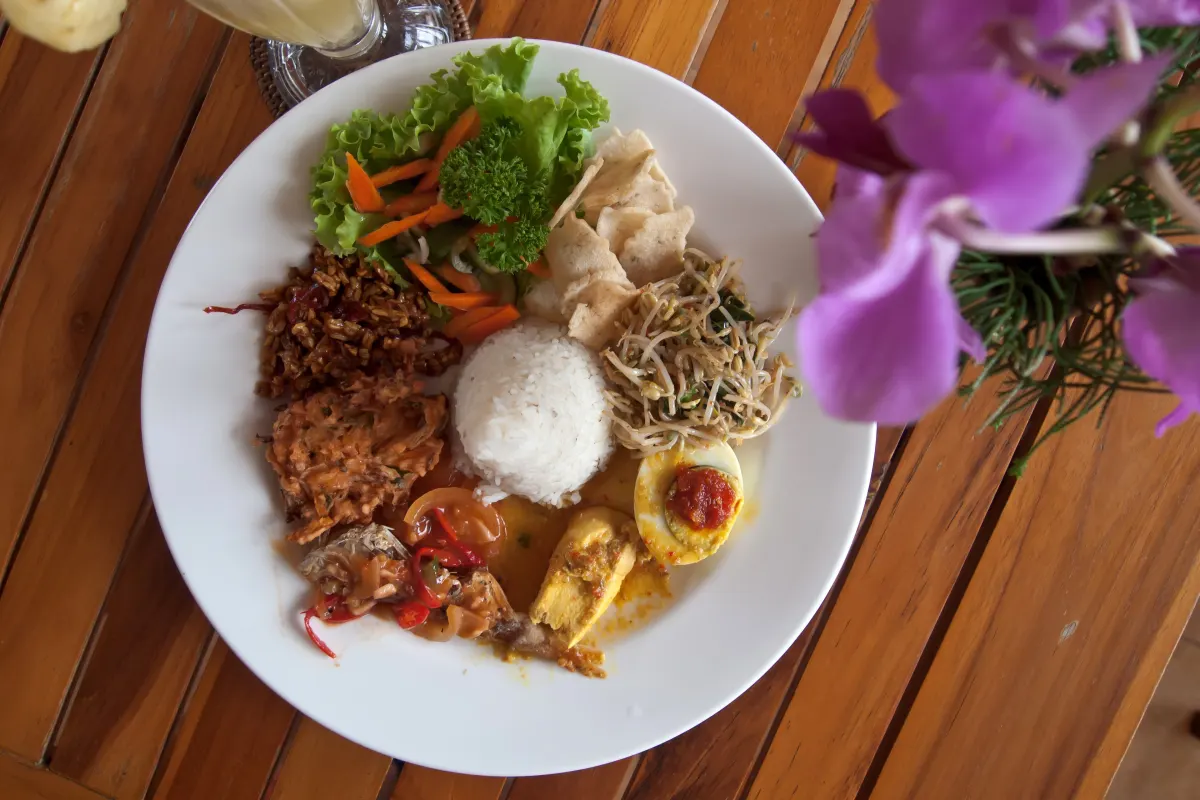
Indonesian food is varied, cheap and often spicy, with different dishes on every island. The best places to eat are often the simplest: a warung, a small family restaurant, or a cart in the street. Bali and the cities also have every kind of international food.
Where to eat
- Warungs: small local eateries, often open-fronted, serving a few dishes. Cheap and good.
- Padang restaurants: from West Sumatra, but found all over Indonesia, with dishes stacked in the window. Either you choose at the counter, or the waiter puts lots of small plates on your table and you pay only for what you eat. See nasi Padang.
- Street carts and night markets: satay, fried snacks, bakso (meatball soup) and martabak (stuffed pancakes, sweet or savoury).
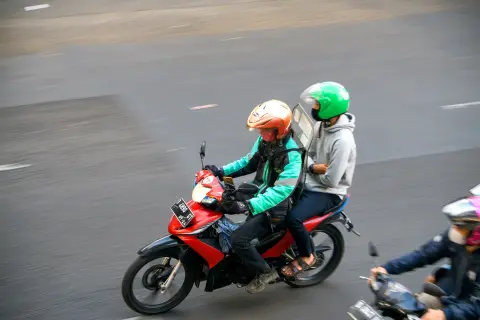
- Food delivery: GoFood and GrabFood, in the Gojek and Grab apps, deliver from almost anywhere.
What to try
- Nasi goreng and mie goreng: fried rice and fried noodles, often with a fried egg on top. The national comfort food, any time of day.
- Rendang: beef slow-cooked in coconut milk and spices until almost dry, from West Sumatra.
- Sate (satay): skewers of chicken, goat or beef grilled over charcoal, with peanut or soy sauce. In Bali, try sate lilit, minced fish or pork wrapped round lemongrass.
- Gado-gado: vegetables, tofu, tempeh and egg with peanut sauce. Good for vegetarians.
- Nasi campur: rice with a little of several dishes. Every warung has its own version.
- Tempeh: fermented soybean cake, invented in Java, fried crisp or cooked in sweet soy sauce.
- Soto: spiced soups, different in every region, such as soto ayam (chicken).
- In Bali: babi guling (spit-roast pork, a Balinese Hindu dish) and bebek betutu (duck slow-cooked in spices).
- In Yogyakarta: gudeg, young jackfruit stewed in palm sugar and coconut milk, sweet and rich.
- In East Java: rawon, a black beef soup coloured with keluak nuts.
- In Lombok: ayam taliwang (fiery grilled chicken) and plecing kangkung (water spinach with chilli sauce). Lombok is also the Javanese word for chilli.
- Sweet things: pisang goreng (fried banana), klepon (rice cake balls with liquid palm sugar inside), and es campur, shaved ice with fruit and jellies.
- Fruit: mangosteen, rambutan, snakefruit (salak), and durian, if you dare. Many hotels ban durian because of the smell.
Sambal and spice
- Sambal, chilli sauce, comes with almost everything, and there are hundreds of kinds. The dish itself is often mild, and you add sambal to taste.
- To ask for less heat, say tidak pedas (not spicy) or sedikit pedas (a little spicy).
Eating customs
- Indonesians usually eat with a spoon and fork (spoon in the right hand), or with the right hand. Don't eat, or pass things, with your left hand.
- Most food is halal, except in Bali and in Christian areas, where pork is common. In Muslim areas, ask before assuming there's pork or alcohol.
- Vegetarians do well: tofu, tempeh and vegetable dishes are everywhere. But dishes often contain shrimp paste (terasi) or fish sauce; ask for tanpa terasi (without shrimp paste).
- During Ramadan, see Laws visitors need to know.
Drinks
- Coffee: Indonesia is one of the world's great coffee producers, from Sumatra, Java, Bali, Flores, Toraja and more. Kopi tubruk is coffee with the grounds in the cup: let them settle. Kopi luwak, made from beans eaten and passed by civet cats, is mostly produced from caged animals, so many people avoid it.
- Tea: es teh manis, sweet iced tea, is the default drink everywhere. Ask for tidak manis if you don't want sugar.
- Jamu: herbal tonics made from turmeric, ginger and other roots, sold from bottles and in cafés.
- Fresh juice (jus) and young coconuts are everywhere.
- Beer: Bintang is the national beer. Wine is expensive, because of high taxes. Be careful with spirits and cocktails: see Health and safety about methanol.
- Don't drink tap water: drink bottled or filtered water.





Comments
No comments yet.