
Health in the Netherlands: doctors, hospitals, insurance, medicines, ticks and West Nile virus
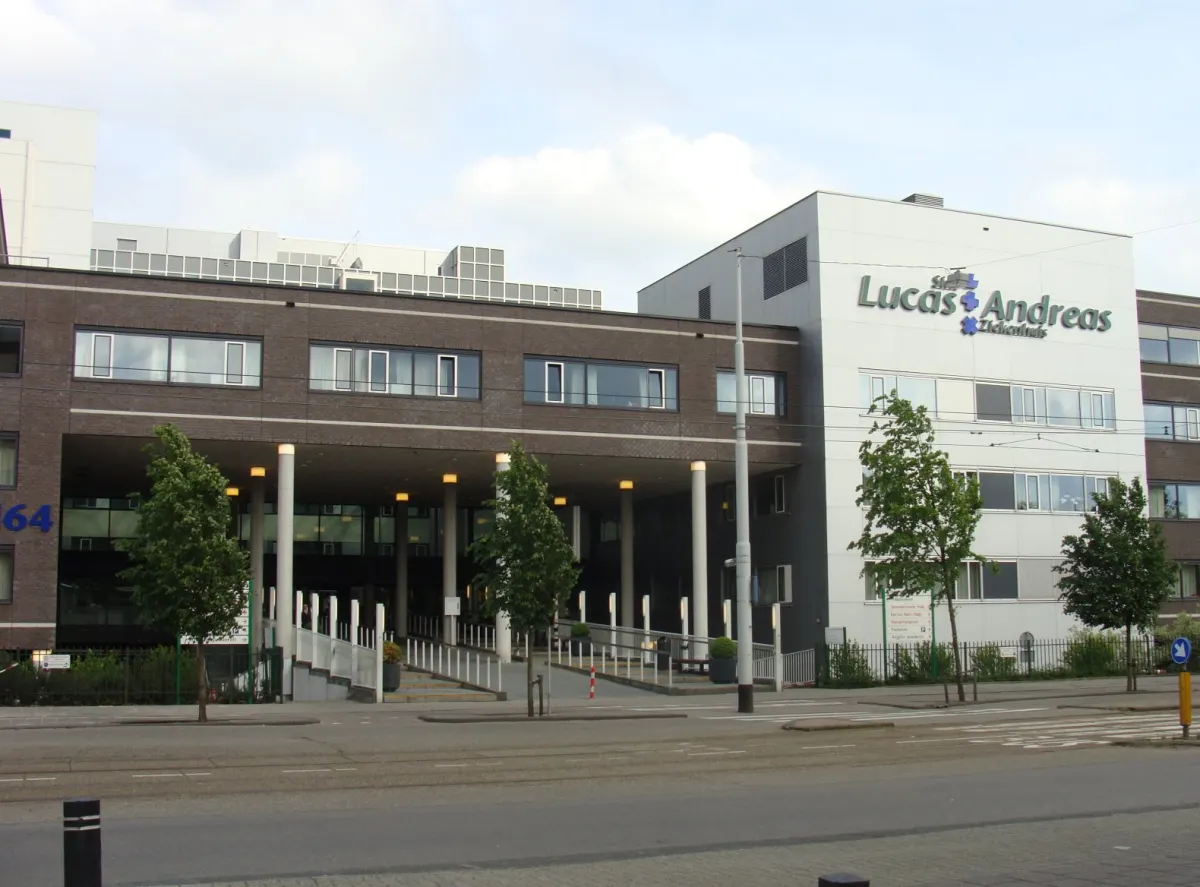
Care is excellent and nearly all in English. The system surprises visitors: everything goes through a family doctor, hospitals turn away those who could have seen one, and the answer is often "take a paracetamol and wait".
Insurance
- Bring a European (EHIC) or UK (GHIC) card if you can have one. It covers necessary state care, but not private clinics, getting you home or your lost holiday.
- Everybody needs travel insurance. Without either card you pay, usually at once: about €60 to €150 or more to see a doctor, and hundreds for an emergency department.
Who to call
- 112: danger to life.
- By day: a huisarts (family doctor) near you. Ask your hotel. Ring first. Many won't take visitors, but big cities have tourist doctors: in Amsterdam +31 20 427 5011, or TouristDoc +31 20 262 4282, who come to your hotel, for a fee.
- Evenings, nights and weekends: the huisartsenpost (or spoedpost), the out-of-hours doctors. Always ring before you go. The number is on every doctor's answering machine.
- Hospital emergency department (spoedeisende hulp): for serious things. You may be sent back to the huisartsenpost, or charged more.
- Dentist: in Amsterdam a clinic called Dental365 is open every day until late.
- Sexual health: the city health service, GGD. Emergency contraception is sold without a prescription.
Pharmacies and chemists
- An apotheek has prescription medicines, weekdays to about 5:30. At other times one per district is on duty (dienstapotheek), and adds a charge.
- A drogist, such as Kruidvat, Etos or DA, sells paracetamol, plasters, hay fever tablets and tampons, cheaply.
- Antibiotics need a prescription, and doctors give few.
Bringing medicines
- Keep them in their boxes, with a copy of the prescription.
- For strong painkillers, ADHD medicines, some sleeping pills and medicinal cannabis, you need a certificate from your own health authority: a Schengen one if you live there, otherwise a doctor's letter that's been legalised. Start weeks before. The Dutch office is the CAK.
Ticks
- They live in woods, dunes, long grass and town parks, from about March to November. A June 2026 heatwave brought a record number of bites. Two or three in a hundred lead to Lyme disease.
- Wear long trousers, and check yourself the same evening: knees, groin, armpits, hairline. Pull a tick straight out with tweezers or a tick card, and write down the date.
- See a doctor if a ring or red patch spreads, or you have a fever, within three months.
- Tick-borne encephalitis is here but very rare, one or two people a year. The Dutch health institute doesn't advise vaccination.
West Nile virus
- 2026 brought the country's first big outbreak. By 19 November 81 people were known to have caught it and 13 had died, most of them infected in South Holland (47) and Utrecht (15). Many more will have had it without knowing.
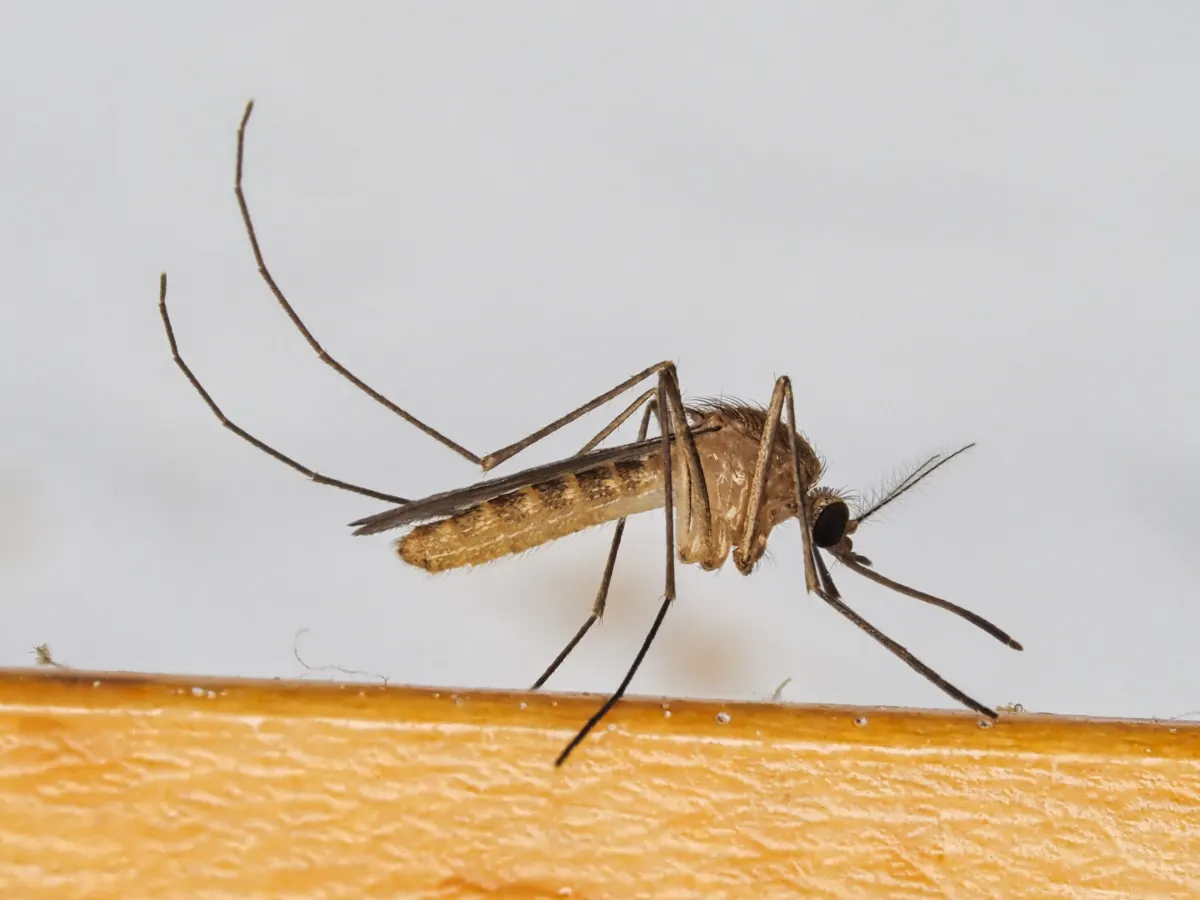
- It's spread by ordinary house mosquitoes, mostly from July to October. Most people feel nothing. Some have a fever, and a few, mainly the old or those with weak immunity, inflammation of the brain. There's no vaccine.
- In late summer use repellent with DEET or icaridin at dusk and at night, long sleeves, and a net or a screen. Look at the health institute's page before a summer trip. Tell a doctor where you've been if you fall ill.
Other things
- Tap water is excellent. Food is safe, raw herring too, as it's been frozen.
- Swimming lakes get blue-green algae in warm weather: look at zwemwater.nl, and don't let dogs drink.
- Oak processionary caterpillars, May to July: their hairs make you itch for days. Keep away from trees with tape or a sign, and don't sit beneath oaks in June.
- Hay fever is bad from birch in April and grass in May and June.
- Vaccinations: the usual ones. Measles has been spreading, so be sure of yours.
- For cannabis trouble see Drugs.
Natural features
Zuid-Kennemerland National Park
North Holland
Dunes, forest and lakes between Haarlem and the North Sea, where European bison, Scottish Highland cattle and Konik horses roam.

Attractions
Kröller-Müller Museum and Hoge Veluwe National Park
Otterlo, Gelderland
A national park of heath, forest and drifting sand dunes, with deer and wild boar, where you can borrow one of the free white bicycles at the entranc…
Comments