
Dutch culture and manners: directness, greetings, birthdays, bikes, quiet, King's Day and Remembrance Day
The Dutch are easy to get on with: open, humorous, and fluent in English. They're also direct. "That's a bad idea" means just that, and no offence. You may be equally plain.
Meeting people
- Shake hands and say your name. Friends of any sex may kiss three times on the cheek, starting right, but fewer do than before.
- First names come at once. Titles impress nobody, and neither does money: doe maar gewoon, "just act normal, that's crazy enough".
- Be on time, and make an appointment, even with friends. Don't drop in at dinner time: you may be asked to come back later, or wait in the next room.
- At a birthday you congratulate everyone in the room on it, the mother, the neighbour and all. Chairs stand in a circle. You're given cake.
- If invited home bring flowers, an odd number, and ask whether to take off your shoes.
Everyday manners
- Splitting the bill to the cent is normal, by a payment request on the phone. If somebody says "I'll treat", they'll say so clearly.
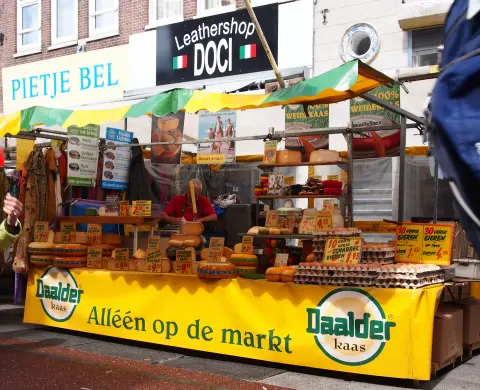
- Queues: at a baker's or a market stall, notice who was there first, or take a number.
- Don't stand, or walk, on the red bike path. It's the commonest mistake visitors make. If you hear a bell, jump to the pavement side, and don't dither.
- Stand on the right on escalators, and let people off the train first.
- Keep quiet in a Stilte carriage, and in residential streets after 10 or 11 pm. Wheeled cases on cobbles at 5 am make enemies.
- People leave their curtains open. It's not an invitation to look in, or to photograph the cat.
- Public toilets cost 50 cents to €1. Carry a card.
Photos
- Never photograph the women in the windows of the Red Light District.
- Don't sit on other people's steps in the Jordaan, or on houseboats' gangways, for a picture. They're homes.
- In the bulb fields stay on the path.
- Drones need registration, and may not fly over towns, crowds, near airports or in most nature reserves.
Language
- Dank je wel (thank you), alsjeblieft (please, here you are), goedemorgen, doei (bye, sung on two notes). They'll answer in English.
- In Friesland people speak Frisian, a language of its own, and signs are in both.
- The country is the Netherlands. Holland is only its western part: say so in Maastricht or Groningen and you may be put right.
- Gezellig means cosy, sociable and pleasant. It's the highest praise for an evening.
Tolerance, and its limits
- In 2001 this was the first country to allow same-sex marriage. Amsterdam Pride, at the end of July and in early August, fills the canals. There's still harassment, even in Amsterdam: report it.
- Religion is private. About half the people have none. In the Protestant Bible Belt, from Zeeland to Overijssel, Sunday is for church: don't mow, shop or wash a car in Staphorst, or photograph people in traditional dress.
- Colonialism and slavery, immigration and farming are lively subjects. Listen first.
Days to know
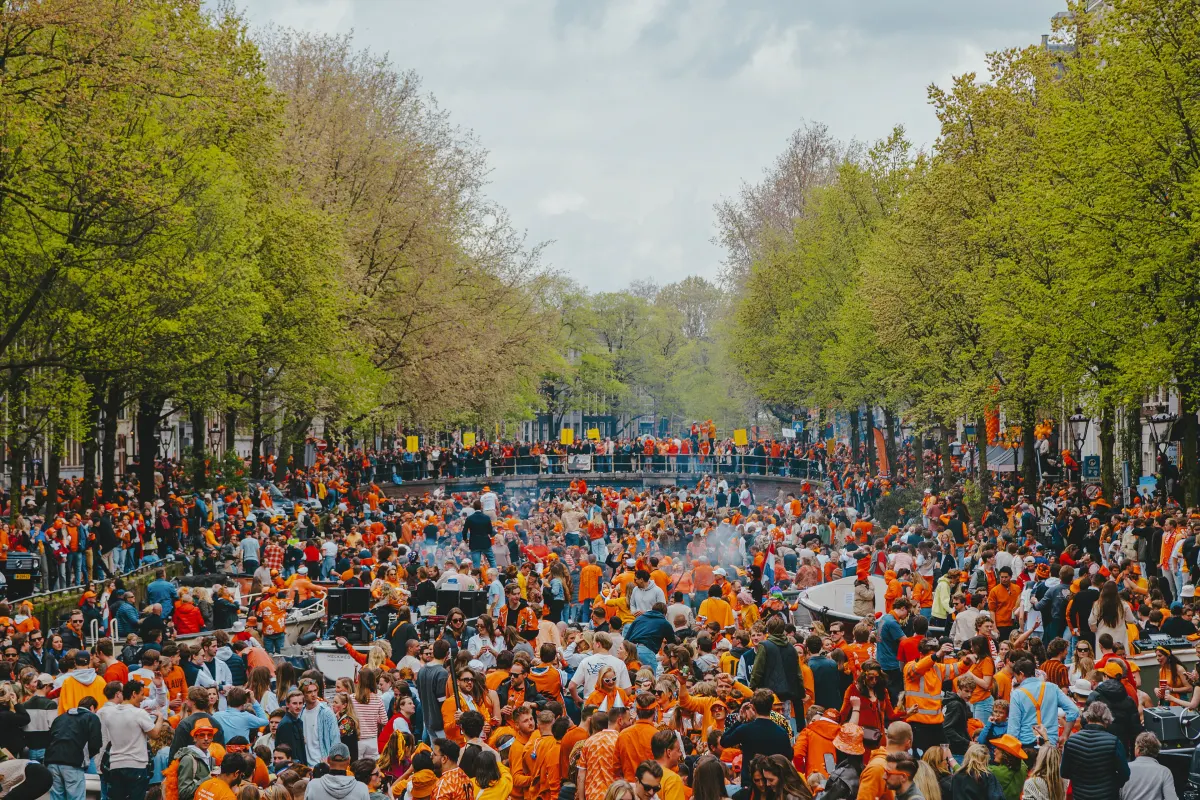
- King's Day, 27 April (a Tuesday in 2027): orange clothes, boats and parties, and the whole country selling its attic on the pavement. Trains are packed, and Amsterdam bans alcohol sales in shops for the day.
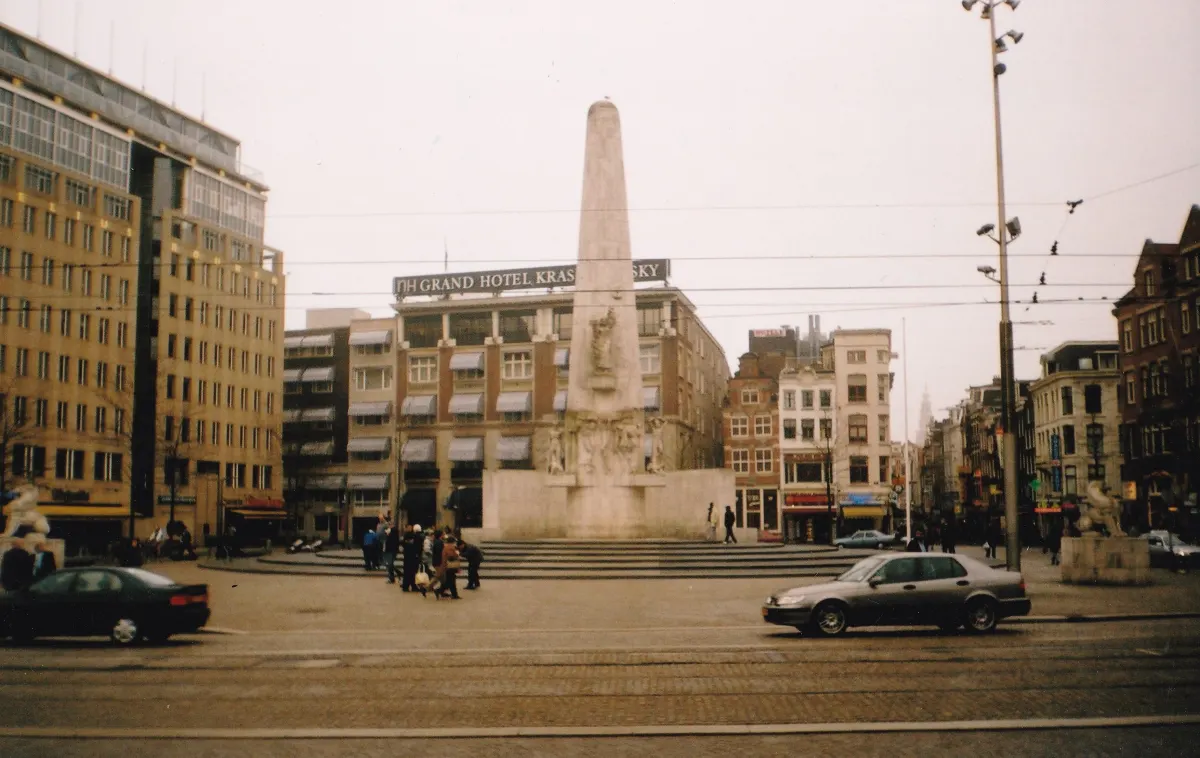
- Remembrance Day, 4 May: at 8 pm everything stops for two minutes' silence for the dead of the Second World War. Trains, cars and bars too. Stand still and say nothing.
- Liberation Day, 5 May: free festivals in every province.
- Carnival, 7 to 9 February in 2027: in the Catholic south, in Den Bosch, Breda and Maastricht. Wear a costume. The rest of the country goes on working.
- Sinterklaas arrives by boat in mid-November and brings presents on 5 December. His helpers used to have blackened faces. Most towns have given that up, after years of argument.
- New Year's Eve: see When to go for the new firework ban.
Saunas
Dutch saunas and spas are naked and mixed, and nobody looks. Most have a swimwear day each week. Read the website first. Phones stay in the locker.

Historic sites
Anne Frank House, Amsterdam
Amsterdam, North Holland
The canal house where Anne Frank and her family hid from the Nazis for two years in a secret annex behind a moving bookcase, until they were betrayed…
Towns and cities
Utrecht
Utrecht
A lively student city with canals unique for their wharves at water level, now cafés.

Comments