
Health in South Africa: malaria areas, vaccinations, TB, rabies in seals, hospitals and medicines
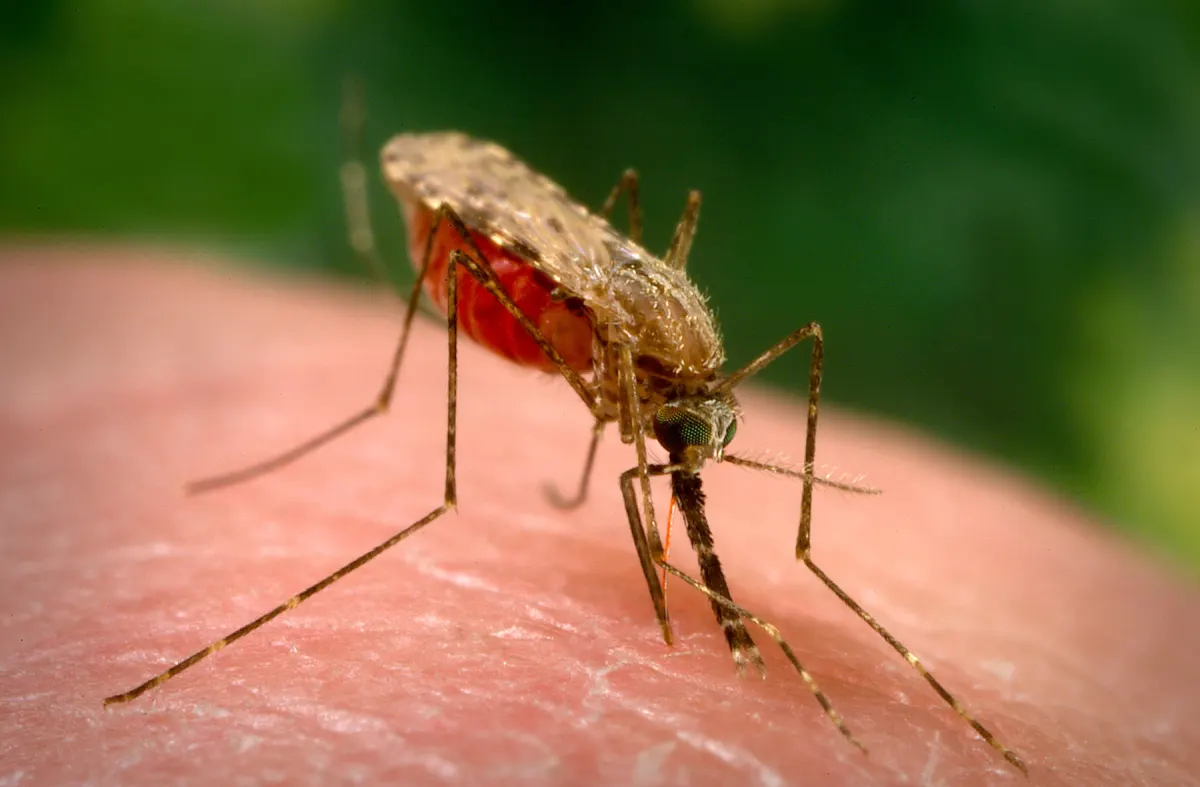
South Africa has excellent private hospitals and few tropical diseases in the places most people go. The main things to plan for are malaria in the north-east, the sun, and good insurance. See a travel clinic at least four to six weeks before, longer if you can. This isn't medical advice.
Vaccinations
- Be up to date with your routine jabs, including measles, diphtheria, tetanus and polio.
- Hepatitis A is recommended for most visitors. Typhoid is recommended by the UK for most people; US advice is for country areas, for seeing friends and relatives and for longer stays. Hepatitis B for some.
- Rabies vaccination for long stays, remote places, running or cycling, work with animals, and for watersports on the Cape coast (see below).
- Yellow fever: not needed for South Africa itself, but you must show a certificate if you come from a country that has it, or spent more than 12 hours in transit in one. See Arriving.
Malaria
- It's found in low-lying Mpumalanga and Limpopo, including Kruger, near Mozambique, Eswatini and Zimbabwe, and in the far north-east of KwaZulu-Natal. It's mainly there from September to May.
- UK advice for Kruger and the lowveld is to take tablets from September to May. From June to August, take care with bites. In north-east KwaZulu-Natal, the UK says bite avoidance only; the US CDC recommends tablets in uMkhanyakude district, which includes most of iSimangaliso. Ask a clinic about your own route.
- There's no malaria in Cape Town, the Garden Route, Johannesburg, Durban, the Drakensberg, Addo, Pilanesberg or Madikwe.
- Wherever it occurs: repellent, long sleeves from dusk to dawn, a net or air conditioning. A fever up to a year later needs an urgent test.
- Pregnant women, babies and people without a spleen need special advice, and may want a malaria-free park: see Safari.
Water and food
- See Water for whether to drink from the tap. If in doubt, boil it or buy bottled.
- Cholera has been found in South Africa, mainly in rural and poorer areas. The US CDC said in August 2026 it wasn't spreading. The risk for most visitors is low.
- Choose busy places, and wash your hands.
In the water and the bush
- Bilharzia (schistosomiasis): avoid swimming or wading in rivers, lakes and dams in the north and east, above all KwaZulu-Natal, Mpumalanga and Limpopo. Many of these also have crocodiles and hippos.
- Tick-bite fever: long trousers in long grass, and check yourself. A dark scab and a fever a week later is the sign, and antibiotics cure it.
- Snakes: wear shoes, use a torch at night, look where you put your hands. If bitten, keep still and get to hospital. Don't cut or suck.
- Bees, jellyfish and bluebottles can also sting: rinse a bluebottle sting in sea water and ask the lifeguards.
Rabies, and seals
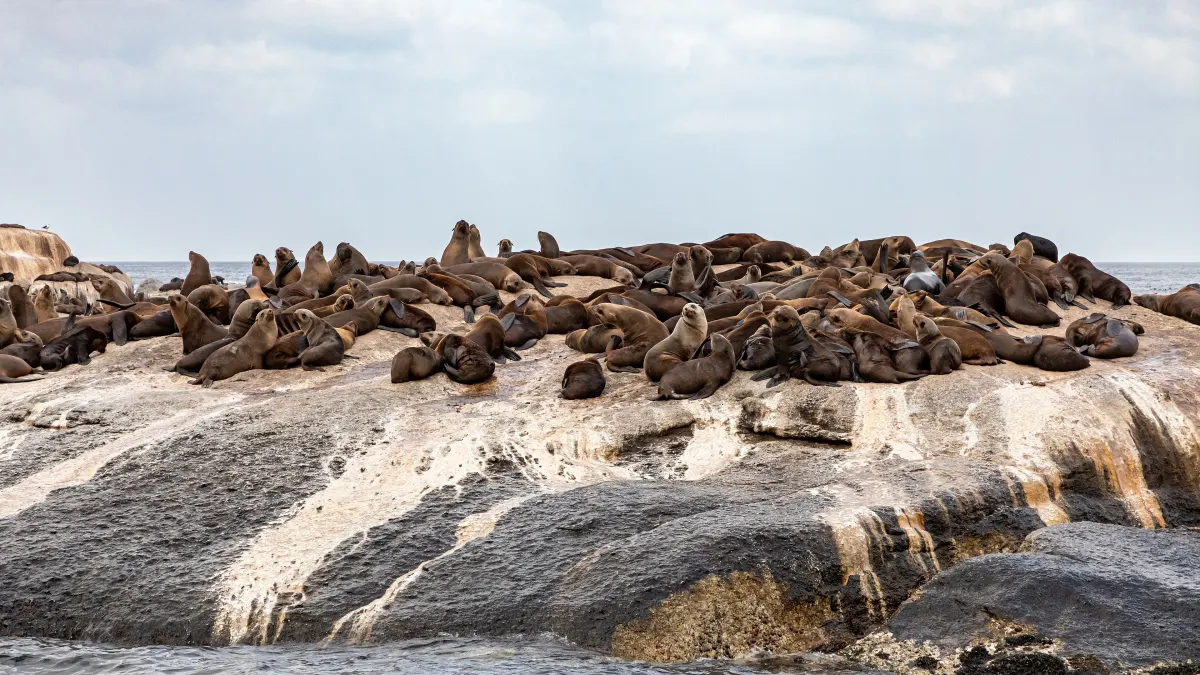
- Dogs and other animals carry rabies. Since 2024 it has also been established in Cape fur seals along the Western Cape, Northern Cape and Eastern Cape coast, as far as Algoa Bay (Gqeberha). Keep well away from seals, on land and in the sea, including the ones that lie about in harbours.
- Any bite, scratch or lick on broken skin: wash it for 15 minutes and go to a doctor the same day, for vaccine and immunoglobulin.
TB, HIV and others
- South Africa has a high rate of tuberculosis. The risk for tourists is low; it rises with long stays and work in hospitals or prisons.
- HIV is common. Use condoms. After an assault or other exposure, PEP should be started within 72 hours: go to a hospital.
- Mpox and chikungunya have been reported. Avoid mosquito bites by day too.
Sun, heat and height
- The sun is fierce, even on cool days. Hat, high-factor sunscreen, water, and shade at midday.
- Johannesburg is at about 1,750 m: you may be breathless and dehydrated for a day or two, and the beer goes to your head. The high Drakensberg and the Sani Pass are at 2,900 m or so: take it slowly.
Hospitals and medicines
- Private hospitals (Netcare, Mediclinic, Life and others) are very good, and want proof of insurance or a deposit. Public ones are crowded. Make sure your insurance covers private care and evacuation from remote places.
- Emergencies: 112 from a mobile, or 10177 for an ambulance. Private ambulances are often faster; your insurer may choose.
- Pharmacies such as Clicks and Dis-Chem are well stocked, and many have a clinic. Bring your own medicines in their boxes, with a prescription: see Arriving. Some medicines are scarce here at times.


Comments