
Heat and health in Kuwait: extreme summers, dust, water, hospitals and insurance
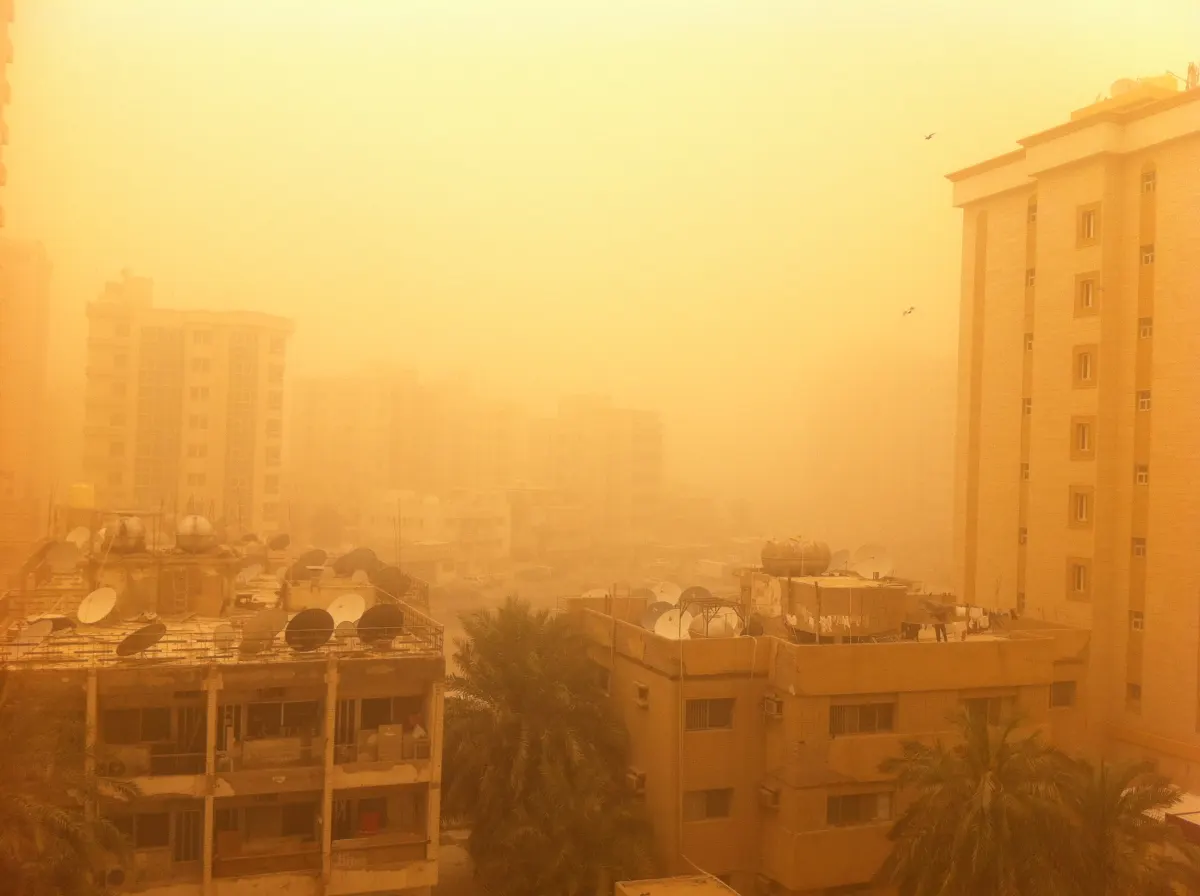
Summer heat in Kuwait is dangerous, not just uncomfortable: it has reached nearly 54°C. Plan your day around it, and arrange insurance before you travel.
Coping with the heat
- Stay indoors from about 10am to 5pm from May to September. Walk early or after dark.
- Drink before you're thirsty, with rehydration salts or something salty. Carry more water than you think you need, even for a short drive.
- Wear a hat, sunglasses, sunscreen and loose long sleeves. Seat belts, door handles and sand can burn you.
- In a breakdown, stay in the shade of the car and call for help. Don't set out walking.
- Never leave a child or an animal in a parked car.
- In heavy demand the electricity can be cut, and power and water plants have been attacked this year. Keep bottled water in your room and know where there's another cool place.
- Heat exhaustion: headache, dizziness, sickness, cramps, cold sweaty skin. Get into the cool, lie down, sip water. Heatstroke: confusion, very hot skin, a fit, collapse. Call 112 and cool the person with water, wet cloths and a fan until help comes.
Dust and dirty air
- Dust storms come all year, most from May to August. Stay in, shut the windows, turn off fresh-air vents, and wear a tight mask if you must go out. Flights and roads are affected.
- Air pollution often reaches dangerous levels, and smoke from attacks on oil plants makes it worse. Check an air-quality app. People with asthma, heart or lung disease should bring extra medicine and talk to a doctor before they go.
Water, food and illness
- Tap water is desalinated. Locals mostly filter it, and Germany advises not drinking it: buy bottled water, which is cheap.
- Check routine vaccinations, measles above all, and hepatitis A. Ask a travel clinic about hepatitis B, typhoid and rabies, six to eight weeks before you go.
- MERS, a serious virus from camels, has occurred here. Keep away from camels and raw camel milk or meat.
- Tell a doctor at home about any fever after your trip.
- Swim at pools and clubs rather than in the bay near outfalls, and watch for jellyfish and stingrays.
Doctors and hospitals
- Call 112 for an ambulance. Germany says the state ambulances take people only to public hospitals.
- Canada says visitors can use only private hospitals and clinics. They're modern and dear, and often want payment at once. Psychiatric care is limited.
- Australia says a married woman may be asked for her husband's permission for some procedures. Pregnant women who aren't married should talk to their embassy before they see a doctor.
- Pharmacies are plentiful, but some medicines are kept for Kuwaiti citizens. Bring enough of your own with the certificate that controlled medicines need: see Arriving in Kuwait.
Insurance
- You need cover for hospital bills and medical evacuation. Don't rely on the insurance you pay for with the visa.
- Many policies don't pay where governments advise against travel, or for anything caused by war. Ask in writing. See Is it safe to visit Kuwait now?
See also weather.

Comments