
Diving, snorkelling and whales in Timor-Leste: Atauro, the north coast, seasons and safety
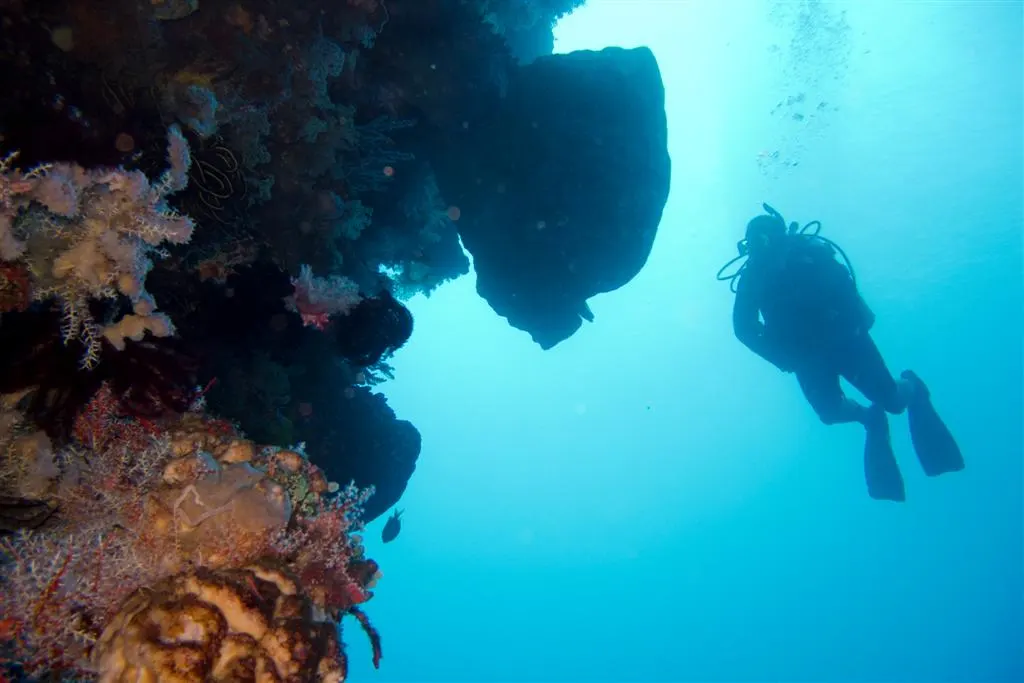
Timor-Leste is in the Coral Triangle, and its reefs are among the richest on earth: a 2016 survey counted an average of 253 reef fish species per site around Atauro, among the highest ever recorded. There are hardly any crowds, and you can often get in from the beach.
Where to dive
- Atauro: steep walls, coral gardens and big fish, about 30 km north of Dili. Several dive lodges and a community tourism association have boats, guides and rooms at Beloi and on the beaches around it. See Atauro Island.
- Dili and the north coast: easy shore dives 20 minutes to an hour from the city, good for tiny creatures such as nudibranchs, frogfish and pygmy seahorses. Tasi Tolu and the area around Cristo Rei are well known.
- The far east: the reefs around Jaco are beautiful, but it's remote, with few facilities. See Nino Konis Santana National Park.
- The tourism ministry lists dive operators in Dili and on Atauro, with PADI, SDI and freediving courses. Visibility is often over 30 m in the dry season.

Atauro Island, Timor-Leste
An island north of Dili with some of the most biodiverse reefs in the world for snorkelling and diving.
Snorkelling
On Atauro, the reef starts a few metres off the beach at Beloi and elsewhere. Wear a rash vest and reef shoes, don't stand on coral, and don't chase or touch turtles. On the main island, check with local people first because of crocodiles, and have a guide.
Whales and dolphins
- Deep water between the islands makes this one of the best places in Southeast Asia to see whales. Blue whales and sperm whales pass through the Ombai and Wetar straits from around October to December, some operators say from September.
- Spinner dolphins are seen all year on the north coast.
- You can watch from the shore on Atauro, or go out by boat from Dili or Atauro. Some trips offer swimming with whales. Pick an operator that follows the official guidelines, keeps its distance, doesn't chase, and gives the whales a way out. Never get in the water with whales or dolphins without a trained guide.
Seasons
- May to November is the dry season and best for visibility. The trade winds blow from about June to September, making the crossing to Atauro rougher.
- December to April brings rain, run-off and rougher seas. Some dives and ferries are cancelled. May, October and November are usually good months.
Diving safely
- There's no hyperbaric chamber in Timor-Leste. The nearest is in Darwin, and you'd need an evacuation to reach it. Dive conservatively, do safety stops, keep well within your limits, drink water, and don't dive if you're unwell. Get a medical if you haven't dived for a while.
- Check that your travel insurance covers diving and evacuation, and consider joining DAN.
- Currents can be strong, especially in the straits and off Atauro. Listen to the briefing, stay with your guide, and carry a surface marker.
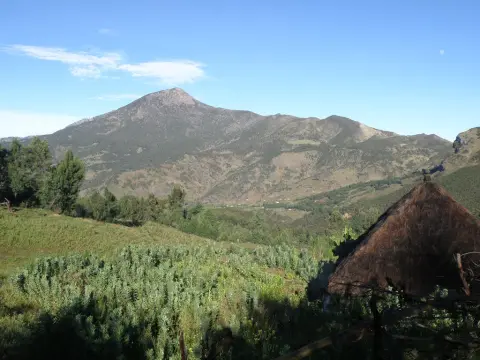
- Wait at least 18 to 24 hours after your last dive before flying, or before driving up into the mountains: Maubisse is at about 1,400 m and Mount Ramelau is nearly 3,000 m.
- Ask which beaches have crocodiles before any shore dive on the main island.
- Look at the boat: it should carry oxygen, a radio or phone, and life jackets, and not be overloaded.
Looking after the reef
Local communities protect parts of the reef by tara bandu, a customary ban on fishing or anchoring. Follow the rules, ask about fees or contributions, and stay in homestays and community lodges so that the money reaches the villages.

Comments
No comments yet.