
Money and phones in Timor-Leste: US dollars, centavo coins, ATMs, cards and SIM cards
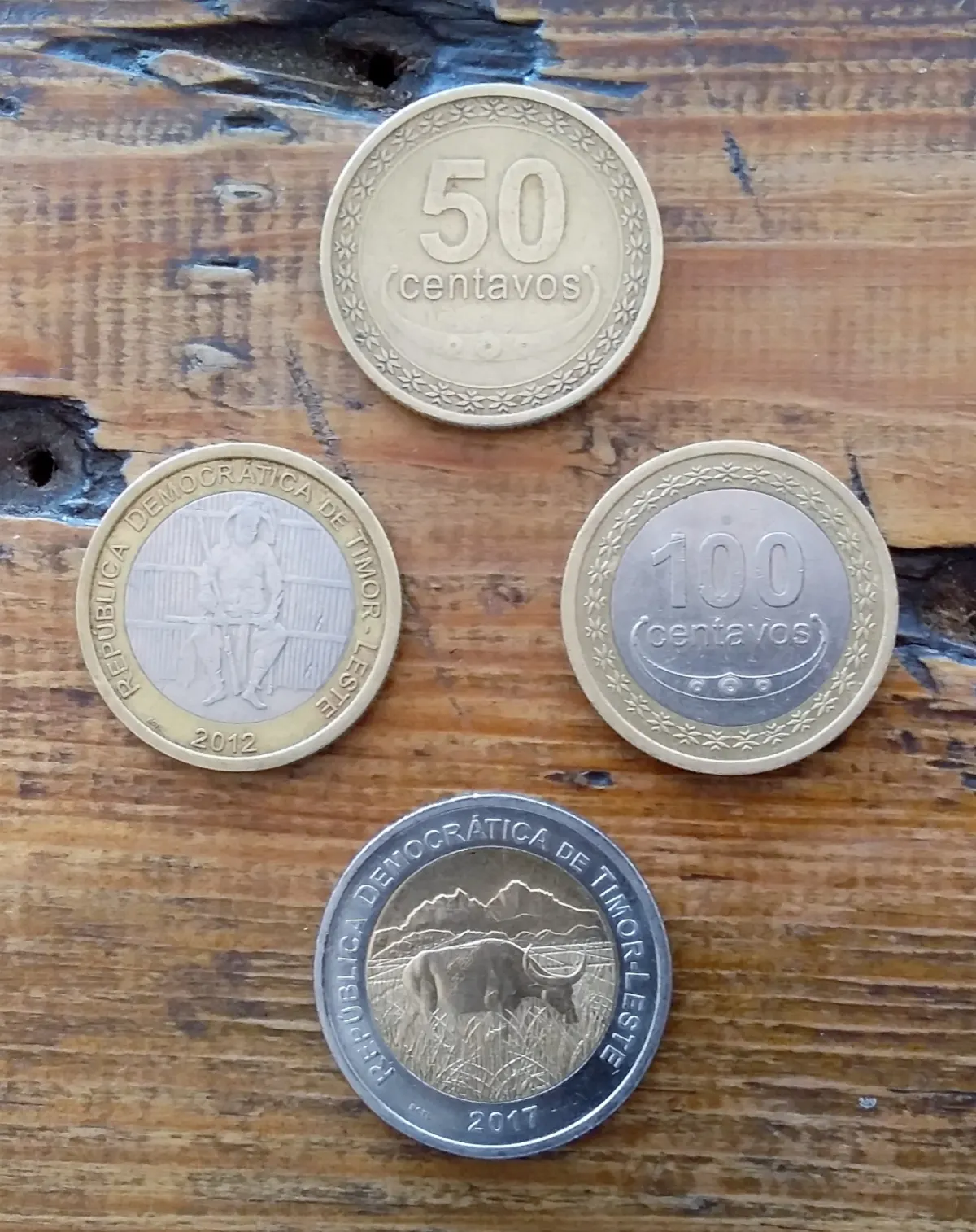
Timor-Leste uses the US dollar, with its own coins for small change. It's a cash country: cards work in few places, and once you leave Dili you should have all the cash you need with you.
Notes and coins
- The notes are US dollar notes, and there's no Timorese banknote. Small change comes in centavos, one centavo being a US cent. The coins are 1, 5, 10, 25 and 50 centavos, and 100 and 200 centavos (one and two dollars).
- US coins are hardly ever accepted, and the tourism ministry says US$1 notes aren't taken. Bring US$5, US$10 and US$20 notes.
- Bring clean notes printed in 2009 or later. Older ones are often refused, and the older they are the less likely they are to be accepted. The Central Bank in Dili may be able to change them.
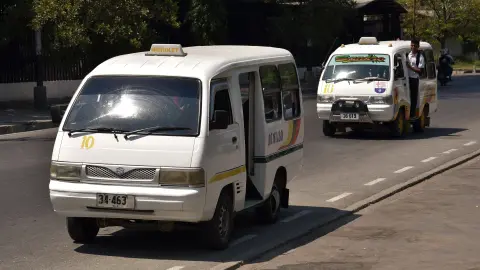
- US$50 and US$100 notes are hard to break in markets, microlets and villages. Ask for smaller notes and keep coins for microlet fares.
- Timorese coins are no use outside the country, so spend them before you leave.
ATMs and cards
- There are ATMs in Dili, at banks, and at some supermarkets and malls, and a few in larger towns. They charge high fees, and can be out of order or empty. There are none on Atauro.
- The Australian government says only Visa and UnionPay cards work in Timor-Leste. The tourism ministry says larger businesses take Mastercard too, but don't count on it. Bring a Visa card, ask your bank whether it works in the country, and tell it you're travelling.
- Larger hotels, some supermarkets and some restaurants in Dili take cards. Guesthouses, markets, transport, tours and the visa on arrival need cash.
- Bring enough US dollars for your whole stay in case the machines let you down, and split them between bags. There's no currency exchange at the airport or the border posts, and it can be hard to change pounds, euros or Australian dollars anywhere.
What things cost
- Timor-Leste costs more than most of Southeast Asia, because so much is imported. Street food, markets and public transport are cheap; hotels, restaurants, car hire and diving can cost a lot more.
- Some prices in 2026: a microlet ride 25 centavos, a blue taxi across Dili US$3 to 6, a ferry to Atauro US$4 or 5, a guide on Mount Ramelau about US$20 to 25.
- Meals vary from a plate of rice and vegetables at a warung to grilled fish on the beach: see Fresh fish in Dili.
Bargaining and tipping
- Agree prices for yellow taxis, boats and drivers before you set off. You can bargain gently in markets and for tais cloth, but prices are often fair, and much of the money goes to families and weavers.
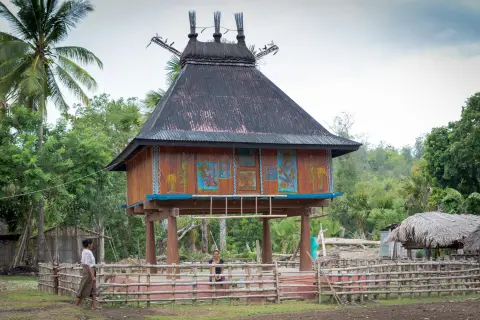
- Tipping isn't expected. It's kind to leave something for a guide or a driver who has looked after you. If you visit a village or a sacred house, take a small gift or a contribution: ask your guide what's right.
Phones and the internet
- The main networks are Telkomcel, Timor Telecom and Telemor. Buy a local SIM and credit on arrival or in Dili, with your passport.
- Coverage is fine in Dili and the towns, and patchy in the mountains, on the south coast and in the east. Download offline maps and a Tetun phrase list before you go. The free translator at translate.tetumdili.com is handy.
- Power is 220 volts, with European-style plugs (types C, E and F). Power cuts are common outside Dili, so take a power bank and a torch.
Comments
No comments yet.