
Health in Timor-Leste: rabies, dengue, hospitals, insurance and medical evacuation
Timor-Leste has basic medical care, and for anything serious you're likely to be flown to Darwin in Australia. Sort out vaccines and insurance before you go, and take care of small problems early.
Before you go
- See a doctor or travel clinic at least eight weeks ahead. Ask about hepatitis A and B, typhoid, tetanus, rabies, and, for long or rural trips, Japanese encephalitis. You need a yellow fever certificate only if you're coming from a country with a risk of it.
- Buy insurance that covers medical evacuation, and check it covers diving, hiking and riding motorbikes if you plan to do them. An evacuation can cost tens of thousands of dollars, and you may have to pay up front.
- Pack a first-aid kit, sun cream, oral rehydration salts, insect repellent with DEET or picaridin, and all the medicines you need, since few are available. Carry a doctor's letter for them.
Rabies
- Rabies is a real danger. The country had no rabies until 2024, when it appeared in Oecusse. It has since spread across the country, and the government declared a public health emergency in June 2025. It's also in West Timor.
- Don't touch dogs, cats, monkeys or bats, even friendly puppies. Walk around packs of dogs, and carry a stick or a stone as local people do.
- If you're bitten, scratched or licked on broken skin, wash the wound with soap and running water for at least 15 minutes, and get medical care the same day. Rabies is almost always fatal once symptoms start, but treatment after a bite works. Vaccine and immunoglobulin are in short supply, above all outside Dili, so you may need to fly to Darwin. If you've had the vaccine before travelling, you need fewer doses and no immunoglobulin.
Mosquitoes
- Malaria: the WHO certified Timor-Leste malaria-free in July 2025. A few governments still list a low risk and cases are uncommon, so ask your travel clinic about tablets, particularly for the border with West Timor, and see a doctor if you have a fever after your trip.
- Dengue is present all year and worse in the rainy season. There's no specific treatment. Chikungunya and Japanese encephalitis also occur.
- Use repellent from dawn to dusk as well as in the evening, wear long sleeves and trousers, and sleep under a net or in a screened, air-conditioned room. Go to a doctor for any fever, and don't take aspirin or ibuprofen for it until dengue is ruled out.
Food, water and sun
- Drink bottled, boiled or filtered water, and use it to brush your teeth outside good hotels. Peel fruit, avoid raw or undercooked food, and choose busy places.
- Roadside fish may be treated with formaldehyde, the Australian government warns. Buy it from stalls where it's cooked that evening, or from the boats.
- Typhoid, hepatitis, tuberculosis and stomach upsets are common. Take rehydration salts with you and see a doctor if you have a high fever, blood in your stools, or diarrhoea that lasts more than two days.
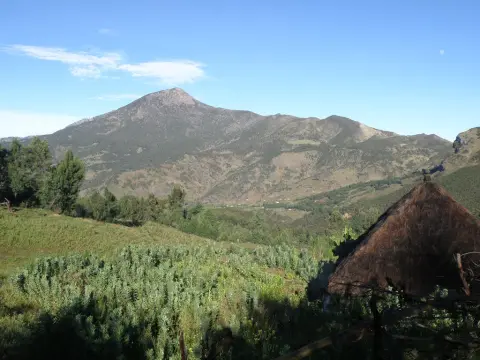
- It's hot and humid on the coast. Drink plenty, rest in the middle of the day, and use high-factor sun cream. The mountains are the opposite: nights can be near freezing on Mount Ramelau, and its summit is nearly 3,000 m, high enough for altitude sickness. Take it slowly and turn back if you feel ill.
Hospitals and clinics
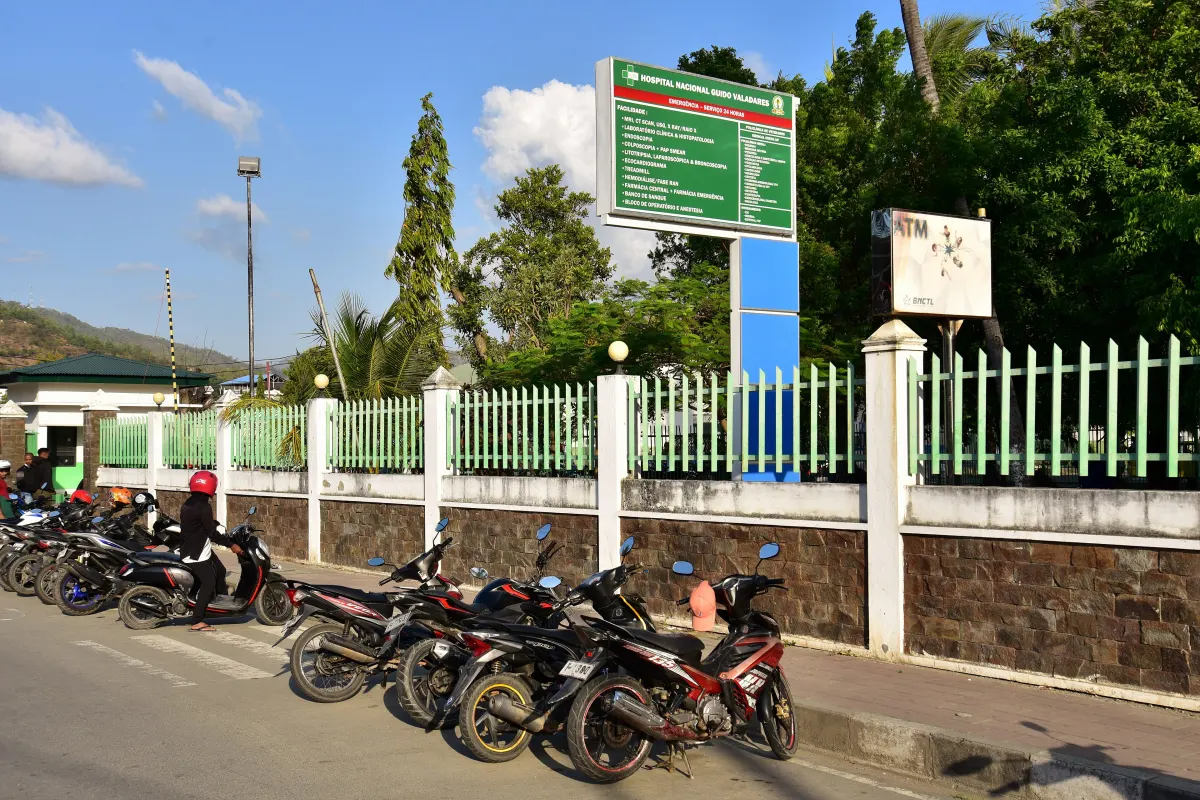
- Guido Valadares National Hospital in Dili takes most emergencies, but its facilities are limited. Private clinics in Dili include Stamford Medical Clinic, Dili Medical Centre and Flodova Clinic. Outside Dili there's very little.
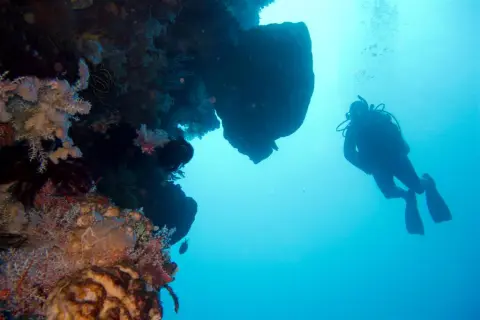
- There's no hyperbaric chamber in the country, so divers with decompression sickness must be evacuated, usually to Darwin. See Diving in Timor-Leste.
- Call your insurer's emergency number early, before you need an evacuation, and pay by card or cash for treatment as you go.
- Emergency numbers: ambulance 110, police 112, fire 115. They aren't reliable, so save your hotel's and your embassy's numbers, and don't wait for an ambulance if you can get to hospital yourself.
Comments
No comments yet.