
Safety and culture in Timor-Leste: Dili at night, protests, crocodiles, sacred places and Tetun greetings
Most people who visit Timor-Leste have no trouble at all and remember how friendly it was. But crime and limited help if things go wrong mean that Australia and Canada advise a high degree of caution, and New Zealand advises increased caution. Check your own government's advice before you go and while you're there.
Crime and Dili at night
- Violent crime against visitors isn't common, but robberies, bag snatching and break-ins happen, and the risk goes up after dark and if you're alone. Lock your room, even when you're inside, keep car doors locked and windows up, and don't show jewellery or large amounts of cash.
- Sexual harassment is common, and sexual assaults have been reported on Beach Road and around Tasi Tolu in Dili, and at the beaches by Cristo Rei, including Back Beach. Go in a group, including for a run or a swim, and avoid deserted beaches.
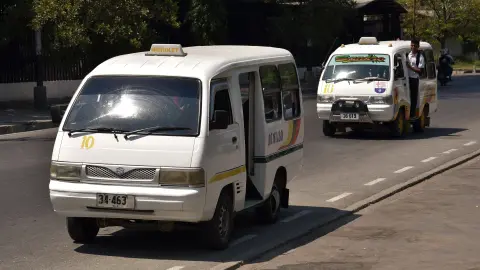
- Don't take taxis or microlets alone, especially at night. Have your hotel arrange a car. See Getting around.
- Stones are sometimes thrown at cars in the early evening and at night, mostly in Dili.
- Watch your drink and don't leave it unattended. Only drink branded, sealed alcohol: spirits containing methanol have killed travellers in the region.
Gangs, protests and politics
- Fights between martial arts groups happen, usually at night, with stones, knives and machetes. Visitors aren't the target. If you see a crowd or a fight starting, leave at once. The government has suspended martial arts activities since November 2023, most recently until the end of 2026.
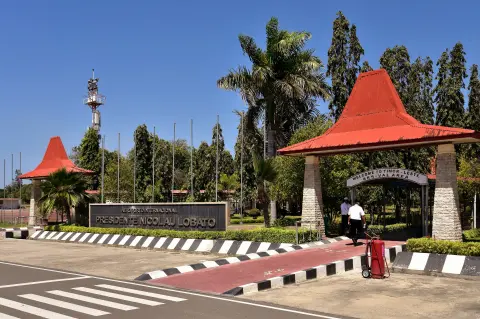
- Demonstrations can turn violent. In September 2025, police used tear gas during student protests in Dili against new cars for members of parliament and lifetime pensions, and both were scrapped. Keep away from demonstrations and large crowds, particularly around Tasi Tolu, Comoro, the airport and government buildings, and expect tension around elections.
- Foreigners aren't allowed to take part in political activity, and doing so can lead to arrest or deportation. There are severe penalties for drugs.
- People still find unexploded ammunition in open country outside Dili. Keep to marked paths, use a local guide when you hike, and never touch anything that looks like a weapon.
Crocodiles
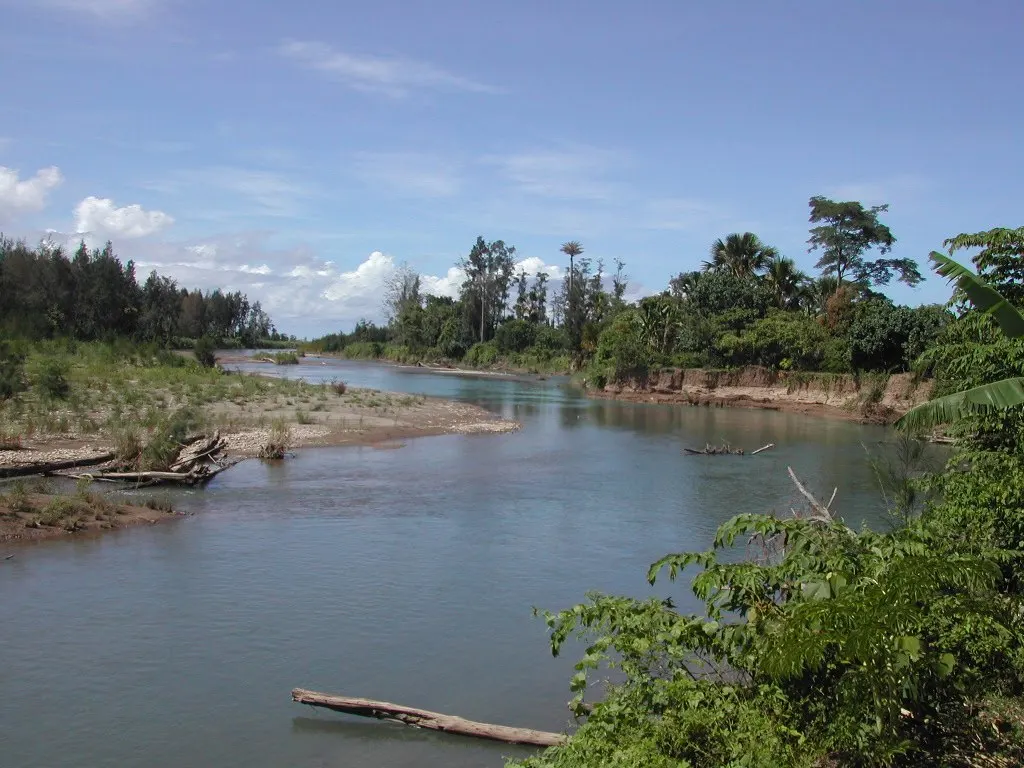
- Saltwater crocodiles live along the coast and in rivers, lakes and mangroves, and people are attacked every year. They're most common on the south coast and in the east, and have been seen in Manatuto, Baucau, Com and Liquiça, and at beaches and waterways in and around Dili. The tourism ministry says Atauro is the exception.
- Ask local people before you swim, snorkel, paddle or camp anywhere on the main island, obey warning signs, and don't stand at the water's edge, or near rivers and mangroves, at dawn, dusk or night.
- The crocodile is sacred here. In the national legend, the island grew from the body of a good crocodile (lafaek diak), and people call it Grandfather. Please don't joke about crocodiles or ask for them to be killed.
Being a good guest
- Greet people. Shake hands, smile, and say hello to everyone when you join a group. If you're offered coffee or food, try a little, after your host starts.
- Ask before taking photos of people, and never photograph soldiers, police, government buildings or ceremonies without asking.
- Dress modestly. Cover your shoulders and knees in churches, markets and villages, and keep swimwear for the beach. Public displays of affection aren't done.
- Almost everyone is Catholic, and Sunday Mass is a big event. Keep quiet and dressed up for it, stand back during processions, and don't drink or make noise on holy days such as Good Friday. On All Souls' Day, 2 November, families spend the day at the graves with flowers and candles.
- Same-sex relationships are legal but not recognised, and attitudes are conservative. Discretion is wise.
- The occupation that ended in 1999 touched every family. Visit the Resistance Museum to understand it, and let people raise the subject themselves.
Lulik: sacred places
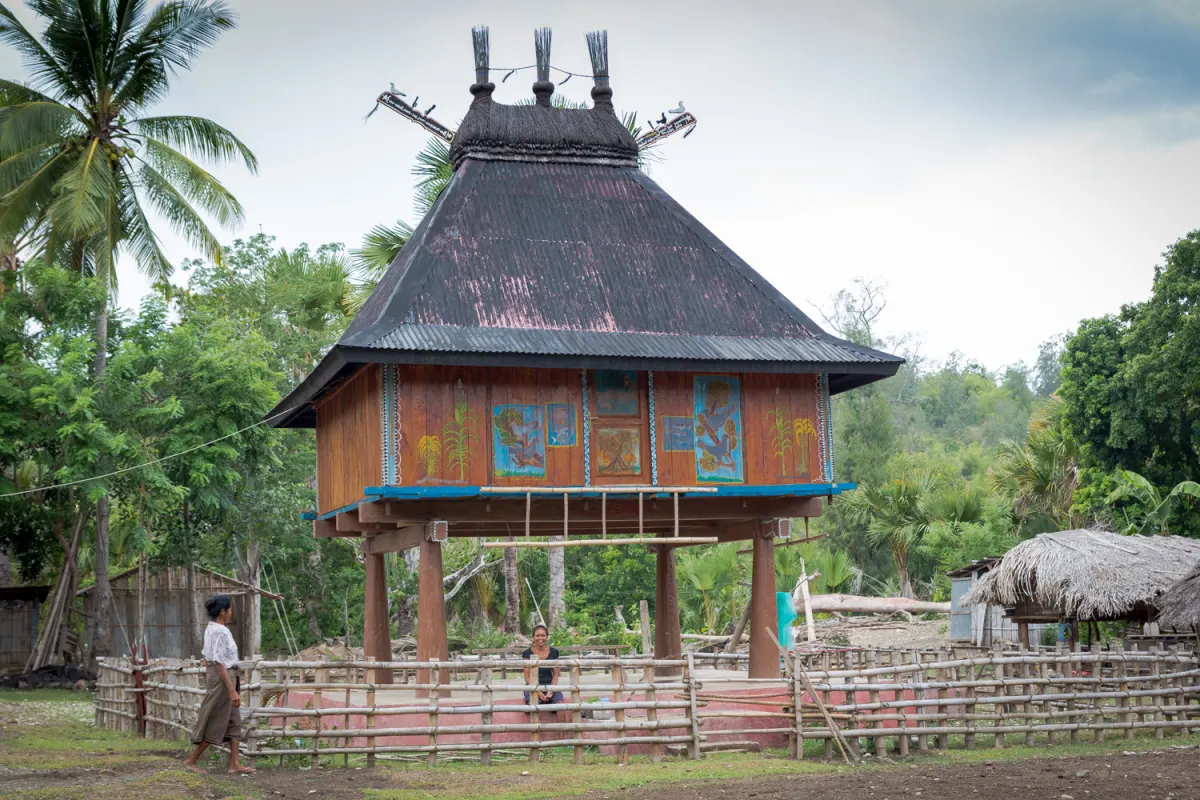
- Lulik means sacred or forbidden. It can be a house, a tree, a spring, a stone or a whole mountain. A sacred house, an uma lulik, holds a family's ancestral objects. Don't go in, climb on it, or touch anything without permission from the family or village leader, and ask before taking photos.
- Tara bandu is customary law that protects forests, reefs and fishing grounds. It may close a place to visitors or fishing for a season. Look for signs or cut branches, and ask.
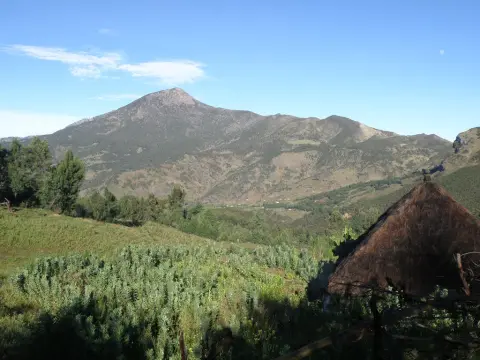
- Jaco Island is sacred, and nobody may stay the night there: see Nino Konis Santana National Park. Mount Ramelau is sacred too, and has a Catholic shrine on top.
- If you're given a tais, the hand-woven cloth, it's a great honour. Accept it with both hands.
A few words of Tetun
- Bondia: good morning. Botardi: good afternoon. Bonoite: good evening.
- Diak ka lae?: how are you? Diak: fine.
- Obrigadu (said by a man) or obrigada (by a woman): thank you.
- Kolisensa: excuse me. Deskulpa: sorry.
- Hira?: how much? Lae: no. Sin: yes.
- You'll often hear malae, foreigner, called out. It's friendly. Portuguese is the other official language, many people speak Indonesian, and English is mostly spoken in hotels and tourism.
Comments
No comments yet.