
Heat and health in Qatar: coping with summer, the sea, water, doctors and insurance
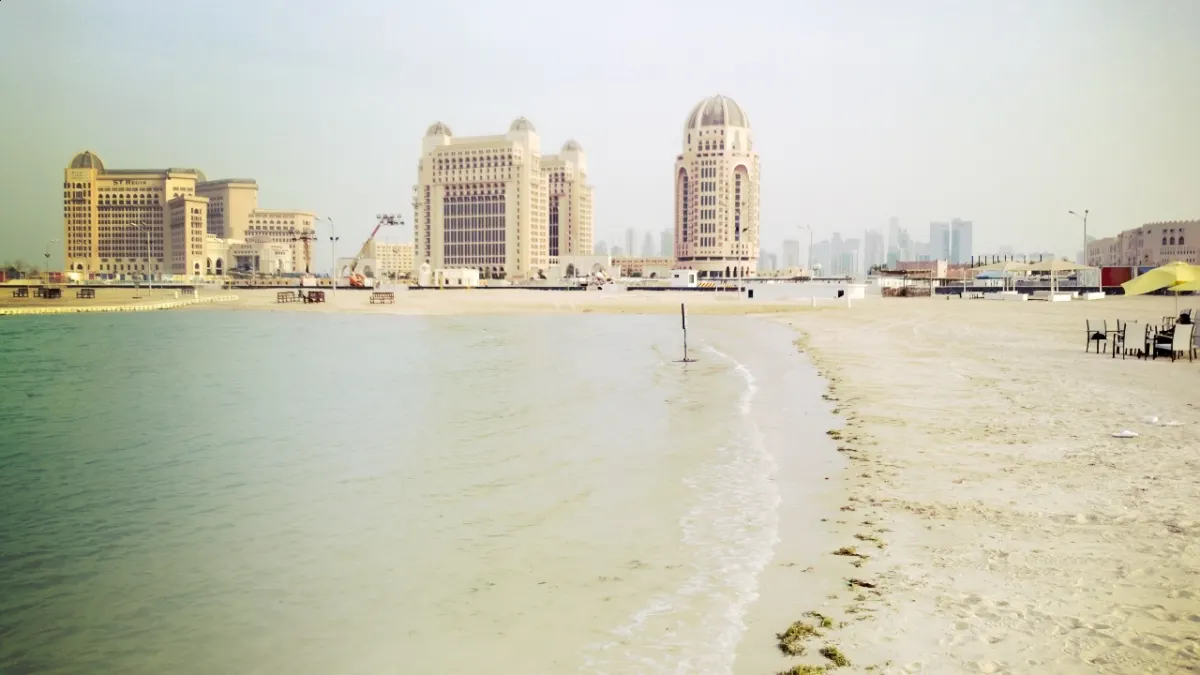
Qatar is a healthy place with modern hospitals. The risk is the summer sun, when life moves indoors or into the dark, and yours should too.
Coping with the heat
- Stay indoors from about 10am to 4pm in summer. Qatar itself bans outdoor work from 10am to 3.30pm between 1 June and 15 September.
- Drink before you're thirsty, with something salty or rehydration salts. A bottle of water lasts less than an hour when you're walking.
- Hat, sunglasses, sunscreen and loose long sleeves, also in winter. Cars, buckles and sand get hot enough to burn.
- Never leave a child or an animal in a parked car.
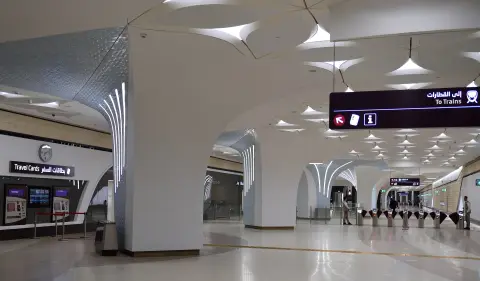
- Use the Metro, malls and museums as cool stops, and bring a layer for the air conditioning.
- Heat exhaustion means headache, dizziness, sickness, cramps and cold, sweaty skin: get into the cool, lie down and sip water. Heatstroke means confusion, very hot skin, a fit or collapse: call 999, and cool the person with water, wet cloths and a fan until help comes.
- Don't go into the desert from June to September, except on a short evening trip with an operator.
The sea
- Hotel beaches and Katara's public beach are the easiest. Swim where there are lifeguards, and not in strong winds.
- The water is warm from May, and like a bath by August. In January it's about 20°C.
- Jellyfish come in summer. Shuffle your feet in shallow water because of stingrays.
Food, water and illness
- Food hygiene is generally good. Tap water is officially safe, and bottled water is cheap.
- See a doctor or travel clinic a couple of months before you go. Hepatitis A, hepatitis B and routine vaccines such as measles are the usual ones to check.
- MERS, a serious virus caught from camels, has been found in Qatar. Avoid touching camels and their fluids, and don't drink raw camel milk. Wash your hands if you go to a camel market or ride one, and stay away if you have diabetes, a weak immune system, or lung or kidney disease.
- Tell a doctor at home about any fever after your trip.
Doctors, pharmacies and insurance
- Hospitals are modern, and most doctors speak English. The main public one is Hamad General Hospital in Doha, and there are many private ones. In an emergency call 999.
- Visitors pay. Get insurance that covers hospital bills and being flown home, and ask what it says about war: see Is it safe to visit Qatar now?
- Pharmacies are in every mall and district, some open all night. Many medicines need a local prescription.
- Bring your own medicines with the right papers. Many painkillers, sleeping tablets, and medicines for anxiety, epilepsy and ADHD need a permit: see Arriving in Qatar.
- In pregnancy, doctors may ask for proof of marriage. Unmarried women who are pregnant should talk to their embassy first: see Qatar's laws.
See also when to go.
Comments