
Qatar's laws that visitors trip over: alcohol, drugs, vapes, photos, social media, dress, relationships and Ramadan
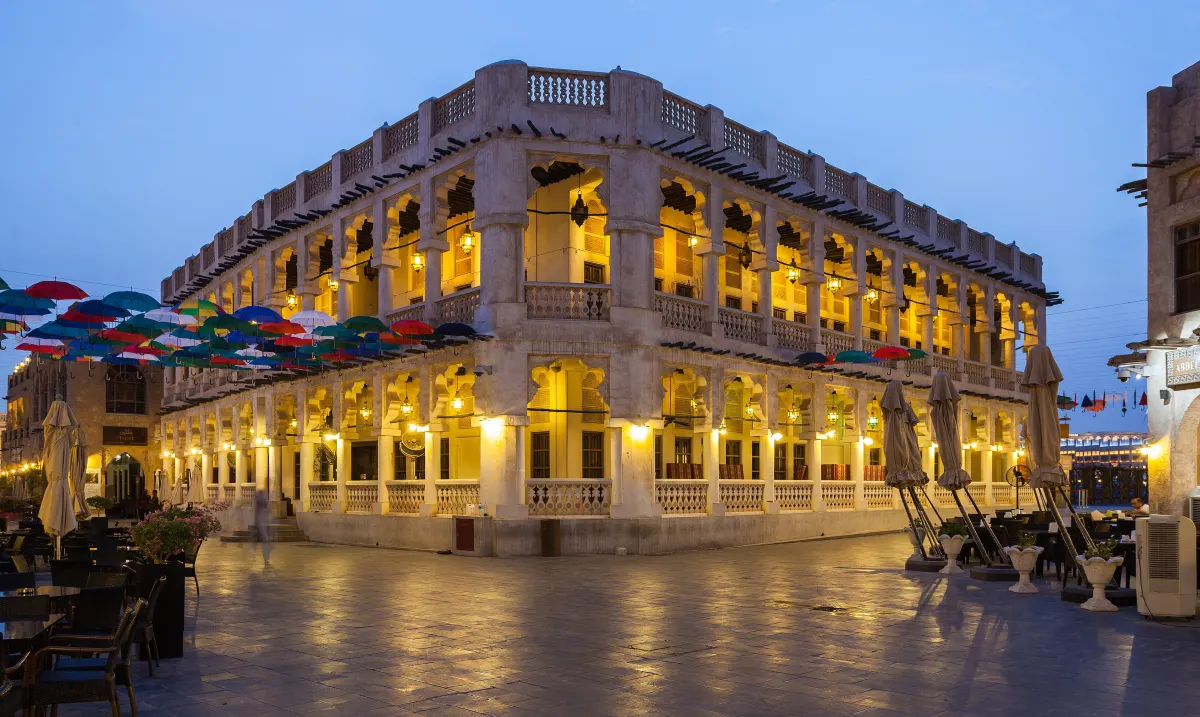
Doha is calm, modern and welcoming, and most visitors never come near the police. But Qatar is a conservative Muslim country, stricter than Dubai, and things that are normal elsewhere, such as vaping, swearing at a driver or photographing a stranger, are crimes here.
Drugs
- Zero tolerance, including cannabis, CBD and traces left in a bag. Expect a long prison sentence, a heavy fine and deportation. It applies in airport transit too.
- Germany says that trafficking can carry the death penalty.
- Many medicines need a permit: see Arriving in Qatar.
Alcohol
- You must be 21. Visitors can drink only in licensed hotels, restaurants and bars, nearly all of them in hotels. They ask for your original passport at the door: a copy won't do.
- There are no shops where visitors can buy alcohol. The one shop is for residents with a permit.
- Drinking, or being drunk, in public is a crime: up to six months in prison or a fine of up to 3,000 riyals. Don't carry alcohol around.
- You can't bring any in.
- Drinking and driving: the limit is zero, and the UK government gives one month to three years in prison, or a fine of 10,000 to 50,000 riyals, or both.
Vaping and smoking
- Vapes are illegal: to bring in, buy, sell or use. You can be fined, jailed or deported.
- Smoking isn't allowed in malls, restaurants, on public transport or in other closed public places. Shisha cafés have their own areas.
Words, gestures and religion
- Swearing and rude gestures are crimes, in the street, in the car and online. You can be jailed or deported for a raised finger.
- Insulting Islam, Christianity or Judaism is a crime. Remarks about religion that would pass at home can be taken as an insult.
- Non-Muslims can't worship in public or try to convert anyone.
- Don't criticise the Emir, the government or Qatar, and stay polite with police and officials.
- Protests need permission: keep away from them.
Photos
- Don't photograph people without asking, above all women, families, workers and people praying. Since August 2025, posting or sharing a picture or video of someone in a public place without their consent can bring a year in prison and a fine of up to 100,000 riyals.
- Photographing accidents or injured people is a crime.
- Not allowed: military and government buildings, oil and gas plants, power and water works, the airport's security areas. Visitors have also been arrested for filming near religious and construction sites.
- Never film missiles, explosions or damage: see Is it safe to visit Qatar now?
- Skylines, museums, souks and general street views are fine. Binoculars and long lenses attract attention near sensitive places.
- Drones need a permit.
Social media
- Posts, private messages and shared videos all count. Insults, rumours and anything "culturally insensitive" have led to arrests.
- Australia advises not commenting online on Qatari culture, government policy or businesses while you're there, including reviews of hotels and restaurants. Wait until you're home.
Dress
- Cover your shoulders and knees in public, men and women, also in the car. It's enforced in government offices, hospitals and banks, and museums can refuse you.
- Swimwear is for hotel pools and beaches. Bikinis are normal at hotel beaches; on public beaches dress more modestly.
- You don't have to cover your hair, except in a mosque.
Relationships
- Kissing and touching in public can get you arrested. Married couples holding hands is usually fine.
- Sex outside marriage is illegal, and so is an unmarried couple living together. Hotels don't normally ask foreign couples for a marriage certificate, but the law hasn't changed.
- A pregnant woman who isn't married can be arrested. Doctors ask for proof of marriage.
- Same-sex relations are illegal, with prison as a possible punishment. Canada says LGBT+ travellers should carefully consider the risks of going. If you go, be very discreet, also online, and don't use dating apps.
Ramadan
- Ramadan should begin around 8 February 2027 and last about 30 days, depending on the moon.
- Don't eat, drink, smoke or chew gum in public in daylight, including in your car. Hotels serve food behind screens, and many restaurants open only after sunset.
- Expect little or no alcohol during the day, and fewer places serving it at night. Ask your hotel.
- Dress more modestly than usual, and take care on the roads before sunset, when everyone is rushing home.
On the street and road
- Cross at crossings and wait for the green man. Under a new traffic law from 19 December 2026 ignoring the signal can bring up to a year in prison and a fine of 10,000 riyals, though the usual settlement is 500 riyals.
- Leaving the scene of an accident is a crime. See Getting around Qatar.
- Men who get into a women-and-family carriage on the Metro can be fined.
Debts and travel bans
- An unpaid hotel, hospital or car-hire bill, a bounced cheque, an unpaid traffic fine or a court case can mean you can't leave Qatar until it's settled, which can take months. Pay fines before you go to the airport.
If you're arrested
- Ask for your embassy to be told, and for a translator. Don't sign anything you can't read.
- Carry your passport, or a copy, with you. You can be asked to bring the original to a police station.

Comments
No comments yet.