
2 to 4 days in Qatar: Doha's museums and souq, Al Zubarah and the north, and the desert (route map)
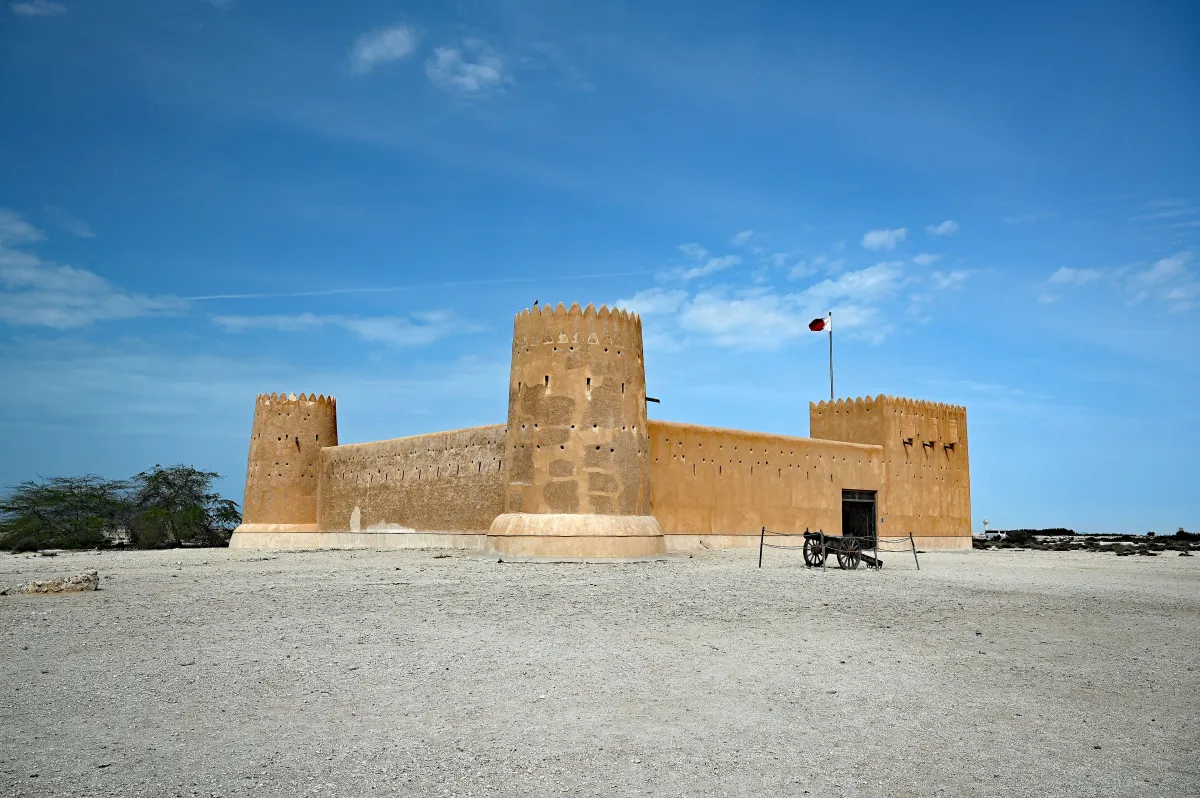
Two days are enough for Doha's best museums, its souq and its skyline, with the Metro and the odd taxi. Two more take in the pearl-fishing town of Al Zubarah, Qatar's World Heritage site, and the place in the south where the dunes run into the sea.
Check the security advice first: on 24 November 2026 Germany advised against travelling to Qatar and the USA said to reconsider. See Is it safe to visit Qatar now? Days 1 and 2 stay in the city. Day 3's main road keeps well inland of the gas plants at Ras Laffan. Day 4's only road runs past Mesaieed's industrial area, which governments count among the likely targets: leave day 4 out if there have been alerts, or if your government's advice is to avoid such places, and never stop or take pictures there.
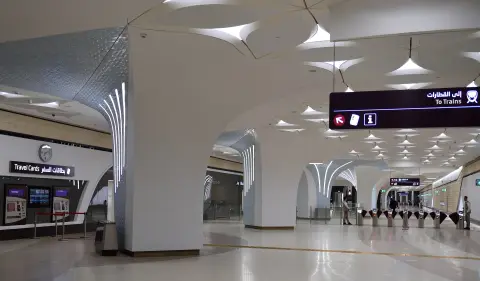
When: November to March. In the hotter months do the museums by day, the rest after dark, and leave out days 3 and 4. Plan around closing days: the National Museum shuts on Tuesday, the Museum of Islamic Art on Wednesday, the Msheireb Museums on Sunday, and Friday mornings are dead everywhere. Stay in Msheireb or by Souq Waqif if you can: both are on the Metro and you can walk to a lot.
Map of the route
Days 1 and 2: Doha, about 40 km
Day 3: Al Zubarah, Al Jumail and Al Ruwais, about 240 km
Day 4: road to Sealine, about 60 km
Desert tour to Khor Al Adaid, about 20 km
Click a dot for the place. You sleep in Doha throughout. In Doha the route follows the roads, though much of it is by Metro. The last part of day 4 is a desert tour over the sand, drawn roughly: it has no road. Route from OpenStreetMap (© OpenStreetMap contributors, ODbL).
Day 1: the bay and the souq
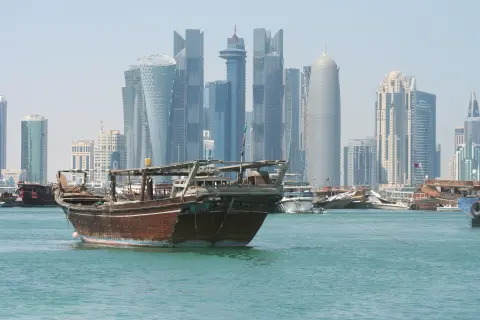
- Morning: the Museum of Islamic Art, on its own island. Allow two hours or more, then walk in MIA Park for the classic view across to West Bay. A bazaar is held in the park on Fridays and Saturdays in the season.
- Midday: lunch, and a rest in the heat.
- Afternoon: the Msheireb Museums, four old houses. Bin Jelmood House, on slavery, and Company House, on the first oil workers, are the best. They're free and close at 5pm (9pm on Fridays). The free tram goes round the district.
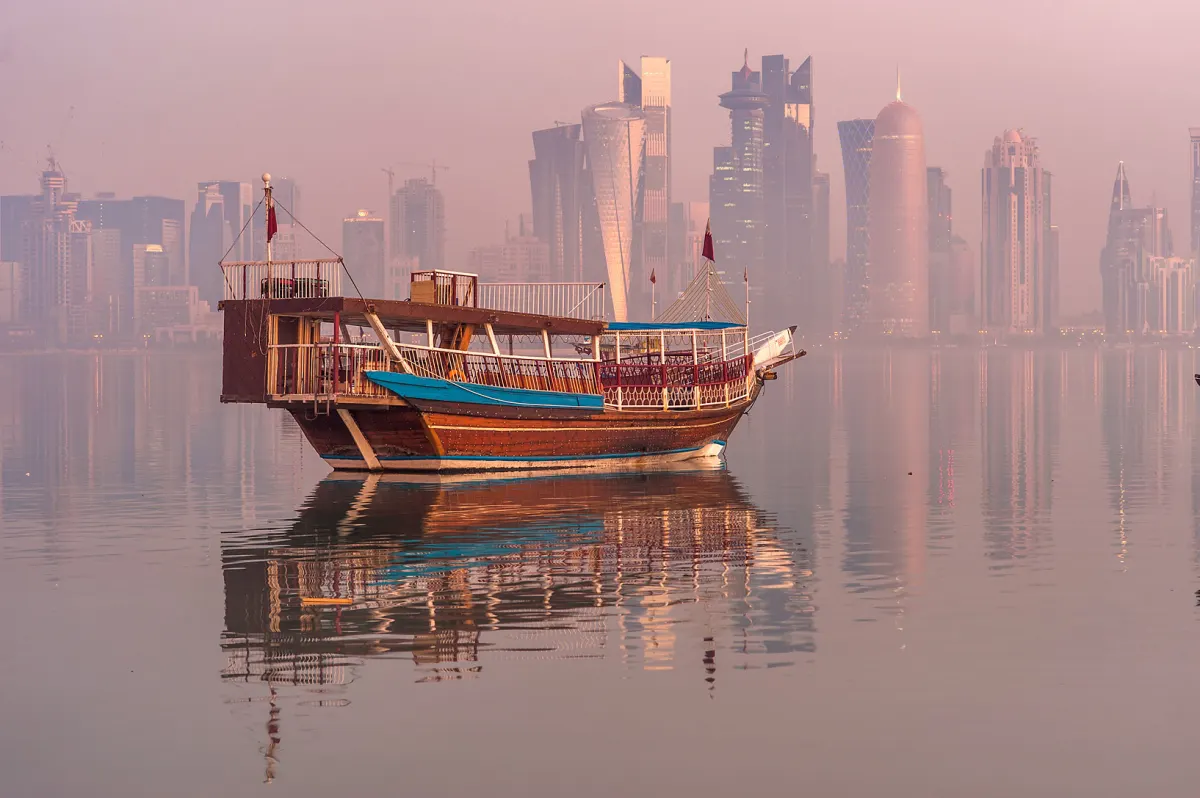
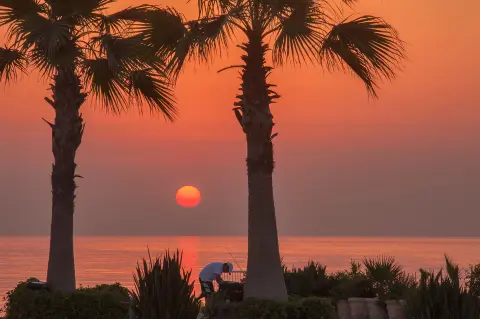
- Sunset: the Corniche, perhaps with a short ride on a dhow. Agree the price and the time first, and look for life jackets.
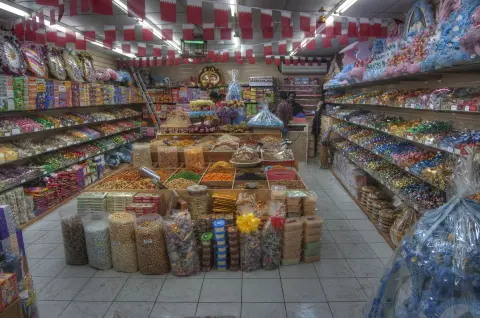
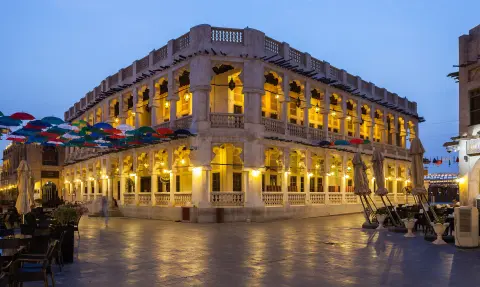
- Evening: Souq Waqif, for spices, falcons, grilled meat and tea. Try machboos: see Food and drink in Qatar.
Day 2: the desert rose, the Grand Mosque and Katara
- Morning: the National Museum of Qatar, next to its Metro station on the Gold Line. Half a day passes quickly. Book online.
- Afternoon: the mosques at Katara and its lanes and beach, reached by the Red Line. The Pearl, with its marinas and the canals of Qanat Quartier, is a free Metrolink bus or short taxi away.
- Early evening: the Imam Muhammad ibn Abd al-Wahhab Mosque, lit up. In 2026 visitors were welcomed from 5pm to 8pm, not on Fridays. Dress for it: see Culture and etiquette.
- Evening: dinner at Katara or the Old Doha Port, or the lights of Lusail Boulevard by Metro.
With only a few hours between flights: the airport Metro to Msheireb, Souq Waqif on foot, the Corniche, and the Museum of Islamic Art if it's open. Allow an hour each way and be back at the airport at least two hours before your flight. With a layover of under about six hours, stay there.
Day 3: Al Zubarah and the north
A day by hire car or with a driver, about 250 km on good roads. Take water and lunch: there's very little on the way. Read Getting around Qatar before you drive.
- Leave by about 8am on the Al Shamal Road north, and follow the signs to Al Zubarah, 100 km from Doha.
- Al Zubarah was a rich pearl-fishing and trading town, burnt down in 1811 and never rebuilt. UNESCO listed it in 2013. Start at the small fort of 1938, once a coastguard post, then take the shuttle and boardwalk to the ruined town by the sea. It's open from 9am to 5pm, and on Fridays from 12.30pm. You need a ticket: book on Qatar Museums' website. There's no shade, so go early.
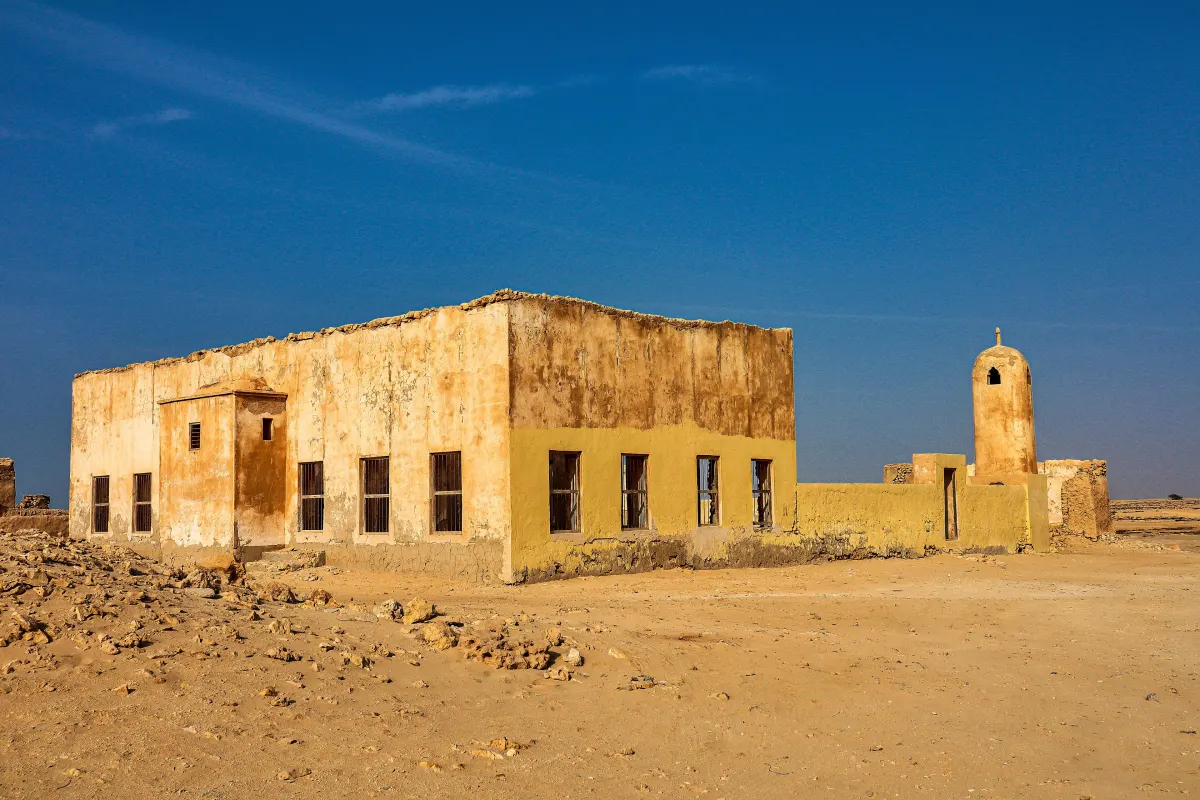
- Al Jumail, up the coast, is an abandoned fishing village of crumbling coral-stone houses with a lonely minaret. There are no facilities. Don't climb on the walls, and take nothing away.
- Al Ruwais, at the northern tip, has a fishing harbour full of dhows, and one of Qatar's oldest mosques.
- Return by the Al Shamal Road. The Barzan Towers at Umm Salal Mohammed, marked in many guidebooks, were closed until further notice in November 2026.
Day 4: the desert and the Inland Sea
- Book a half-day or overnight tour to Khor Al Adaid with a licensed operator, who picks you up in Doha. The road ends near Sealine, about an hour south, and from there it's an hour of dunes, so never go in an ordinary car.
- Afternoon trips end with sunset over the water. In winter a night in a camp under the stars is the best part: bring warm clothes.
- Ask for gentle driving if you want it, wear the seat belt, and choose an operator that stays off the plants and at least 30 metres from the shore, as the law has demanded since October 2026.
- Camels wait for tourists at Sealine. Think about the health advice on camels first: see Heat, health and weather.
Other ideas
- 3-2-1 Qatar Olympic and Sports Museum, by the Khalifa stadium on the Gold Line, for anyone who likes sport.
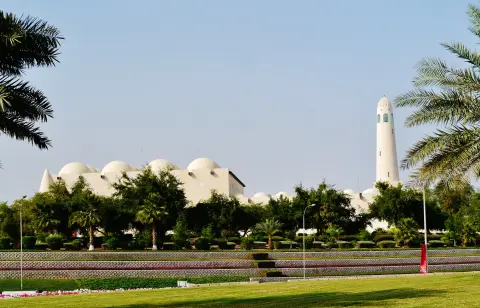
- Education City on the Green Line: the Qatar National Library, the striking Education City Mosque, Mathaf, and a free tram.
- Al Wakrah: an old-style souq beside the sea, at the end of the Red Line and a taxi ride.
- The west coast near Zekreet, with Richard Serra's four steel plates in the desert (East-West/West-East), needs a four-wheel drive and a driver who knows it. The road there passes not far from the Al Udeid air base and Dukhan's oil and gas fields, so we'd leave it for calmer times.
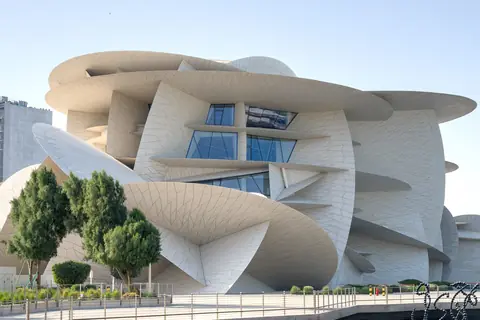
National Museum of Qatar, Doha
A building by Jean Nouvel inspired by the desert rose crystal, with interlocking discs, opened in 2019.

Souq Waqif, Doha
A restored traditional market in central Doha with spice, textile and falcon shops, a falcon hospital, and many restaurants and shisha cafés.
Comments
No comments yet.