
Heat, health and weather in Qatar: when to go, month by month, coping with summer, water, doctors and insurance
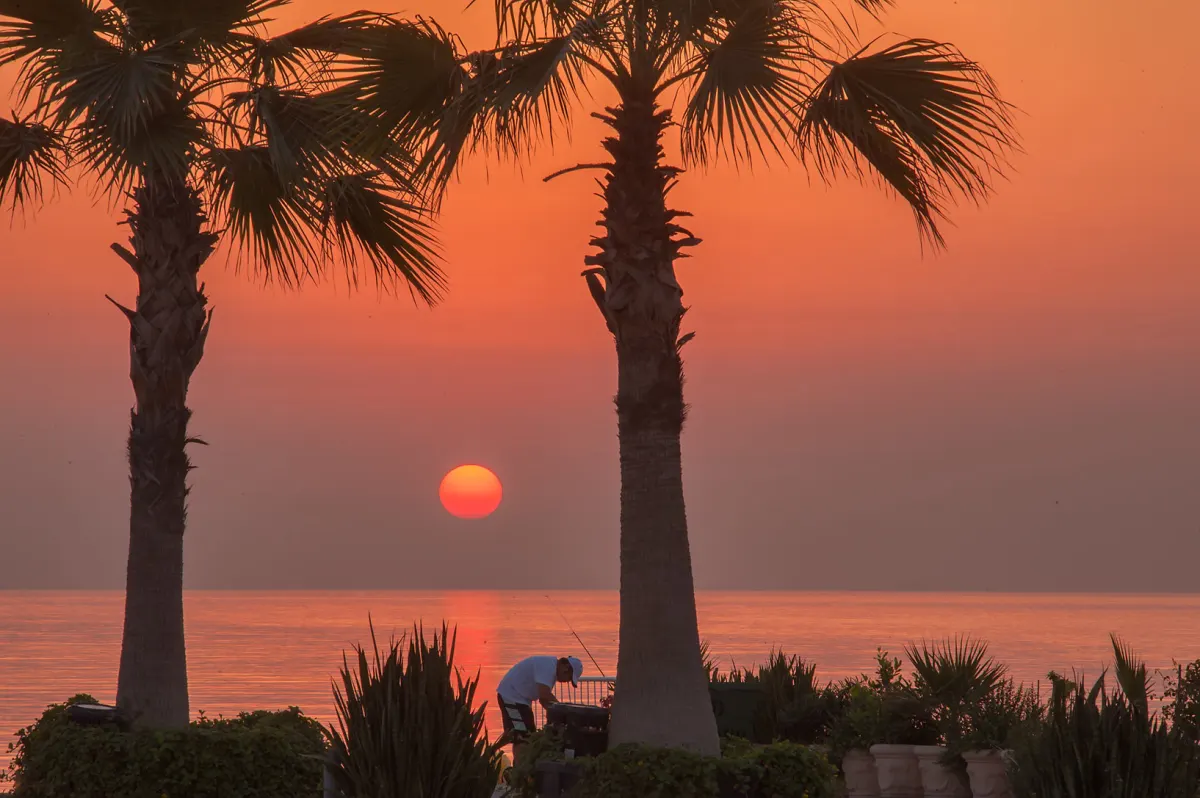
From November to March Doha has some of the most pleasant weather anywhere. From June to September it's one of the hottest places on earth, with warm, sticky nights, and life moves indoors or into the dark. When you go changes the trip completely.
When to go
- Best: late November to early March. Warm days, cool evenings, desert camps, outdoor festivals. Hotels are dearer, and full for big events.
- Good: early November and the rest of March. Hot in the middle of the day.
- Hot: April and October. Fine for museums, evenings and the beach.
- Extreme: May to September. Cheap hotels, but plan to be outdoors only after dark.
- Ramadan, from about 8 February to 9 March in 2027, falls in the best weather, but with short hours and no eating in public by day. See Culture and etiquette.
Month by month in Doha
Average night and day temperatures from Qatar's weather service, for 1992 to 2021:
- January 15 to 23°C, February 16 to 24°C: mild and sometimes windy. A jacket for evenings, and a warm layer for the desert at night.
- March 19 to 28°C, April 23 to 33°C: warming quickly, with the odd thunderstorm.
- May 28 to 39°C, June 31 to 42°C: dry heat, with strong north-westerly shamal winds and dust.
- July 32 to 42°C, August 32 to 41°C: the worst, as humidity rises. The record is 50.4°C.
- September 30 to 39°C, October 27 to 36°C: still hot, and humid at night until the middle of October.
- November 22 to 30°C, December 17 to 25°C: lovely, with a little rain.
Rain, fog and dust
- It rains on only a few days a year, less than 80 mm in all, mostly from November to March. But one storm can flood roads and underpasses. Don't drive through water.
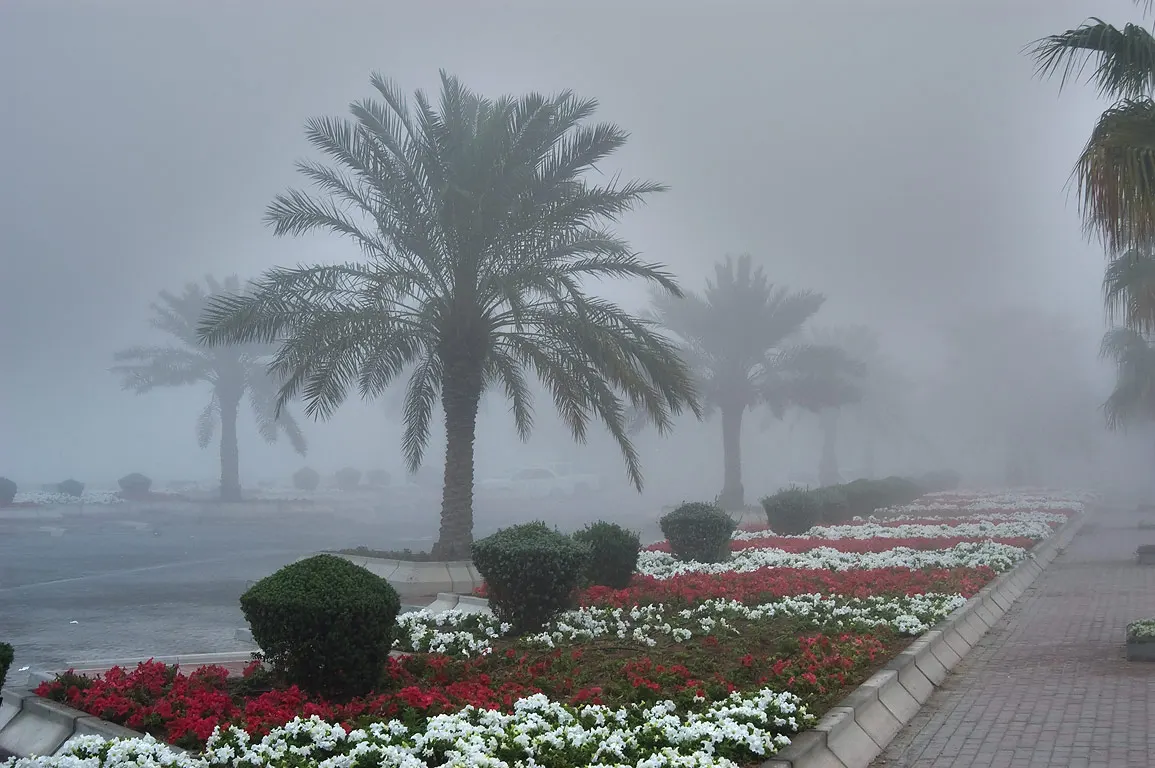
- Fog on winter mornings can delay flights and makes the roads dangerous.
- Dust storms can come at any time, most often in spring and early summer. Stay in, close the windows and wear a mask if you must go out. People with asthma should bring spare inhalers: air pollution can be high too.
- Forecasts and warnings come from the Qatar Meteorology Department, on its app and social media.
Coping with the heat
- Stay indoors from about 10am to 4pm in summer. Qatar itself bans outdoor work from 10am to 3.30pm between 1 June and 15 September.
- Drink before you're thirsty, with something salty or rehydration salts. A bottle of water lasts less than an hour when you're walking.
- Hat, sunglasses, sunscreen and loose long sleeves, also in winter. Cars, buckles and sand get hot enough to burn.
- Never leave a child or an animal in a parked car.
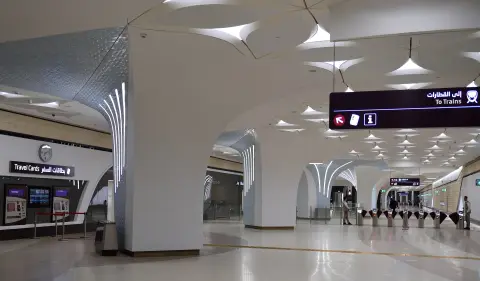
- Use the Metro, malls and museums as cool stops, and bring a layer for the air conditioning.
- Heat exhaustion means headache, dizziness, sickness, cramps and cold, sweaty skin: get into the cool, lie down and sip water. Heatstroke means confusion, very hot skin, a fit or collapse: call 999, and cool the person with water, wet cloths and a fan until help comes.
- Don't go into the desert from June to September, except on a short evening trip with an operator.
The sea
- Hotel beaches and Katara's public beach are the easiest. Swim where there are lifeguards, and not in strong winds.
- The water is warm from May, and like a bath by August. In January it's about 20°C.
- Jellyfish come in summer. Shuffle your feet in shallow water because of stingrays.
Food, water and illness
- Food hygiene is generally good. Tap water is officially safe, and bottled water is cheap.
- See a doctor or travel clinic a couple of months before you go. Hepatitis A, hepatitis B and routine vaccines such as measles are the usual ones to check.
- MERS, a serious virus caught from camels, has been found in Qatar. Avoid touching camels and their fluids, and don't drink raw camel milk. Wash your hands if you go to a camel market or ride one, and stay away if you have diabetes, a weak immune system, or lung or kidney disease.
- Tell a doctor at home about any fever after your trip.
Doctors, pharmacies and insurance
- Hospitals are modern, and most doctors speak English. The main public one is Hamad General Hospital in Doha, and there are many private ones. In an emergency call 999.
- Visitors pay. Get insurance that covers hospital bills and being flown home, and ask what it says about war: see Is it safe to visit Qatar now?
- Pharmacies are in every mall and district, some open all night. Many medicines need a local prescription.
- Bring your own medicines with the right papers. Many painkillers, sleeping tablets, and medicines for anxiety, epilepsy and ADHD need a permit: see Arriving in Qatar.
- In pregnancy, doctors may ask for proof of marriage. Unmarried women who are pregnant should talk to their embassy first: see Qatar's laws.
Comments
No comments yet.