
When to go to Bangladesh: weather, the monsoon, cyclones, heat, fog and holidays
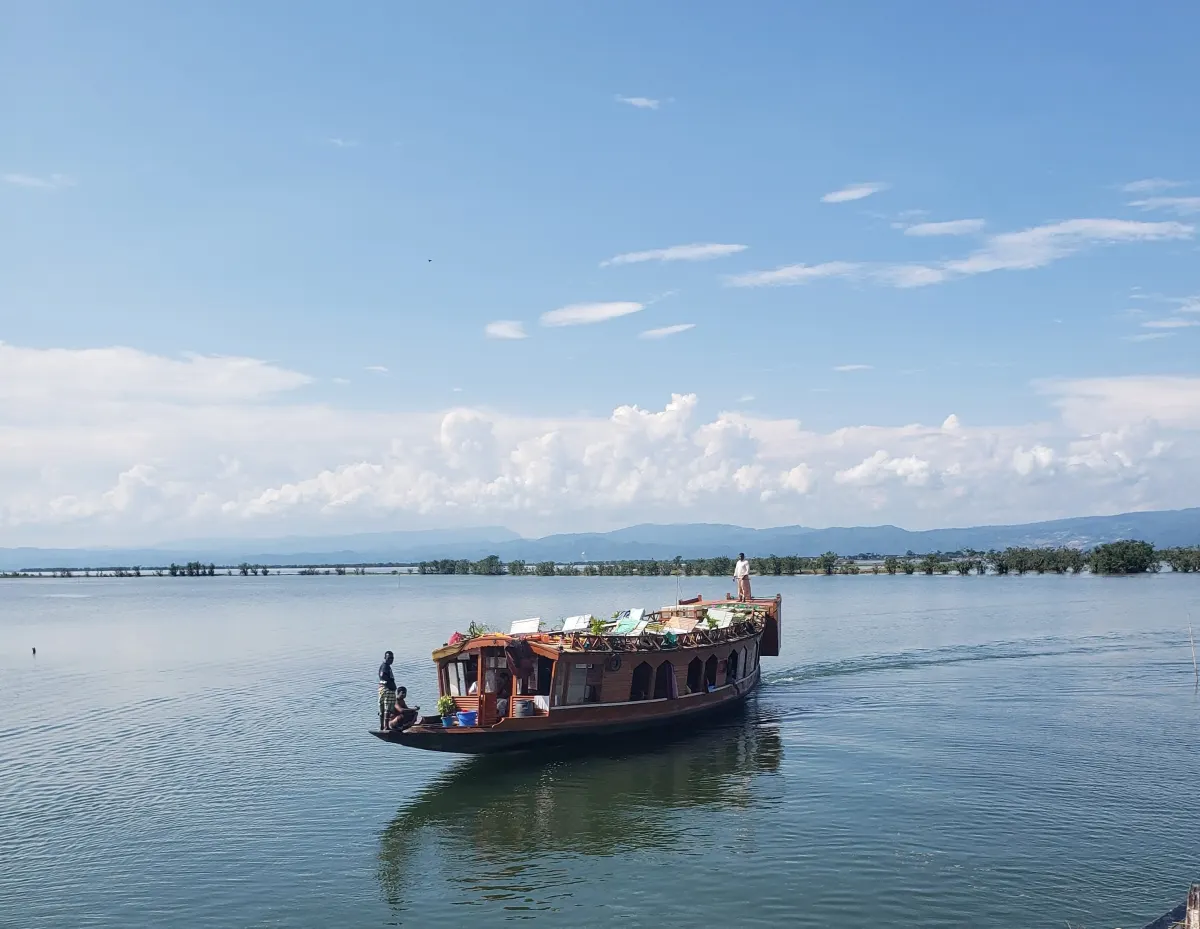
The best time to visit Bangladesh is the cool, dry season from November to February. Outside those months you'll have heat, storms or floods.
The seasons
- November to February: dry, with days of about 22–28°C and cool nights, sometimes down to 10°C in the north in January. This is the season for the Sundarbans, Cox's Bazar, Saint Martin's and outdoor sights. Its drawbacks are smog in the cities and thick morning fog in December and January, which delays flights, boats and traffic.
- March to May: hot and humid, with temperatures often in the mid-thirties and above 40°C in heatwaves. Nor'westers (kalboishakhi) are violent storms with lightning, hail and wind that come in the late afternoon in April and May. Lightning kills many people, mostly farmers, so get indoors and away from boats and open fields.
- June to September: the monsoon. Rain is heavy, roads flood, and large parts of the country are under water in a bad year, with flash floods and landslides in Sylhet, Chattogram and Cox's Bazar. It's also the time of green rice fields and the watery haor lands, and it's quieter. Plan for delays.
- October: the rain eases, and it can be very pleasant, but cyclones can arrive.
Cyclones
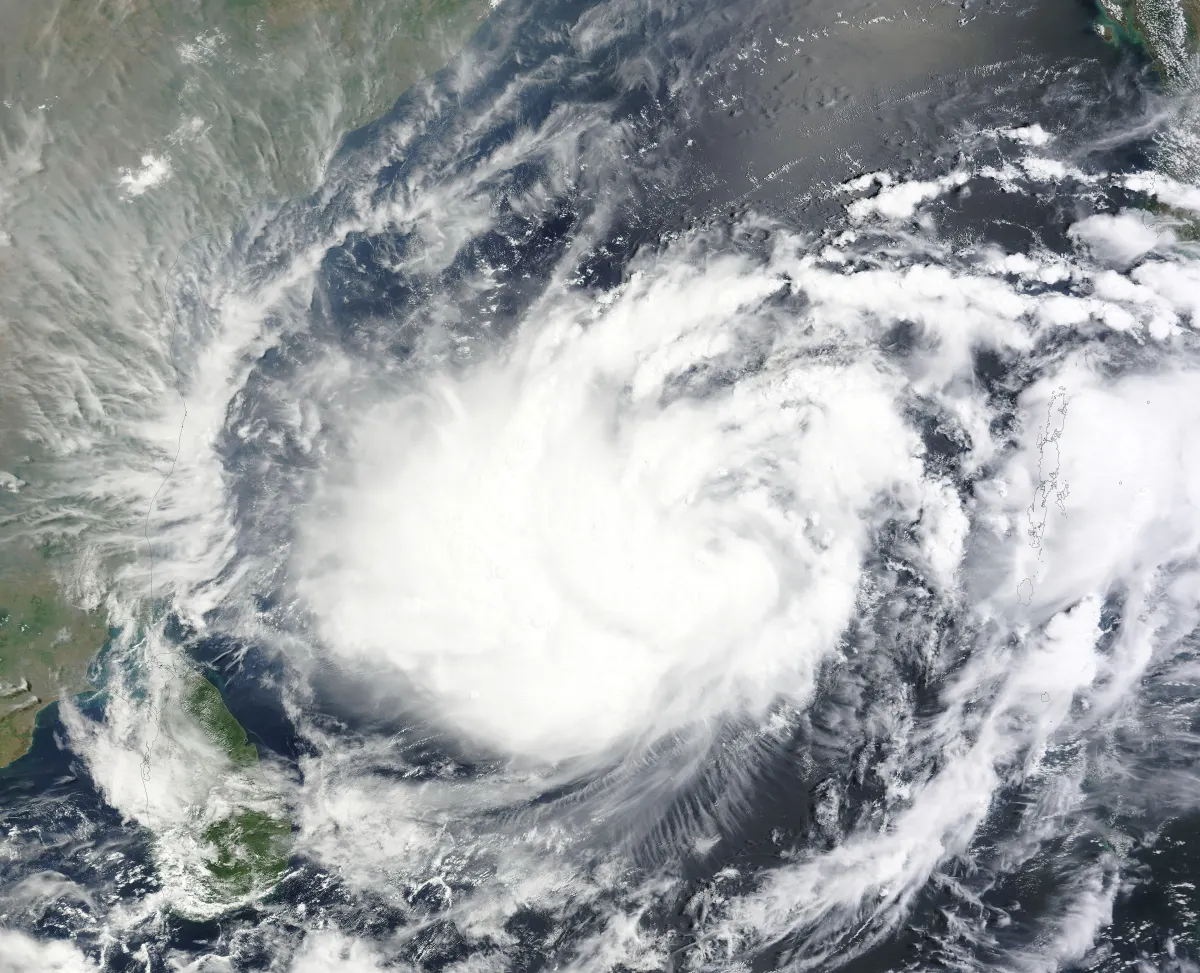
- There are two cyclone seasons, which Australia gives as May to June and October to November. Cyclones form in the Bay of Bengal, and the storm surge is what kills: the coast around Cox's Bazar, Saint Martin's, the Sundarbans and the islands is flat and low.
- Before you go to the coast in those months, check the Bangladesh Meteorological Department. It uses numbered signals for ports. When there's a warning, boats stop, and you should leave the coast in good time, or go to a concrete building or a cyclone shelter and follow instructions. Never go out in the eye of the storm.
- Expect no power, no phone and no transport for days after a big cyclone.
Floods, and heat
- Follow the Flood Forecasting and Warning Centre. In the northeast, around Sylhet, flash floods can come in April and May as well.
- In heatwaves, schools close and people stay indoors at midday. Take water and cover your head.
- Earthquakes are possible too: about half the country has a high risk, including Moulvibazar and Sylhet, and Dhaka's is moderate, according to the UK. A tsunami is possible on the coast.
Where to go, and when
- Dhaka: November to February, but check the air. Late October and early March have warmer weather.
- Sreemangal: November to March. The tea is picked from about March to November, and the gardens are greener in the wet months.
- Sundarbans: November to February; closed June to August. See The Sundarbans, Cox's Bazar and Saint Martin's.
- Cox's Bazar: November to February. Swimming is most dangerous in the monsoon.
- Saint Martin's: ships only from about November to mid-March.
Holidays to plan around
- Eid al-Fitr (around 10 March 2027) and Eid al-Adha (around mid-May 2027): transport and Cox's Bazar hotels are full or overloaded, Dhaka is empty, and shops close. Avoid travelling on the days before and after. Boats are most dangerous then.
- 21 February (Mother Language Day), 26 March (Independence Day), 14 April (Bengali New Year) and 16 December (Victory Day) are big days out, with crowds and more security. Canada and Australia warn about crowds at such times.
- Durga Puja in October is the main Hindu festival.




Comments
No comments yet.