
Health in Kyrgyzstan: altitude, ticks, rabies, unpasteurised milk, smog, medicines and evacuation insurance
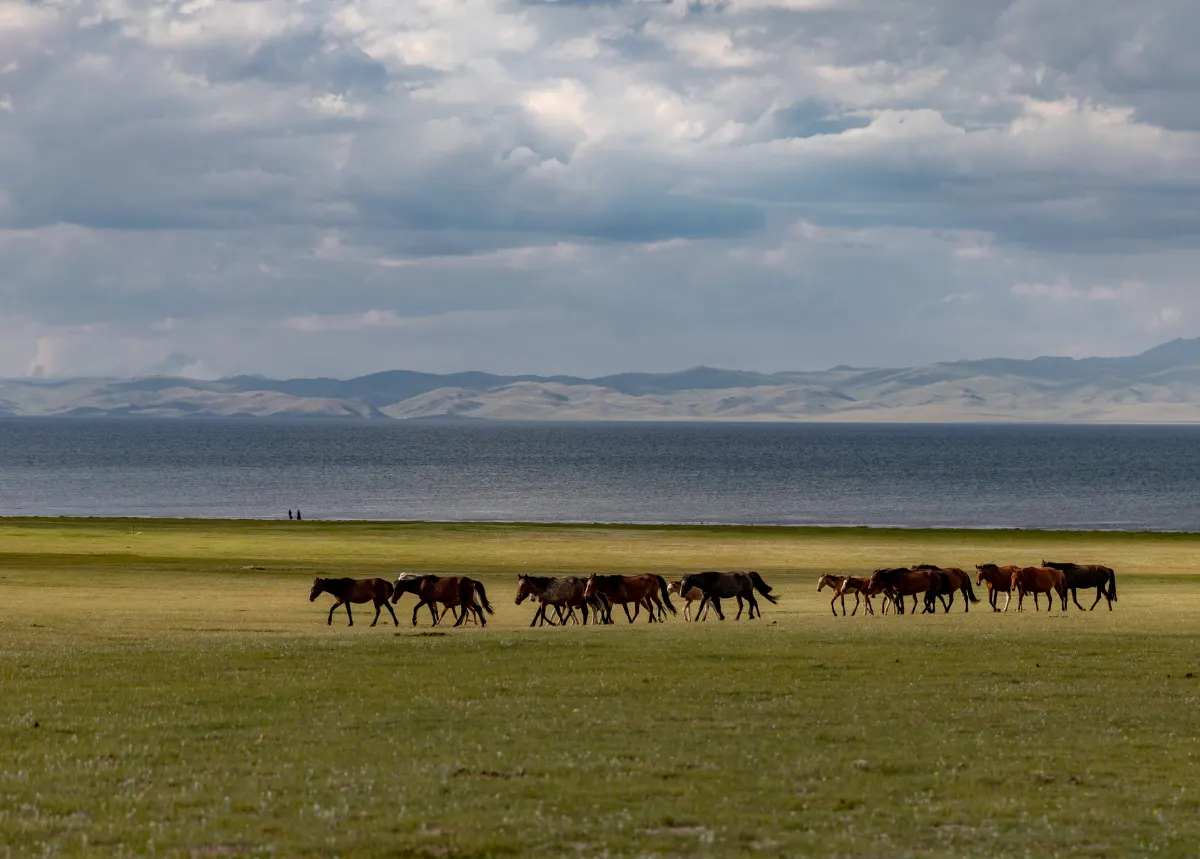
Medical care in Kyrgyzstan is basic outside Bishkek, and the places people come for are hours from a hospital. Buy travel insurance that covers evacuation, mountain rescue, and the height and activities you plan, riding and trekking included.
Altitude
- Song-Kul is at about 3,000 m, and the pass above Ala-Kul at about 3,900 m. Many people get a headache, feel sick or sleep badly the first night. Spend a night or two at 1,600 to 2,500 m first, in Kochkor, Naryn or Karakol, and don't go straight from Bishkek to sleep at the lake if you can help it.
- Lenin Peak base camp, at about 3,600 m, can be reached by car from Osh in a day, which is too quick. Climbers die there each year from going up too fast.
- If symptoms get worse, go down, the same day. Confusion, stumbling or breathlessness at rest are emergencies.
- Drink plenty, and go easy on alcohol. The sun is fierce: hat, sunglasses and cream.
Ticks
- Ticks carry tick-borne encephalitis from about April to November, with peaks in April and May and in August and September, according to the French government. Ask a travel clinic about the vaccine if you'll trek or camp.
- They can also carry Crimean-Congo haemorrhagic fever, which is rare but serious. Don't handle ticks or slaughtered animals with bare hands.
- Wear long trousers tucked into your socks, use repellent, and check your body and the children's every evening. Pull ticks out with tweezers, close to the skin.
The plant that burns
A tall wild plant called yugan grows on slopes, and its sap makes skin burn and blister in sunlight, mostly from April to July. Cover your legs in long grass, and don't pick flowers you don't know.
Food, water and animals
- Boil, filter or treat tap and stream water. Upset stomachs are common; bring rehydration salts.
- Raw milk, cream, kymyz and soft cheese can carry brucellosis and encephalitis. See Food and drink.
- There have been cases of anthrax in the south, caught from animals. Don't touch sick or dead livestock, and eat meat well cooked.
- Rabies is common, and treatment may only be found in the cities. If an animal bites or scratches you, wash it with soap and water for 15 minutes and get to a hospital the same day. Think about the vaccine before you travel.
Vaccines
Have your routine ones, including measles, and ask about hepatitis A and B, typhoid, rabies and tick-borne encephalitis at least eight weeks before you go.
Bishkek's winter smog
From about November to February, coal smoke settles over Bishkek, and its air is among the worst in the world on bad days. If you have asthma or a heart problem, come in another season, or wear an FFP2 mask outdoors and stay in the mountains. (Covering your face for health is allowed.)
Medicines
- Bring all you need, in its packaging, with the prescription, and declare it at customs. Ask a Kyrgyz embassy about strong painkillers, sleeping pills and medicines for anxiety or ADHD.
- Pharmacies (apteka) in towns sell basic medicines, often under other names, so know the generic name.
- Pack a first-aid kit with blister plasters, antiseptic, painkillers and something for diarrhoea.
If you're ill or hurt
- Call 103 or 112, and your insurer. In the mountains it's often quicker to find a car.
- Go to a private clinic in Bishkek if you can; the UK government has a list of doctors who speak English. Hospitals elsewhere are short of equipment, and you may need to pay cash.
- Serious cases are flown to another country, such as Turkey or the Emirates, which costs a great deal without insurance. Helicopter rescue is limited, and may need the insurer's guarantee before it takes off.
- In September 2026, Kyrgyzstan made it compulsory for tour operators to insure their tourists, to pay for rescues. It's not checked at the border, and it doesn't replace your own policy. Ask your operator what it covers.
Comments
No comments yet.