
Desert safaris in the UAE done safely and responsibly: choosing an operator, dune bashing, quad bikes and camping
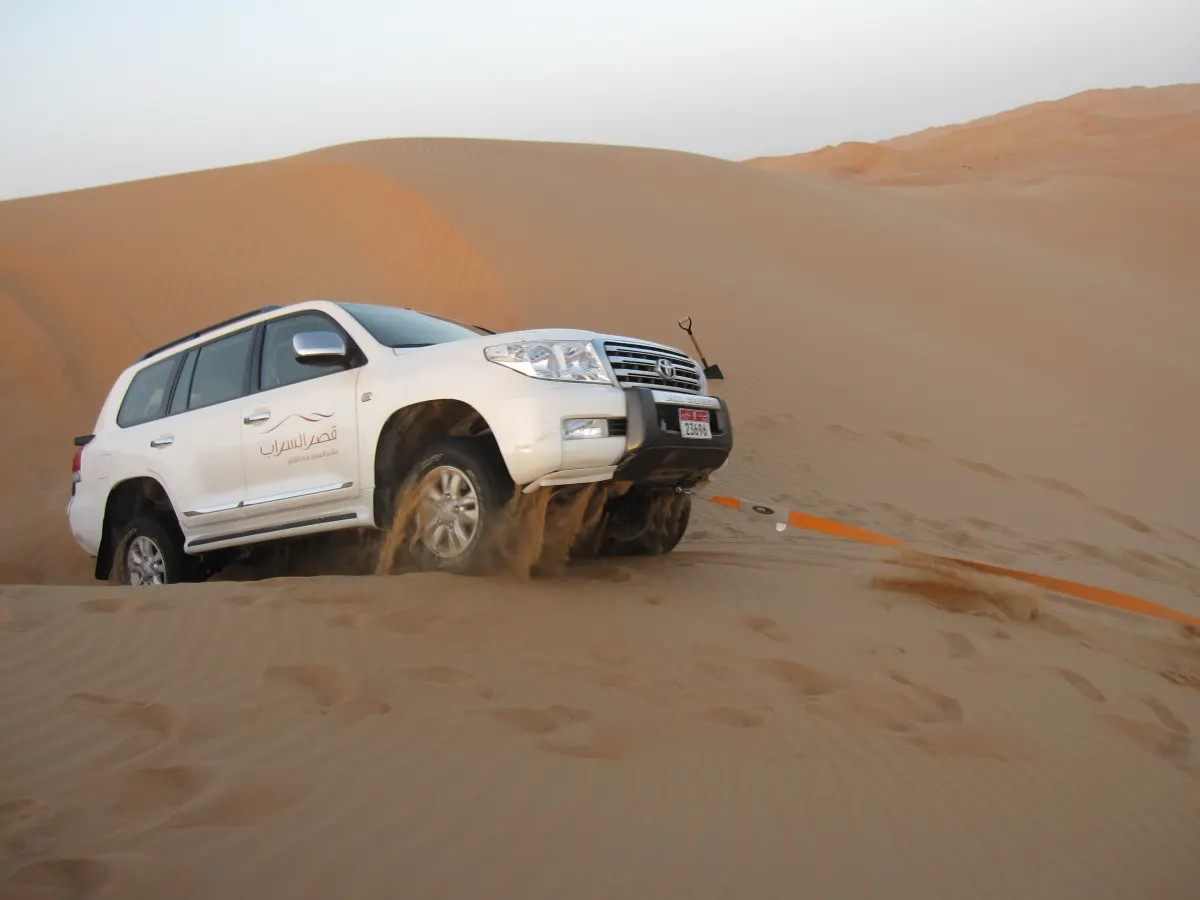
An evening in the desert is the UAE's most popular trip, and its most uneven: it can be a quiet walk with a naturalist among oryx, or a convoy of a hundred cars racing over the dunes to a camp with a buffet and a belly dancer. Pay attention to who you book with, because it's also where visitors get hurt.
What an evening safari involves
- You're picked up from your hotel at about 2pm to 3.30pm in a four-wheel drive.
- Half an hour or so of dune bashing (a roller-coaster ride over the sand), a stop for sunset and photos, then a camp with a short camel ride, sandboarding, henna, shisha, a barbecue and a show. You're back by about 9.30pm.
- Prices run from about 100 dirhams for a seat in a crowded car to 500 to 1,500 or more for a small group in a reserve. There are also morning trips, overnight camps, hot-air balloons at dawn, and stargazing.
- They run all year, but October to April is best. In summer go at dawn, if at all.
Choosing an operator
- In Dubai, desert safaris are regulated by the Department of Economy and Tourism (DET): companies, camps and vehicles must be licensed, and drivers trained and certified. Ask for the licence, and book directly, through your hotel, or with a well-reviewed company.
- Ask: how many in the car? Is dune bashing optional? Are there seat belts for everyone and a roll cage? Does the driver go alone or in a convoy? Is insurance included?
- Avoid very cheap deals from street sellers: they mean old cars, big camps and tired drivers.
- For wildlife and quiet, choose a trip in the Dubai Desert Conservation Reserve, where only a few approved operators may go and dune driving is restricted, or Al Marmoom. Those with a naturalist guide are worth the extra.

Tours and activities
Desert safari and Liwa Oasis
Abu Dhabi
Dune-bashing, sandboarding and a camp dinner are popular evening desert trips from Dubai and Abu Dhabi.
Dune bashing: who shouldn't
- Don't do it if you're pregnant, or have back, neck or heart trouble, recent surgery or brittle bones. Small children shouldn't go either. Ask for the car that drives round to the camp by the track.
- Wear your seat belt, hold the handle, and don't eat much beforehand.
- Tell the driver to slow down if you want: a good one will. If they've been drinking or are driving wildly, ask to stop.
- Never do it yourself in a hire car: you won't be insured, and you'll get stuck or roll over.
Quad bikes and buggies
- These cause the most serious injuries. The UK government says to check that your insurance covers them: many policies don't.
- Use a licensed company, on its own marked area, with a helmet, goggles, a lesson and a guide. Police have cracked down on unlicensed roadside rentals.
- Don't ride over the crest of a dune you can't see beyond, don't ride on roads, and don't carry a passenger on a one-person quad.
- Companies set their own minimum ages. Take photos of the machine before you start, so you aren't charged for old damage.
Camels and falcons
- Hold on tightly as a camel stands up and sits down: it tips you forward, then back. Skip any that look thin, sore or ill, and wash your hands afterwards.
- If you'd rather not see falcons or other animals used for photographs, ask what the camp keeps before you book.
The deep desert: Liwa and the Empty Quarter
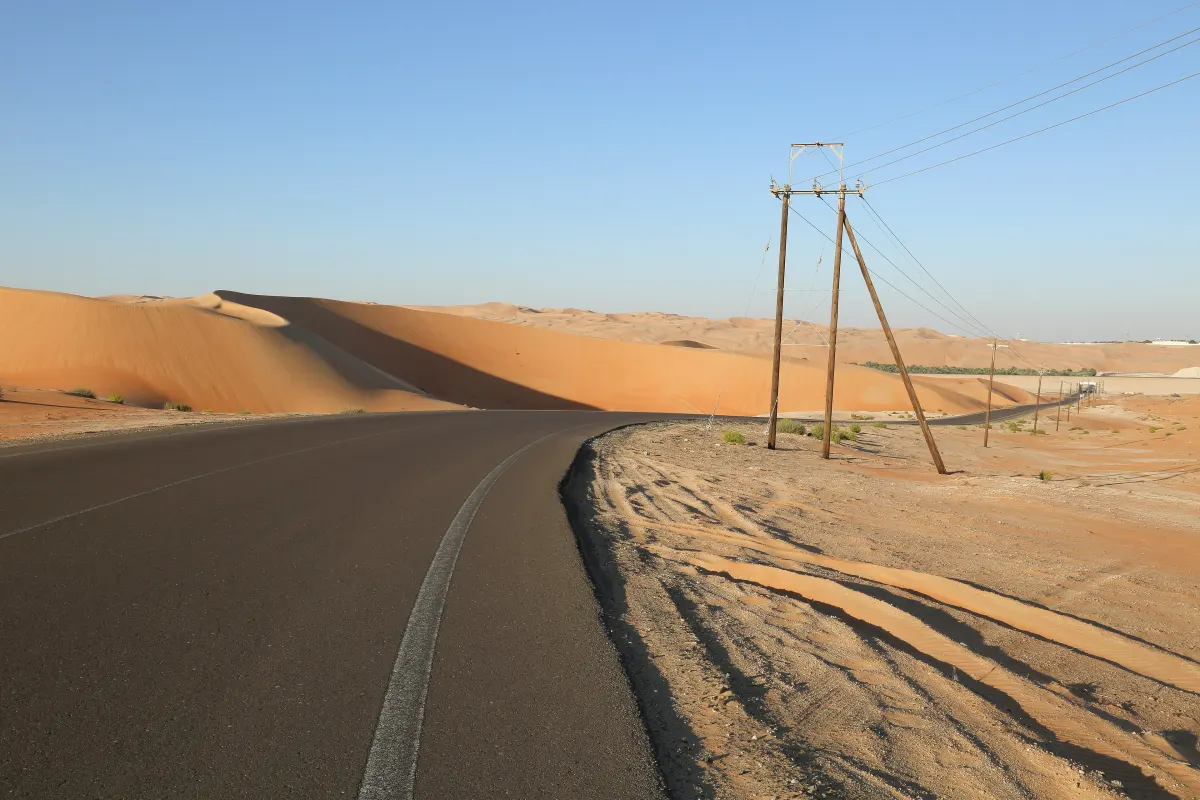
- Liwa, about two and a half hours south-west of Abu Dhabi, is where the real sand sea begins, with dunes a couple of hundred metres high, including Tal Moreeb. Good roads reach it, so you can enjoy it in an ordinary car if you stay on the tarmac.
- Stay a night to see sunset, stars and dawn. Fill up with fuel, and carry water.
Driving off the road yourself
- Only with experience, a proper 4x4, at least two vehicles, low tyre pressures, a shovel, recovery boards and rope, plenty of water, and a full phone and power bank. Tell somebody your route and when you'll be back.
- Phone signal runs out. Save your position, and note that the police can find you from the Dubai Police app.
- If you break down, stay with the car, in its shade. A car is found far sooner than a walker.
- Stay out of reserves, military areas and camel farms, away from the Oman and Saudi borders, and off salt flats (sabkha), which look firm and swallow cars.
Camping
- Wild camping is a local winter habit, but check the rules: permits or marked sites are needed in some reserves. Take all your litter home, light fires only where allowed, off the ground, and don't cut plants. There are fines for leaving rubbish.
- Nights are cold from December to February. Shake out shoes for scorpions, and never camp in a wadi.
What to bring
- Sunglasses, hat, sunscreen and water; closed shoes or sandals you can empty; long loose clothes, and a warm layer for winter nights; a scarf for blown sand; and wet wipes.
- Leave drones at home. Alcohol is served only in licensed camps.
See also Heat and health and Weather in the UAE. An evening in the desert fits into the 5-day and one-week itineraries.



Comments
No comments yet.