
Money in the UAE: dirhams, cards, tipping, hotel taxes, bargaining and VAT refunds
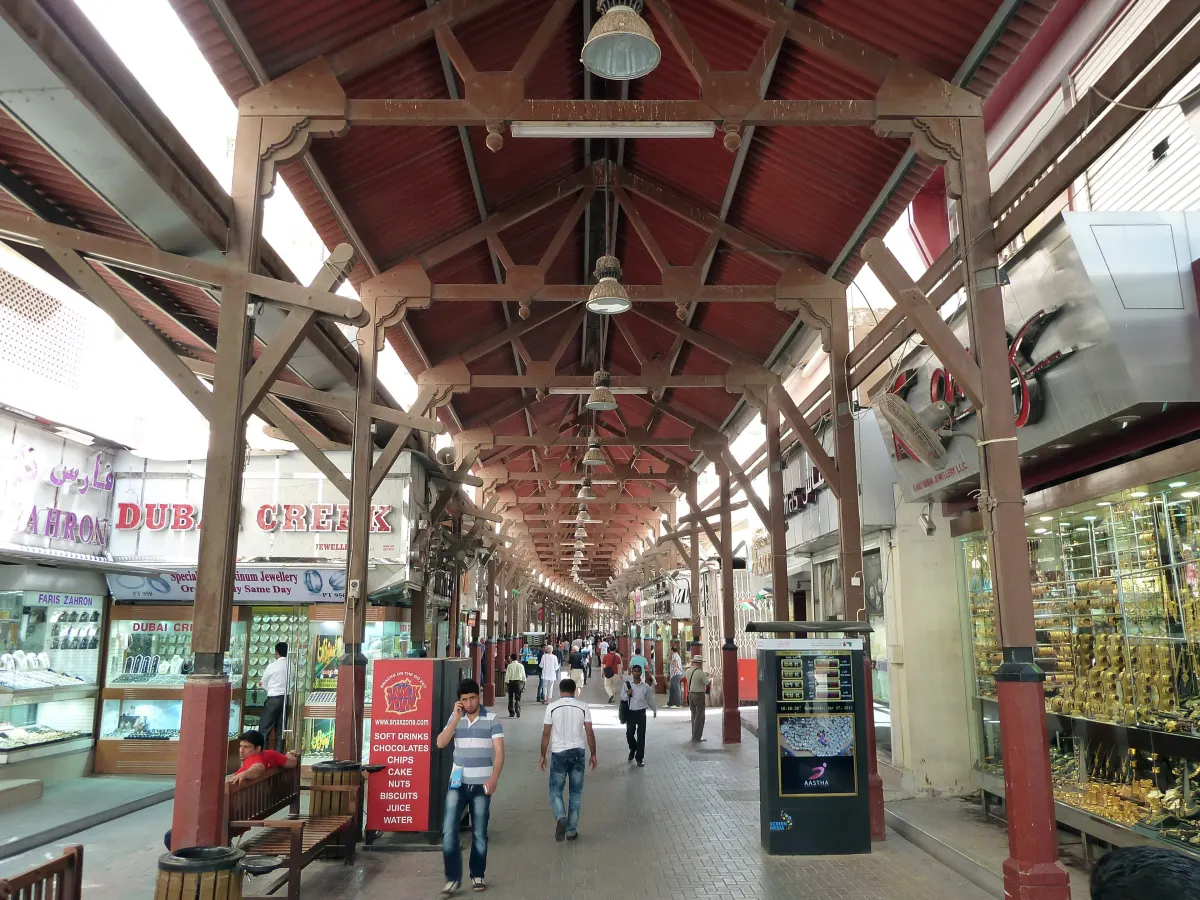
You can go for days in Dubai without touching cash. The main surprise is the extras: tourist fees, municipality tax, service charge and VAT can add more than a quarter to a hotel or restaurant bill.
Dirhams
- The currency is the dirham (AED, also written Dh or Dhs), divided into 100 fils. It's fixed to the US dollar: 1 US dollar is 3.67 dirhams.
- Notes are from 5 to 1,000 dirhams; the main coins are 1 dirham, 50 fils and 25 fils.
- Exchange houses in malls and around the souks (with licensed signs) give better rates than airports and hotels.
- You must declare more than 60,000 dirhams in cash and valuables when you enter or leave.
Cards, phones and cash
- Contactless cards and Apple, Google and Samsung Pay work almost everywhere, including taxis.
- Carry some cash for abras, small cafés, souks, tips and bus cards.
- Cash machines are everywhere. Many charge foreign cards a fee on top of your own bank's: read the screen before you accept.
- If a machine offers to charge you in your own currency, say no: pay in dirhams.
What gets added to the bill
- VAT is 5%. Shop prices include it.
- Hotels in Dubai add a 7% municipality fee, usually a 10% service charge, VAT, and the Tourism Dirham: 7 to 20 dirhams a room a night, depending on the hotel's stars. It's often paid at check-in, even if you've prepaid. Abu Dhabi and the other emirates have similar fees. Check whether the price you're quoted includes them.
- Restaurants in hotels and malls often add service and municipality fees too: look at the bottom of the menu.
- Alcohol is heavily taxed: expect London or New York prices, or more. Happy hours and ladies' nights help.
Tipping
- It isn't compulsory. If there's no service charge, 10% in a restaurant is generous. Round up in taxis, and give hotel porters, delivery riders and petrol-station attendants a few dirhams.
- Desert guides and drivers: 20 to 50 dirhams if they were good.
- Service staff are often low-paid workers from abroad, so a cash tip given directly is welcome.
Bargaining and shopping
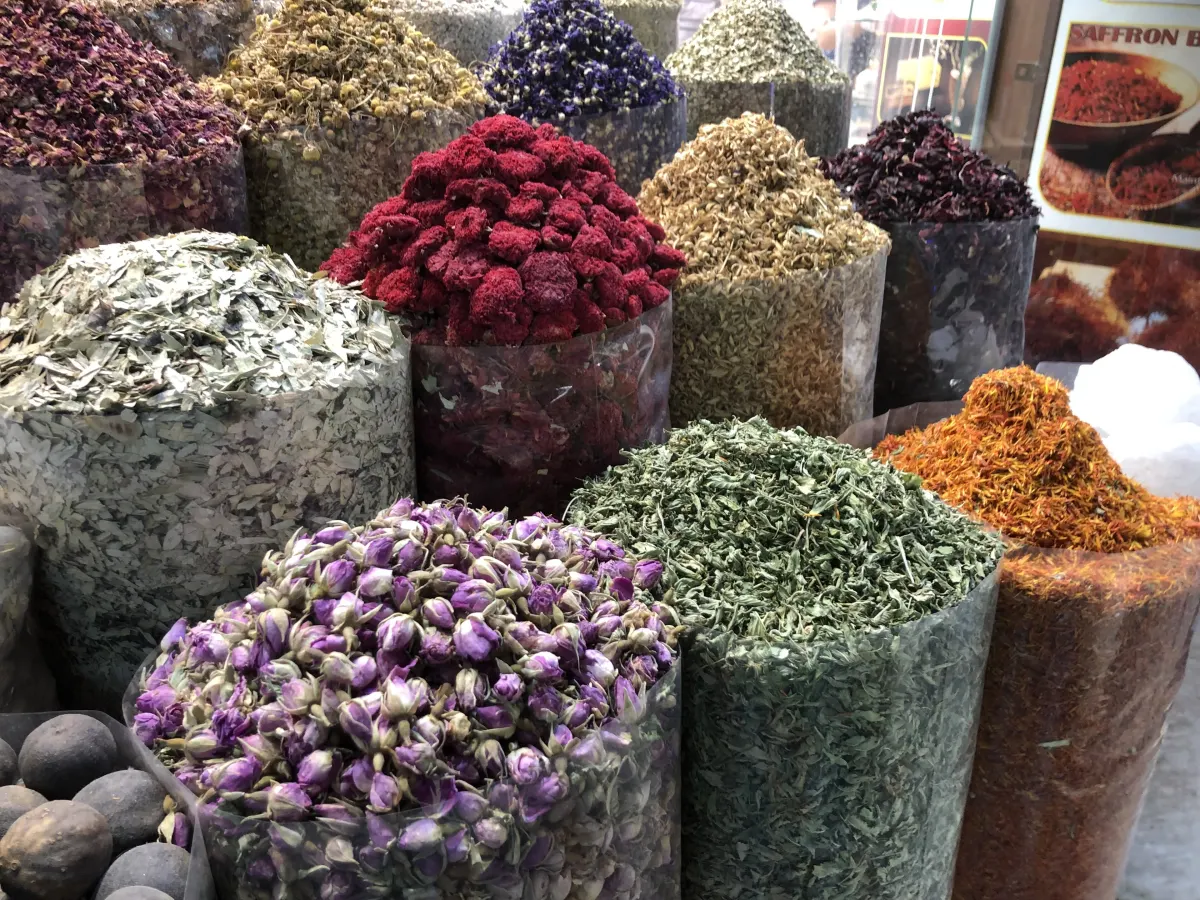
- Bargain in the souks, politely and with a smile: start at about half the asking price. Prices are fixed in malls and supermarkets.
- Gold is sold by weight at the day's price, shown on boards and apps; you bargain over the making charge. Shops give hallmarked gold and a receipt.
- Ignore people offering "copy watches" in the souk: fakes are illegal to bring home to many countries.
- The Dubai Shopping Festival (about December and January) and the summer sales have big discounts.
VAT refunds for visitors
- You can claim VAT back on goods you take home, if you're 18 or over, entered as a tourist, and spend at least 250 dirhams (before VAT) in one transaction at a shop in the scheme, run by a company called Planet. Show your passport when you pay.
- You don't get all of it: the Federal Tax Authority takes 13% of the VAT and 3.60 dirhams for each transaction, so about 4% of the price comes back.
- At the airport, port or land border, before you check in your bags, scan your passport at a Planet kiosk or desk. Keep the goods with you, unused, in case they're inspected. Then leave the country within six hours.
- Some malls and hotels have kiosks you can use in the last 24 hours if you've checked in online.
- Validate within 90 days of buying. Refunds to a card have no limit; cash is limited to 35,000 dirhams. You can't claim on anything eaten, used or done in the UAE.
Saving money
- Dubai can be cheap: eat in Deira, Karama, Satwa and Al Fahidi for a fifth of what you'd pay in a mall, ride the Metro, and swim at free public beaches. See Emirati food.
- Hotels cost far less from May to September. The weather is why: see Weather in the UAE.
- Book the Burj Khalifa and the Museum of the Future online ahead: sunset slots cost most.
- The Dubai Fountain, the old town and the beaches are free.



Comments
No comments yet.