
UAE laws visitors trip over: alcohol, drugs, swearing, photos, social media, dress, relationships and Ramadan
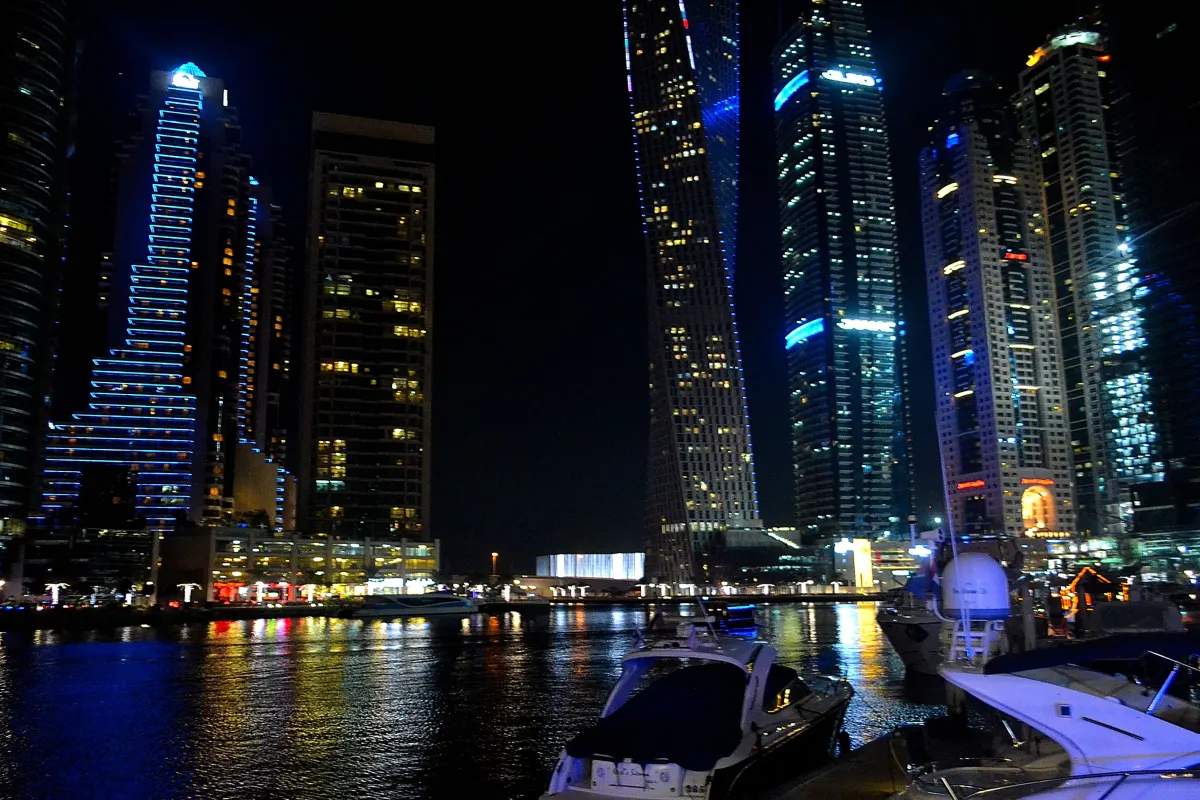
Dubai looks relaxed, and in most ways it is. But behind the beach clubs is a strict legal system in which being rude to a driver, posting a bad review, or having traces of cannabis in your blood can lead to arrest. Most people who get into trouble simply didn't know. Laws are stricter in Sharjah than in Dubai or Abu Dhabi.
Drugs: zero tolerance
- Even traces count: in your pocket, on your belongings, or in your blood or urine, even if you took the drug somewhere else where it's legal.
- The UK government says that possessing even a small amount, including cannabis, can mean at least three months in prison or a fine of 20,000 to 100,000 dirhams. Trafficking can carry the death penalty.
- CBD products, some vape refills, some skincare and "herbal highs" are illegal. So are many medicines without a permit: see Arriving in the UAE.
Alcohol
- You must be 21. Non-Muslim visitors can drink in licensed hotels, bars, clubs and restaurants in most emirates.
- Drinking, or being drunk, in public is illegal everywhere, including on beaches and in parks, and on the way back to your hotel. Take a taxi.
- Sharjah is completely dry: you can't buy, drink or carry alcohol there.
- In Dubai you need a (free) licence to buy alcohol in a shop: the main chains, MMI and African + Eastern, issue a temporary one to tourists who show their passport. It's valid for a month, in Dubai only.
- Drinking and driving: the limit is zero.
Words and gestures
- Swearing and rude gestures are crimes, in the street, in the car, by text and online. You can be fined, jailed or deported for raising your middle finger at another driver or an angry WhatsApp message.
- Don't insult or criticise the UAE, its rulers, its government or institutions, or any religion. Don't try to convert anyone.
- Don't argue with police or officials. If you have a complaint, stay calm and ask for a manager.
Photos
- Ask before you photograph people, especially women and families. Men have been arrested for photographing women on beaches. Taking or sharing a picture of someone without consent can bring up to six months in jail and a fine of 150,000 to 500,000 dirhams under the cybercrime law.
- Don't photograph government buildings, palaces, military sites, airports' security areas, accidents or police. Canada's advice includes aircraft.
- Never film missiles, drones, explosions or damage: see Is it safe to visit the UAE now?
- Flying a drone without permission is illegal.
Social media
- Everything you post or share counts, including things you posted before you came, private messages and "likes" of something offensive. Bad reviews naming a person or business can be treated as defamation.
- Fundraising without permission is illegal, including sharing an appeal or a crowdfunding link for a good cause.
- Promoting anything on your social media from inside the UAE needs an Advertiser Permit, paid or not, since February 2026. Visiting creators get a three-month permit through an approved agency. Ordinary holiday photos aren't affected.
- Using a VPN to commit a crime or hide one is an offence with very large fines: see Phones and apps.
Dress
- Swimwear is fine on the beach and by the pool, but not off it. Topless sunbathing is illegal.
- In malls, souks, government offices and old neighbourhoods, cover your shoulders and knees: the same goes for men. In practice Dubai's malls and restaurants are relaxed, but signs at the door ask for "respectful clothing".
- No offensive slogans. The UK government says cross-dressing is illegal.
- For mosques, see Culture and etiquette.
Relationships
- Holding hands or a quick hug is fine; kissing and touching in public can get you arrested.
- Unmarried couples can share a hotel room. Sex outside marriage between consenting adults over 18 is generally no longer a crime, but a husband, wife or parent can make a complaint, and both people can then be jailed for at least six months.
- Same-sex relations are illegal, and same-sex marriages aren't recognised. Private life is usually left alone, but people have been punished, particularly where something happened in public or someone was offended. LGBT+ travellers should be very discreet, including online.
- Under-18s can't check into a hotel without an adult.
Debts and bounced payments
- Not paying a bill, including a hotel, restaurant, hospital or car-hire bill, can be treated as a crime. You can be stopped from leaving the country until it's settled.
- Pay traffic fines before you fly: hire companies charge them to your card afterwards, often with a fee.
Ramadan
- Ramadan should begin around 8 February 2027 and end around 9 March, depending on the moon.
- Muslims fast from dawn to sunset. The UK and Canadian governments advise not eating, drinking, smoking or chewing gum in public in daylight, including in your car. Dubai is now much more relaxed than that, with most cafés and restaurants open as normal, but be discreet outside; Abu Dhabi asks visitors not to eat outdoors in daylight, and Sharjah is stricter.
- Dress more modestly than usual, don't play loud music, and take extra care on the roads before sunset. Evenings are wonderful: see Culture and etiquette.
On the street
- Jaywalking is illegal and fined. If it causes an accident, or on a road with a limit of 80 km/h or more, you can face jail and a fine of at least 5,000 to 10,000 dirhams.
- Littering, spitting, and eating or drinking on the Metro are fined. Smoking isn't allowed in malls, on public transport or in most indoor places, and vapes are treated the same.
- Gambling is only legal with a licensed operator.
If you're arrested
- Ask for your embassy to be told, and for a translator. Don't sign anything you can't read: statements are in Arabic.
- Stay polite. Cases can take months, and your passport may be held while they do.




Comments
No comments yet.