
Heat and health in the UAE: coping with summer, the sun, the sea, doctors, pharmacies and insurance
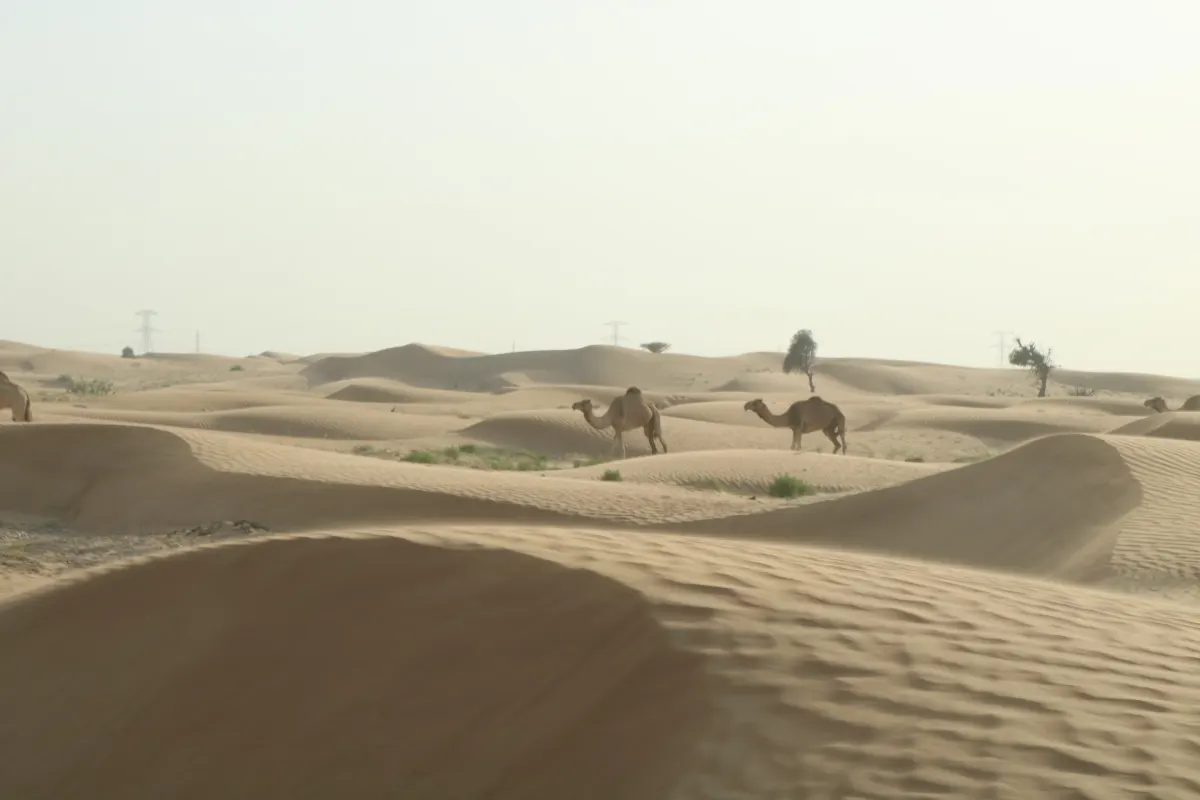
The UAE is a healthy place to visit, with good hospitals and clean food. Heat is the real danger: from May to October it can kill, and even in winter the desert sun is strong.
The heat
- From June to September it's usually over 40 °C in the afternoon, sometimes close to 50, and the humidity on the coast makes it feel much worse. Nights may not drop below 30 °C. See Weather in the UAE.
- From mid-June to mid-September outdoor workers must by law rest from 12.30pm to 3pm. Follow their example: stay indoors from about 11am to 4pm, and do things outside before 9am or after dark.
- Drink before you're thirsty: several litres a day, with something salty or rehydration salts if you're sweating a lot. Alcohol dehydrates you.
- Wear loose, light, long clothes, a hat and sunglasses, and SPF 50.
- Never leave anyone in a parked car, even for a minute.
- Don't hike in summer. Even in spring, start at dawn with three or four litres of water each, and tell somebody where you're going.
- Pavements, car handles and metal rails burn. The sea can be as warm as a bath, so it doesn't cool you down.
Heat exhaustion and heatstroke
- Heat exhaustion: headache, dizziness, cramp, feeling sick, clammy skin. Get into air conditioning, lie down with your feet up, drink, and cool the skin with water and a fan.
- Heatstroke: confusion, collapse, fits, or a very high temperature. It's an emergency: call 998, and cool the person any way you can while you wait.
- Older people, children, and anyone with heart or kidney trouble, or taking water tablets or some antidepressants, are most at risk.
The sea
- Swim where there are lifeguards and flags. Red means keep out. Rip currents can occur on any beach: if you're caught, float, and swim along the shore before you head in.
- Jellyfish are common in some summer months, and stonefish and stingrays lie in the sand: shuffle your feet.
- Check life jackets and insurance before jet skis, boat trips and parasailing.
Food, water and infections
- Tap water is safe, if not delicious. Food hygiene is strictly inspected.
- Malaria has been eliminated. Dengue cases were reported after the big floods of 2024, so use repellent after rain.
- MERS, a rare but serious virus, is carried by camels: wash your hands after touching one, avoid sick camels, and don't drink raw camel milk.
- Stray cats and dogs can have rabies, although it's rare: wash any bite well for 15 minutes and see a doctor the same day.
- Vaccinations: be up to date with the routine ones, including measles. Hepatitis A and B are often advised: ask at least eight weeks ahead.
- Dust and, in winter, dry cold air can set off asthma: bring inhalers, and wear a mask when it's blowing.
- In the desert, watch for scorpions and snakes: shake out shoes, and use a torch.
Doctors and pharmacies
- Hospitals and clinics are very good, and most doctors speak English. Private care is expensive.
- The UK government warns that you may be refused treatment, other than in an emergency, without insurance or a way to pay, and stopped from leaving the country until a bill is paid.
- Pharmacies are everywhere, and some are open 24 hours. Many medicines need a prescription, and strong painkillers are tightly controlled.
- Bringing your own medicines: read Arriving in the UAE first. Some need a permit, and CBD is illegal.
- Emergency numbers: ambulance 998, police 999, fire 997.
Insurance
- Get cover for medical care and being flown home. Check that it includes what you'll do: dune bashing, quad bikes, diving, ziplines.
- Check what it says about war and terrorism too: see Is it safe to visit the UAE now?
- An injury while drunk or breaking the law usually isn't covered.
Other things to know
- Unmarried women can now get maternity care without being prosecuted, but births to unmarried parents need extra paperwork: take advice before travelling late in pregnancy. Airlines have limits too.


Comments
No comments yet.