
Culture and etiquette in Jordan: dress, mosques, Ramadan, hospitality and photography
Jordan is a mainly Muslim country with an old Christian minority, conservative in its traditions but used to visitors, and Jordanians are famously welcoming. A little care with dress and manners goes a long way.
What to wear
- Cover your shoulders and knees in public, men and women. Long trousers or a long skirt, and tops with sleeves, are the norm; loose clothes are also cooler in the heat.
- Amman's richer western districts and Aqaba's hotels are relaxed, but villages, the downtown and the south are conservative. Women will get less unwanted attention dressed modestly.
- Shorts are fine for hiking in Petra and Wadi Rum, but less so in the towns. Swimwear is for hotel pools and beaches; on public beaches, many local women swim fully dressed.
- Women don't need to cover their hair, except in mosques.
Mosques and churches
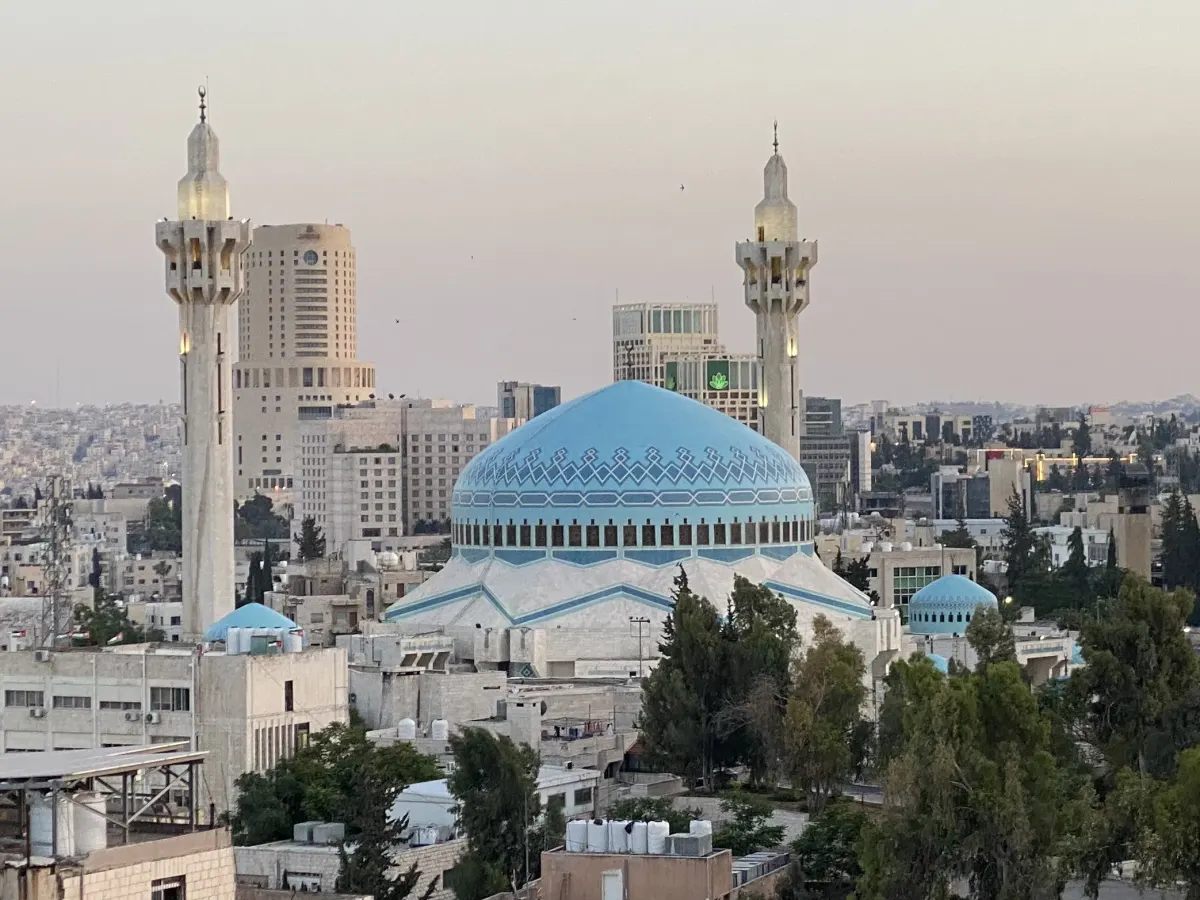
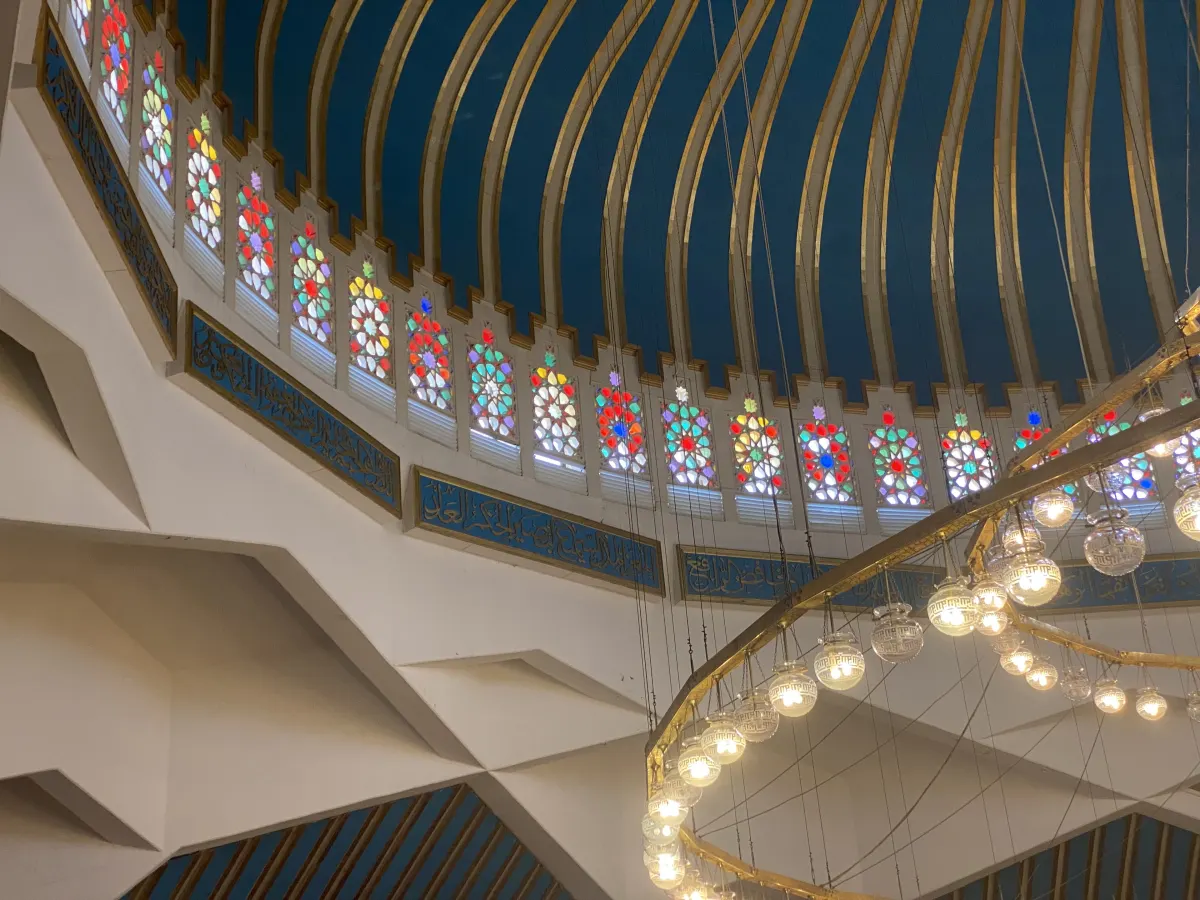
- Most mosques aren't open to non-Muslims, but the King Abdullah I Mosque in Amman welcomes visitors outside prayer times, for a small fee, and lends robes and headscarves.
- In any mosque, take off your shoes, dress modestly (women cover their hair, arms and legs), don't walk in front of people praying, and keep your voice down. Avoid Friday midday prayers.
- Churches, such as those in Madaba, also expect modest dress.
The weekend and Ramadan
- The weekend is Friday and Saturday. Friday morning is quiet, many shops and offices are closed, and public transport is reduced; the sights are open.
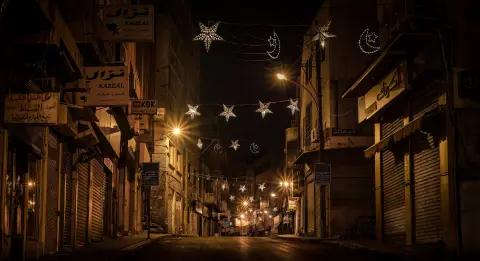
- Ramadan, the month of fasting, moves about 11 days earlier each year. In 2027 it's expected to run from about 8 February to 9 March, depending on the sighting of the moon. Muslims don't eat, drink or smoke from dawn to sunset.
- During Ramadan it's illegal to eat, drink or smoke in public in daylight, including for visitors. Hotels and some tourist restaurants serve food out of sight, and many restaurants open only at sunset. Alcohol sales are restricted.
- Opening hours are shorter, traffic is chaotic just before sunset, and evenings are lively. Eid al-Fitr, at the end, is a public holiday when transport and hotels fill up. Eid al-Adha (in 2027, around mid-May) is the other big holiday.
Manners
- Greet people with "as-salaam alaykum" (peace be upon you); the reply is "wa alaykum as-salaam". Men shake hands with men; wait for a woman to offer her hand first, and don't be offended if a man or woman of the opposite sex doesn't.
- Use your right hand to eat, give and receive.
- Accept tea or coffee when it's offered, at least once; it's a sign of welcome. See Jordanian food and drink.
- Public displays of affection, even holding hands, can offend outside the cities.
- Don't criticise the king or the royal family: it's illegal, and Jordanians are proud of them.
- Politics, especially Israel and Palestine, is a sensitive subject: many Jordanians are of Palestinian origin.
Photography
- Ask before you photograph people, particularly women; many will say no, and that's to be respected.
- Don't photograph military sites, police, checkpoints, border crossings or embassies.
- Drones need a permit.
See also: Safety in Jordan.

Comments
No comments yet.