
Health in Laos: insurance, hospitals, mosquitoes, food and water
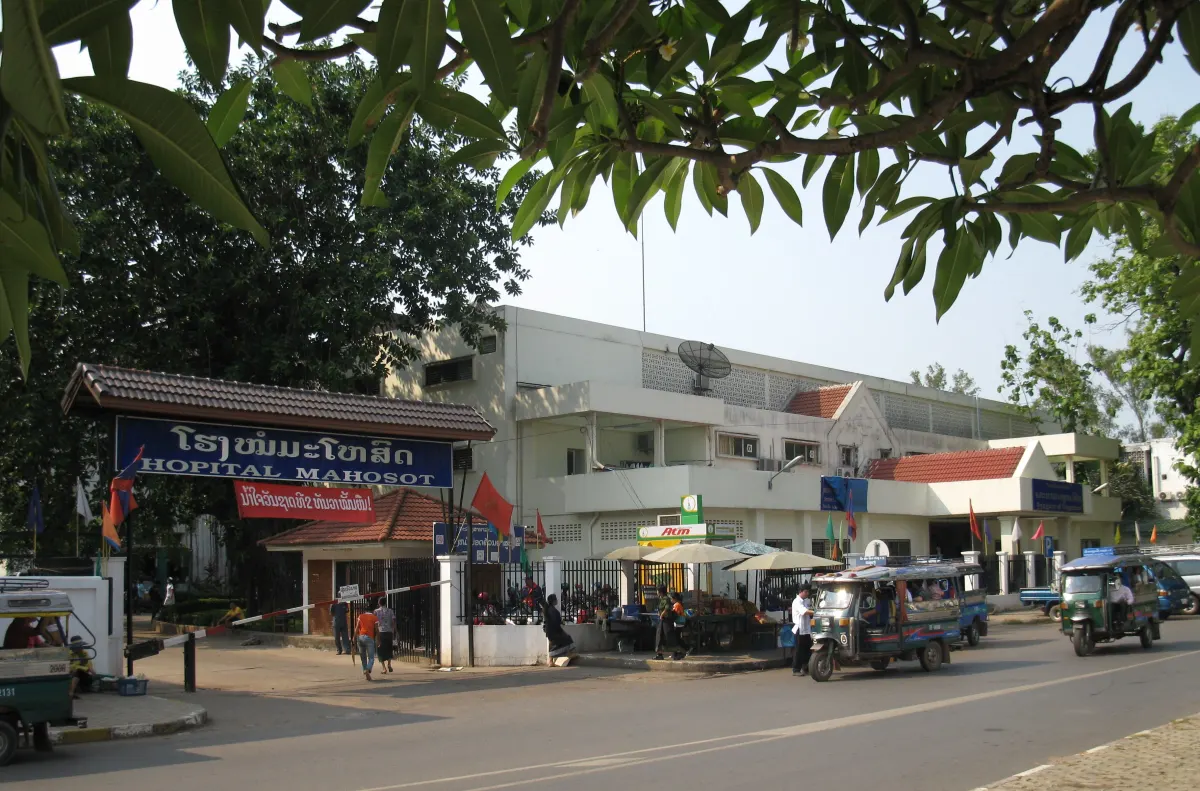
Health care in Laos is basic, and outside Vientiane there's very little for a serious illness or accident: people are often taken across the Mekong to hospitals in Thailand. Good travel insurance is essential.
Insurance and hospitals
- Get travel insurance that covers medical evacuation, and any activities you'll do, such as riding a motorbike, kayaking, tubing and trekking. Evacuation is expensive and hard to arrange.
- In Vientiane, there are international clinics for minor problems. For anything serious, people are usually taken to the hospitals in Udon Thani or Nong Khai, across the border in Thailand. Elsewhere, hospitals are simple, and you may have to pay before treatment.
- Ambulances are scarce. In an emergency, call 1195, or in Vientiane the volunteer rescue service on 1623, and contact your insurer as soon as you can.
Before you go
See a travel health clinic or your doctor at least six to eight weeks before you leave. They'll check your routine vaccinations, and usually recommend hepatitis A and typhoid, and depending on your trip, hepatitis B, rabies and Japanese encephalitis. Bring enough of any medicines you take, in their original packs, with a copy of the prescription.
Mosquitoes: dengue and malaria
- Dengue fever, spread by mosquitoes that bite during the day, is common across Laos, especially in the rainy season. There's no specific treatment. If you get a high fever, see a doctor, and don't take ibuprofen or aspirin.
- Malaria is found in rural areas, especially in the south and along the borders, but rarely in Vientiane and Luang Prabang. Ask a travel clinic whether you need tablets for your route.
- Use repellent with DEET or picaridin, cover up at dawn and dusk, and sleep under a net or in a room with screens.
Animals and rabies
Rabies is found in dogs, cats and monkeys across Laos, and is fatal once symptoms start. Keep away from stray dogs and don't feed or touch animals. If you're bitten or scratched, wash the wound with soap and water for 15 minutes, and get to a clinic the same day for rabies vaccines; you may have to go to Vientiane or Thailand for the full treatment.
Food and water
- Don't drink tap water: drink bottled or filtered water. Wash your hands before eating.
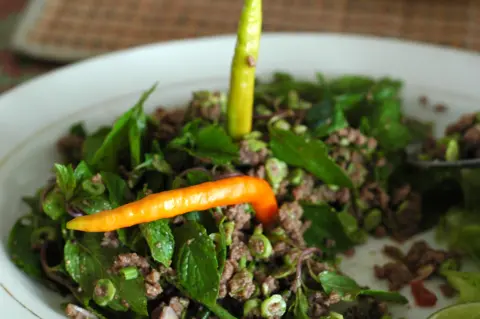
- Raw or undercooked fish, including in some kinds of larb and koi pa, can carry liver flukes, which are common in Laos and cause serious disease years later. Only eat fish that's well cooked.
- Travellers' diarrhoea is common. Bring oral rehydration salts, and see a doctor if it's severe, bloody or comes with a fever.
- Don't swim in still fresh water in the south (including some parts of the Mekong around Si Phan Don), where there's a small risk of schistosomiasis (bilharzia).
Heat, smoke and sun
- March to May is very hot. Drink plenty of water, rest in the middle of the day, and wear sun cream and a hat, especially on the river.
- In the burning season, roughly February to April, smoke from burning fields can make the air in northern Laos very polluted. If you have asthma or heart or lung problems, check the air quality and plan your trip around it.
Pharmacies
Pharmacies are everywhere, and sell many medicines without a prescription, but fake and poor-quality medicines are a problem. Use bigger pharmacies in town, check the packaging, and bring what you need from home.




Comments
No comments yet.