Natural features
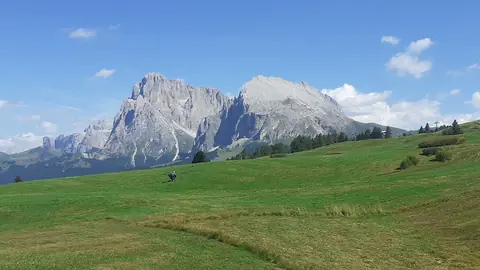
Alpe di Siusi and Seceda, Dolomites
Siusi, South Tyrol
The Alpe di Siusi (Seiser Alm) is Europe's largest high alpine meadow, a rolling plateau of pastures, wooden huts and wildflowers below the jagged pe…
The Alpe di Siusi (Seiser Alm) is Europe's largest high alpine meadow, a rolling plateau of pastures, wooden huts and wildflowers below the jagged pe…
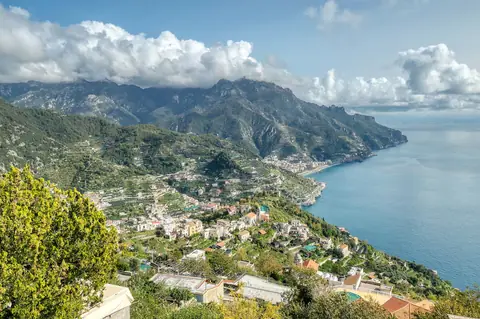
A spectacular stretch of coast south of Naples, where pastel villages cling to cliffs above the sea, linked by a dramatic winding road.
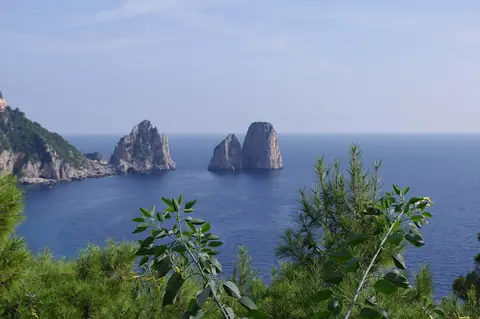
A glamorous island in the Bay of Naples, with dramatic cliffs, the Faraglioni rock stacks and the hilltop villages of Capri and Anacapri.
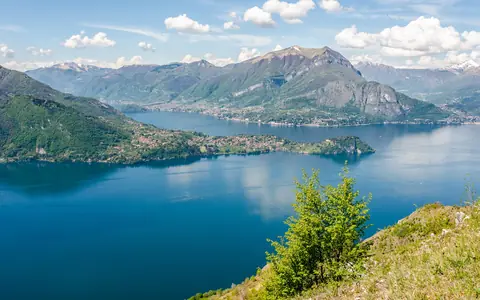
A long, Y-shaped lake surrounded by mountains, lined with elegant villas and gardens.
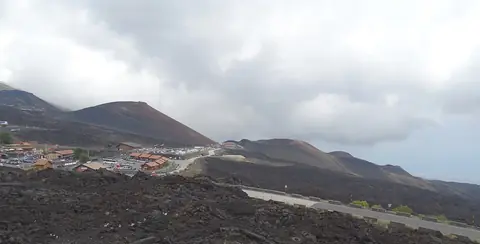
Europe's highest and most active volcano, about 3,300 m, dominating eastern Sicily.
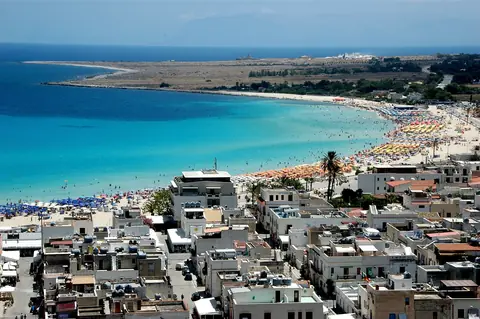
A fishing village on the north-west tip of Sicily with one of Italy's most beautiful beaches: about 3 km of soft white sand and Caribbean-like water,…
A dazzling white cliff of soft marl rock on Sicily's south coast, eroded into the shape of a huge staircase descending into the turquoise sea.
A long beach of fine sand on the east coast of Sardinia, famous for the two red porphyry rock stacks (the Faraglioni di Cea) standing just offshore.
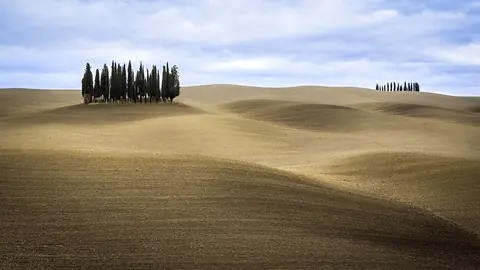
The classic Tuscan landscape of rolling hills, cypress-lined roads, golden wheat fields and hilltop towns, a UNESCO World Heritage Site in southern T…
Palermo's favourite beach, a long curve of white sand and clear turquoise water between Monte Pellegrino and Monte Gallo, with an old fishing village…
The volcano that destroyed Pompeii and Herculaneum in 79 AD, and last erupted in 1944, rising above the Bay of Naples.