
Māori culture and te reo for visitors
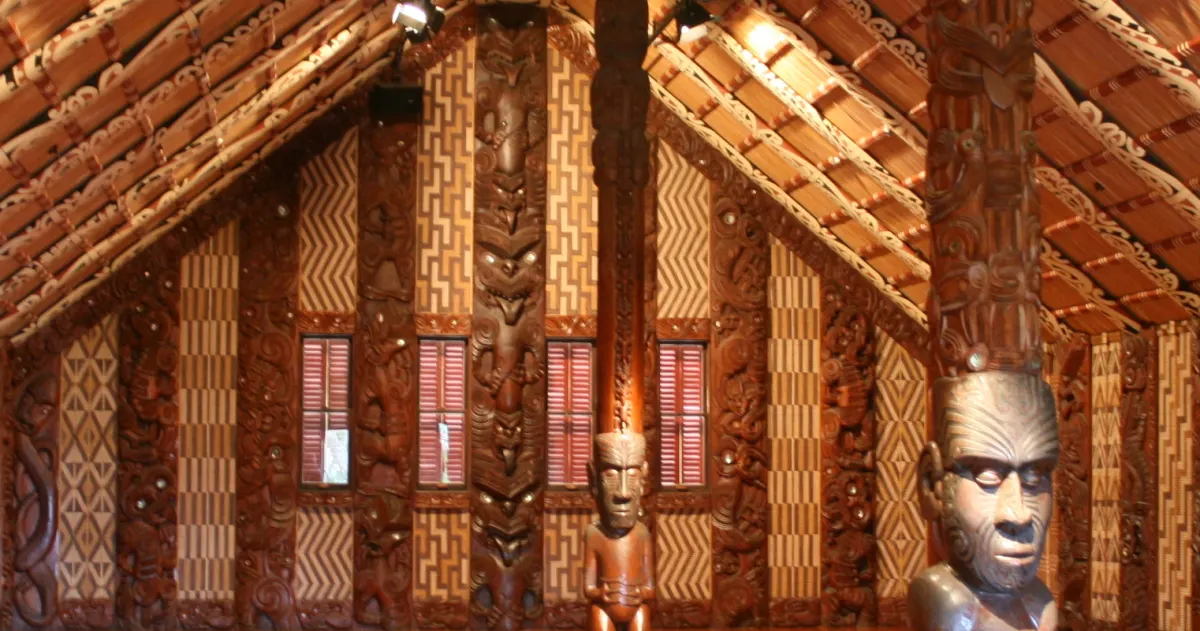
Māori are the tangata whenua, the first people of New Zealand, who arrived by canoe from eastern Polynesia more than 700 years ago and named the land Aotearoa. Today about one in six New Zealanders is Māori, te reo Māori is an official language, and Māori words, place names and customs are part of everyday life. Learning a little before you come makes the country much more interesting, and people appreciate the effort.
Words you'll hear every day
- Kia ora: hello, and also thanks or good health. You'll hear it everywhere.
- Haere mai: welcome. Haere rā: goodbye (to someone leaving). Ka kite anō: see you again.
- Whānau: family, including the wider family.
- Kai: food. Wai: water.
- Aroha: love and compassion. Mana: prestige, authority and respect.
- Tapu: sacred or forbidden. Koha: a gift or donation.
- Ka pai: good, well done. Mahi: work.
- Pākehā: New Zealanders of European descent.
Saying place names
Māori is written as it sounds, and once you know a few rules, place names are easy:
- The vowels sound like those in Italian or Spanish: a as in "car", e as in "bed", i as in "see", o as in "or", u as in "too". A line over a vowel (a macron, as in Taupō) makes it longer.
- Wh is said much like an English "f": Whakatāne is "fa-ka-tah-neh".
- Ng is said as in "singer", even at the start of a word.
- R is a soft, quick tap of the tongue, close to a "d".
- Every syllable ends in a vowel, and each vowel is said: Rotorua is "ro-to-roo-ah", and Aoraki is "ah-o-rah-kee".
Many names describe the place, and a few words help you read the map: roto (lake), awa (river), maunga (mountain), moana (sea), whanga (bay or harbour), motu (island), nui (big) and iti (small). Rotorua means "second lake".
Visiting a marae
A marae is a Māori community's meeting place: an open space in front of a carved meeting house, the wharenui. You might visit one with a cultural tour, at the Waitangi Treaty Grounds or in Rotorua. Visitors are welcomed with a pōwhiri, a formal welcome:
- A woman of the hosts calls the visitors on with a karanga. Walk on slowly as a group, and don't wander off or take photos until you're told you can.
- There may be a wero, a challenge, in which a warrior lays down a token for the visitors to pick up, to show they come in peace.
- Speeches and songs (waiata) follow, then everyone greets each other with a hongi, pressing noses and foreheads together, sharing the breath of life.
- The welcome ends with food, which lifts the tapu of the occasion.
Take your shoes off before going into the wharenui, and don't eat inside it. Don't sit on tables, where food goes, or on pillows, and don't touch anyone's head, which is tapu. Visitors usually give a koha, a donation, as a group.

Bay of Islands and Waitangi Treaty Grounds
The Waitangi Treaty Grounds, where the Treaty of Waitangi was signed in 1840 between the British Crown and Māori chiefs, with museums, a carved meeti…

Te Puia and Whakarewarewa, Rotorua
A geothermal valley with the Pōhutu Geyser, which erupts up to 30 m, boiling mud pools, and the national Māori carving and weaving schools.
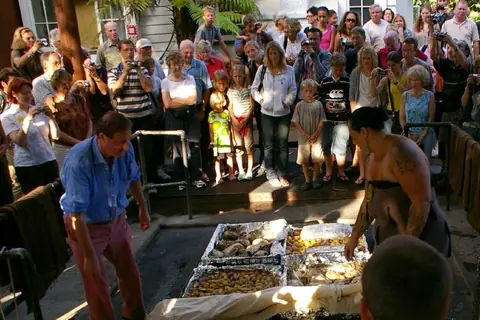
Hāngī (Māori earth oven feast)
The traditional Māori way of cooking for many people: stones are heated in a fire, placed in a pit, then baskets of meat, chicken, pork, kūmara (swee…
Haka, carving and pounamu
- Haka are ceremonial dances, performed to welcome guests, to honour people at weddings and funerals, and before rugby matches. Watch one at a cultural performance in Rotorua, and treat it with respect rather than as a joke to copy.
- Carving and weaving: the carving and weaving schools at Te Puia in Rotorua train new generations of artists, and you can watch them at work.
- Tā moko, Māori tattoo, records a person's whakapapa (ancestry) and is personal. Don't copy designs.
- Pounamu, New Zealand greenstone (jade), is a treasure, traditionally given as a gift rather than bought for yourself. If you buy some, choose New Zealand pounamu from a reputable carver, as cheap imported jade is common.
Where to learn more
The Māori galleries of Te Papa in Wellington and the Auckland Museum are a good start. At Waitangi, where the Treaty of Waitangi was signed in 1840 between the British Crown and Māori chiefs, the museum tells the story of the treaty and what it means today. In Rotorua, Whakarewarewa is a living village where people still cook in the hot springs, and an evening hāngī and concert is the best-known way to taste Māori food.
Two public holidays mark Māori history and culture: Waitangi Day on 6 February, and Matariki, the Māori New Year, in mid-winter (June or July).

Te Papa Tongarewa, Wellington
New Zealand's national museum, with Māori and Pacific treasures, a marae, a colossal squid, the Gallipoli exhibition with giant figures made by Weta …
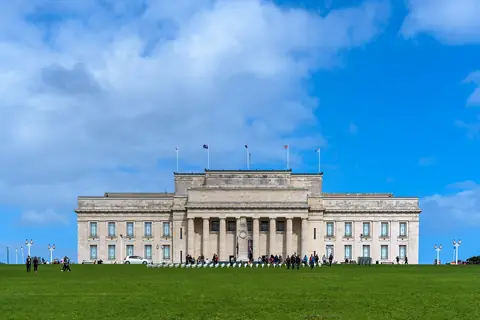
Auckland War Memorial Museum
A grand Neoclassical building on a hill in the Auckland Domain, with one of the world's finest collections of Māori and Pacific treasures.
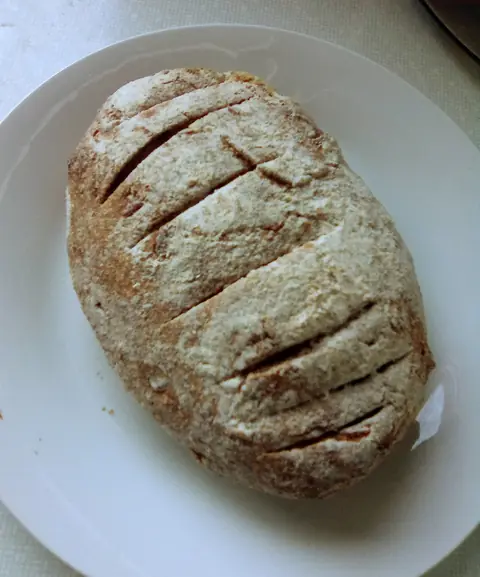
Rēwena bread
Rēwena parāoa is Māori potato bread, made with a sourdough starter (the bug) of fermented potato.
For more Māori words, the online Te Aka Māori Dictionary has their meanings and how to say them.
Comments
No comments yet.