
Safety in the West Bank: Bethlehem, Jericho, Ramallah, Hebron, Nablus and Jenin, roads, checkpoints and protests
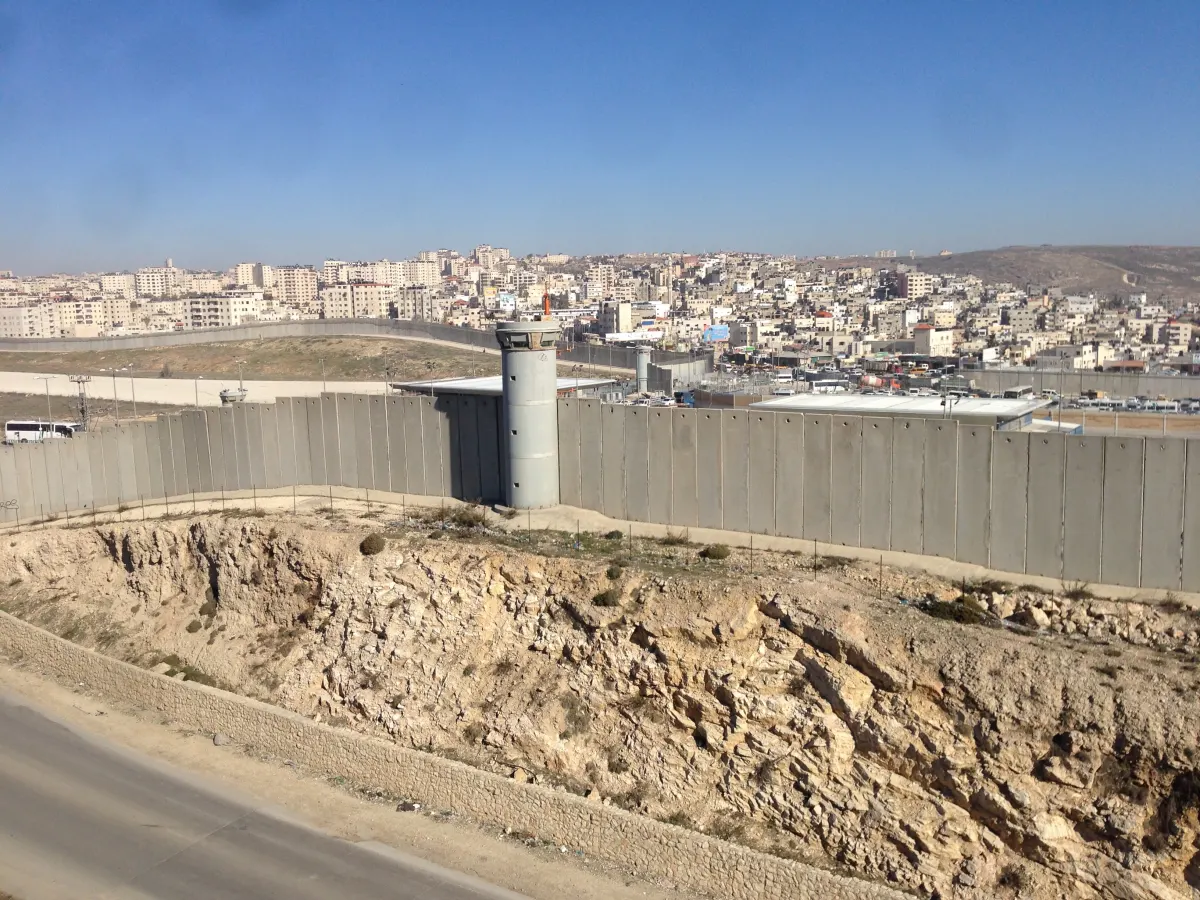
Most governments advise against any travel to the West Bank, and the UK against much of it: see Travel warnings for Palestine. The risks aren't the same everywhere. This is what governments say about each area, as of November 2026, for people who are there, or go anyway.
Bethlehem, Ramallah and Jericho
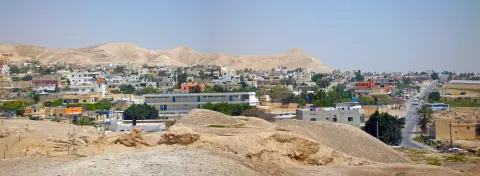
- These are the places most visitors go, many for the day on a tour: the Church of the Nativity in Bethlehem, and Jericho. They aren't under the UK's warning, and it says that there have been no recent reports of serious incidents involving foreigners there, though far fewer tourists come than before October 2023.
- Canada, Australia, New Zealand and Germany do warn against them, and Canada lists all three among the places with frequent military operations.
- Go by day, with a local guide or driver who knows which roads are open, and leave early if anything feels wrong. Christmas and Easter bring crowds, checks and closed roads to Bethlehem.
The north: Jenin, Tulkarm, Tubas and Nablus
- Don't go. The UK advises against all travel to the governorates of Jenin, Tulkarm and Tubas, and to the camps in Jenin and Nablus. Germany says to avoid the north altogether.
- Around Nablus there's violence near settlements and at the junctions of Route 60. The UK advises against all but essential travel there.
Hebron and the South Hebron Hills
- The old city of Hebron is divided. The UK warns of a closed military zone around Shuhada Street and the Ibrahimi Mosque (Tomb of the Patriarchs), known as H2, and of hostile reactions from extremists there.
- In the hills to the south, and around other settlement outposts, visitors have been threatened and attacked. The UK names Beit El, Homesh, Shilo and Evyatar among the places with violence.
Refugee camps
Camps have often been the scene of raids and clashes. Don't go in without someone who knows them and that day's situation, and not after dark.
Roads
- Don't drive after dark. The UK names Route 60, above all the junctions near Nablus, and Route 443, for attacks, and Germany Routes 60 and 458 for settler violence.
- Cars have been stoned, both those with Israeli and those with Palestinian number plates.
- The UK advises against taxis and buses in the West Bank, because of accidents and attacks. Use a driver recommended by your hotel, or a tour company.
- Israeli rental cars usually aren't insured there, apart from Highway 1 to the Dead Sea and Route 90 in the Jordan Valley. Read the contract. A company in East Jerusalem may cover it.
- Never hitchhike. Red signs mark Area A, which is closed to Israeli citizens.
- GPS is often jammed. Carry a map, and ask.
When trouble is more likely
- After Friday prayers, during Ramadan, on Jewish high holidays and on anniversaries: Land Day (30 March), Israel's Independence Day, Nakba Day (15 May), Jerusalem Day and 7 October.
- During the olive harvest, in October and November, when the UN has recorded many attacks on farmers and others in the groves.
- If shops start to close their shutters, go.
If something starts
- Get indoors, keep away from windows, and stay until the local authorities say that it's over. Don't go out to watch or film.
- Keep away from all demonstrations: tear gas, rubber bullets and live fire are used.
- There are no sirens for missiles outside Israeli settlements. Follow the alerts on your phone, go to the middle of a building, and never touch fragments.
- If you take part in protests, or go with activists to farms and villages, you're at much greater risk of being hurt, arrested and deported.
East Jerusalem and the Old City
Clashes happen near Damascus Gate, Herod's Gate, Lion's Gate and the Chain Gate, above all after Friday prayers and in Ramadan, and gates may be closed. See Visiting holy sites in Jerusalem.
Emergency numbers
Police 100, ambulance 101, fire 102.

Comments
No comments yet.