
Palestine: practical facts about laws, dress, photos, money, health, phones and insurance
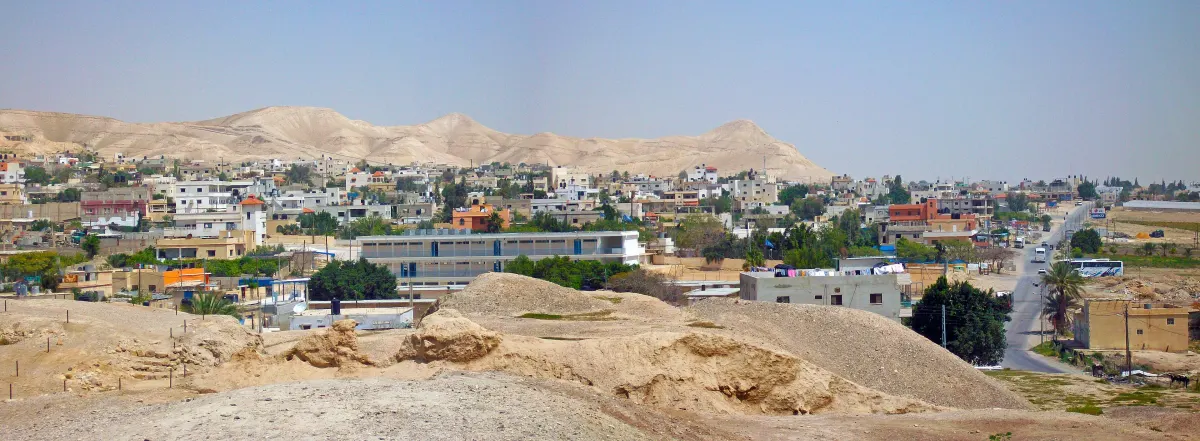
Read Travel warnings for Palestine first: most governments advise against travel to the West Bank, and all against Gaza. These are the practical facts as of November 2026.
Laws and who enforces them
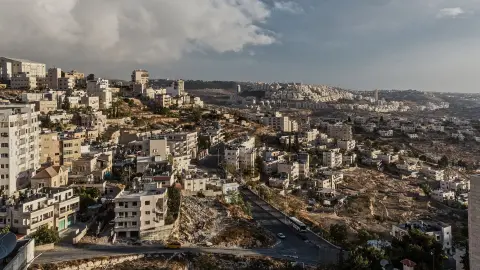
- The West Bank is divided into areas under Palestinian or Israeli control, or both, and you may deal with the police or soldiers of either. Israel applies its own law in East Jerusalem.
- Carry your passport and entry card at all times.
- Drugs: prison. Palestinian law has the death penalty for some crimes.
- In Gaza, alcohol and same-sex relations are illegal.
- In the West Bank, the UK and Canada say that same-sex relations are legal, and Germany that those between men are punishable. They're taboo all the same: don't show affection in public.
Dress and customs
- Cover your shoulders, upper arms and legs to below the knee, and women should have a scarf for mosques. Shorts stand out everywhere but in hotels.
- Most people are Muslim, and there are old Christian communities in Bethlehem, Beit Jala, Beit Sahour and Ramallah. Friday is the day of rest for most, and Sunday for many Christians.
- In Ramadan (expected from about 7 February 2027), don't eat, drink or smoke in public by day.
- Alcohol is sold in some places, mostly Christian towns and Ramallah. Don't drink in public.
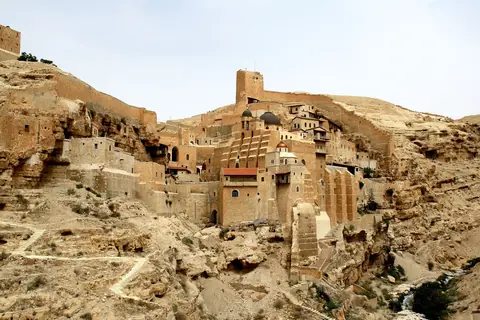
- Some holy sites have rules of their own: at Mar Saba monastery only men may enter.
Photos, phones and social media
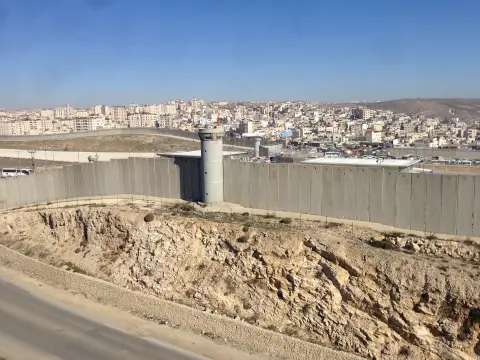
- Never photograph soldiers, police, checkpoints, the barrier near guard posts or military sites. Ask before you photograph people.
- Don't film or post pictures of attacks or damage.
- Canada warns that posts on social media seen as false or sensitive, including political opinions, can lead to detention or the loss of permits, and that phones are searched at checkpoints.
- Both Israeli and Palestinian networks cover the West Bank. A plan for Israel may charge roaming, or stop, in Palestinian towns, so check with the company. See Phones and apps for Israel.
Money
- There's no Palestinian currency. Israeli shekels are used every day, and Jordanian dinars and US dollars are accepted.
- Towns have ATMs, though they may not take your card, and the banks are fragile. Carry enough cash in shekels, in small notes, for the day and for a night if you get stuck.
- In Gaza there are no working banks or ATMs, says Canada.
Health
- Canada calls care in the West Bank adequate, but medicines are short, and Australia warns that hospitals may be out of reach when roads close. Ambulances are held up at checkpoints. Jerusalem has good hospitals.
- In Gaza there may be no working hospital.
- Hospitals want payment, by card or in cash, and can be expensive. Take your medicines and prescriptions with you.
- Drink bottled or boiled water. Ask a travel clinic about hepatitis A, typhoid, rabies and polio. West Nile virus occurs, so use insect repellent.
Landmines
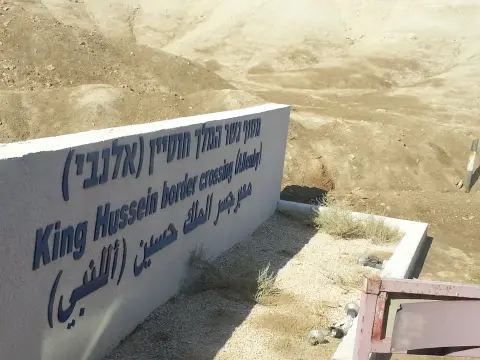
There are mines near the borders, including parts of the Jordan Valley, and New Zealand warns that some in the West Bank aren't marked. Stay on used roads and paths, and keep out of fenced and signed areas, which may also be firing ranges.
Weather and nature
- Summers are hot, above all in Jericho and at the Dead Sea, with temperatures of 40°C or more. Winters in the hills are cool and wet, and it sometimes snows in Hebron, Ramallah and Bethlehem.
- Flash floods in the desert valleys can kill, even far from the rain.
- Along the Dead Sea, sinkholes open without warning: stay on marked paths and beaches.
- It's an earthquake zone.
Insurance
Make sure that your policy names the West Bank or Palestine, and covers war, medical evacuation and being stuck by closures. If your government advises against the place you're in, ordinary policies won't pay.

Comments
No comments yet.