
Driving in Sweden: winter tyres, moose, tolls and congestion tax, speed limits, licences and camper vans
Roads are good, wide and mostly empty, and drivers are calm. The two things to take seriously are winter and animals. Tolls bill you by themselves.
Licence
- A licence from the EU, EEA, Switzerland or the UK is fine.
- Others are good for a visit if the licence is valid at home and is in English, German or French, or follows the international model. If not, bring an international driving permit as well as the licence itself.
- Hire firms usually want 20 or 21, a licence held for a year, and a credit card.
The rules
- Alcohol: the limit is 0.2 g per litre, which one drink can break. The police test everybody at a stop, and prison is possible.
- Speed: 30 to 50 km/h in towns, 70 to 100 on country roads, 110 to 120 on motorways. Read the signs, as they change often. There are cameras everywhere, with a warning sign before each.
- Phones in the hand are banned, with a fine of 1,500 kronor.
- Headlights are on all day, all year. Seat belts on every seat.
- Give way to the right where there's no sign, and always to people on a crossing.
- On roads with a wide hard shoulder, slower cars move over to let you pass. On a 2+1 road, wait for your two lanes.
Winter tyres
- From 1 December to 31 March, when there's snow, ice, slush or frost on any part of the road, cars, camper vans and light trailers must have winter tyres. It goes for foreign cars as well.
- They must be studded, or carry the Alpine symbol (a snowflake in a mountain with three peaks). M+S alone isn't enough any more for a car. The tread must be at least 3 mm.
- Studs are allowed from 1 October to 15 April, and longer if the road is icy. If the car has them, so must the trailer. A few streets in Stockholm and Gothenburg ban them.
- Hire cars have them in winter. In the north, ask for studded tyres.
- Carry a scraper, a torch, warm clothes and a charged phone. Plug the car in where there's a socket and it's below −15°C, and keep the tank over half.
Elk, deer and reindeer
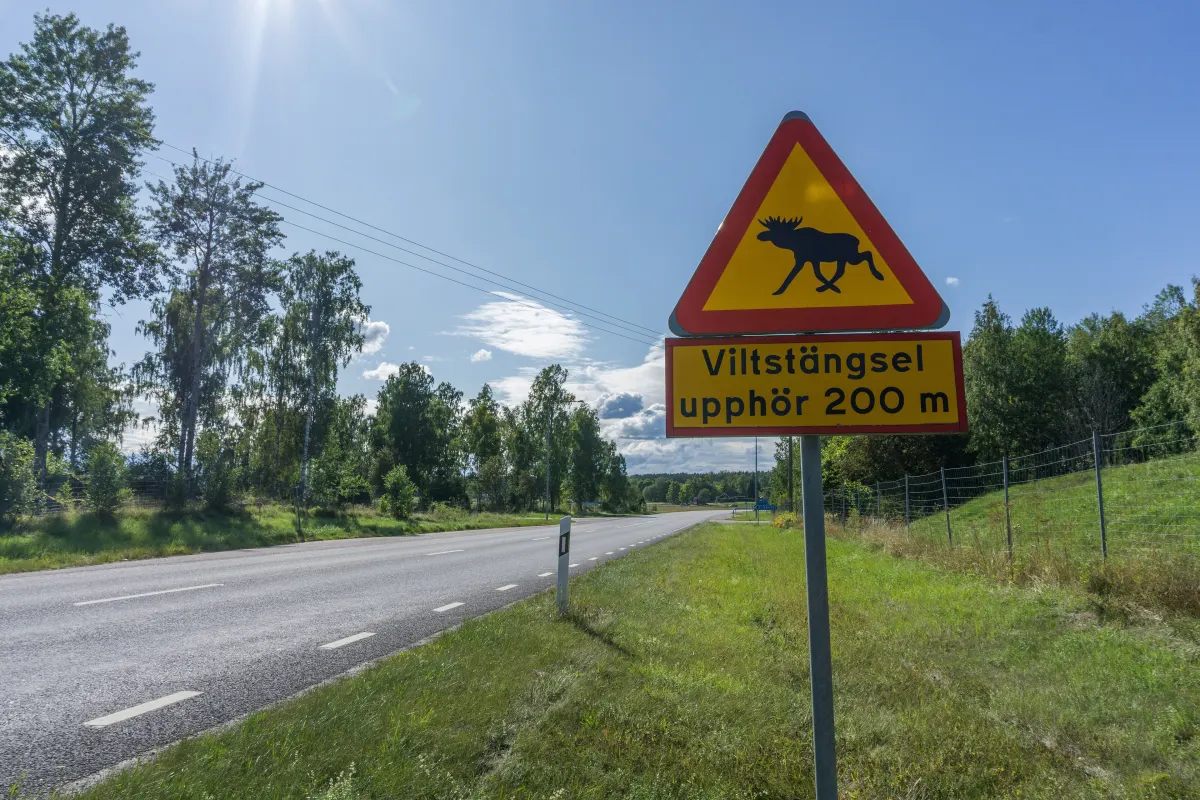
- An elk (älg, a moose) weighs up to 500 kg, and comes through the windscreen. There are thousands of crashes with animals every month, most with deer. Dawn, dusk and the autumn are worst.
- Where you see the triangle, slow down and watch the verges. Where there's one there's often another. Brake, and steer behind it.
- Reindeer stand on the road in the north, in herds. Stop, wait, don't hoot.
- If you hit an elk, deer, reindeer, bear, wolf, boar or other big animal, you must report it, even if it runs off. Ring 112. Put on the warning lights, set out the triangle, and mark the place with a bag or a ribbon, so that a hunter can find it.
Congestion tax
- Stockholm: 11 to 45 kronor each time you drive in or out of the centre or along the E4 at Essingeleden, from 6 am to 6.30 pm on weekdays. At most 135 a day in the high season (1 March to the day before Midsummer Eve, and 15 August to 30 November), and 105 otherwise.
- Gothenburg: 9 to 22 kronor, at most 60 a day. If you pass several points within an hour, you pay once.
- Neither charges at weekends, on public holidays, or in July (in Stockholm the first five weekdays of July do count).
Bridges
- Öresund Bridge to Denmark: a car up to 6 m is 470 Danish kroner at the toll, 420 online. A yearly ØresundGO contract costs 370 and makes each crossing 182, so it pays from the second trip. Longer vans pay double.
- Small charges at Motala, Sundsvall and Skurubron (east of Stockholm).
- The bridge to Öland and the High Coast bridge are free, and there are no tolls on motorways.
How you pay
You never stop, except at the Öresund. Cameras read the plate. For a foreign car the bill comes from EPASS24: register there, and pay on time, as a late payment adds 500 kronor. For a hire car it goes to your card weeks later, often with a fee.
Parking
- Use an app, such as EasyPark, or a card machine. Wardens are keen.
- Not within 10 m of a crossing or junction, and not facing the traffic.
- Read the small sign for street cleaning: one night a week there's no parking, to clean or plough.
- A P disc (P-skiva) is needed in many free places.
Camper vans
- Driving off the road is illegal everywhere: on grass, beach, forest floor and bare ground. The right of public access is for tents and feet, not for cars, vans or roof tents.
- You can stop at rest areas, generally for up to 24 hours on weekdays and longer at weekends. The sign decides. Ask before you stop near a house.
- Marinas and villages have paid places (ställplats) with water and a dump point.
Distances
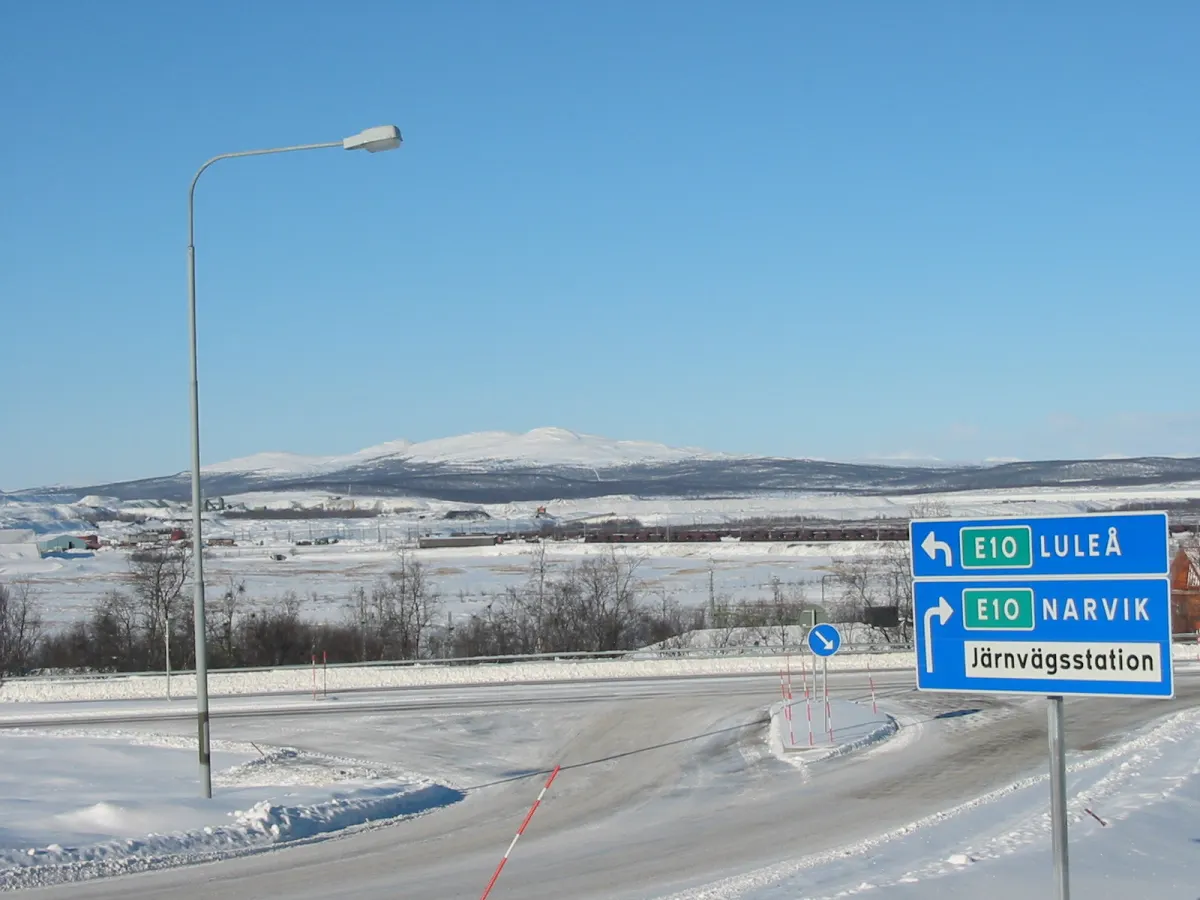
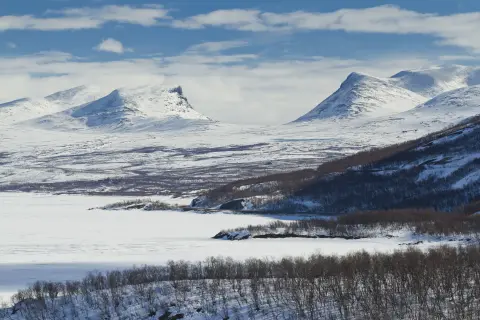
In the north, fill up at every town: it can be 100 km to the next pump, and many are unmanned, for cards only. Chargers are plentiful along the E4 and thin inland. The E10 from Kiruna by Abisko to Norway sometimes closes in storms, or opens in a convoy behind a plough: see Trafikverket.
See also Gothenburg and the west coast.

Kalmar Castle and Öland
A Renaissance castle on the water in Kalmar, one of the best preserved in Scandinavia, where the Kalmar Union of Denmark, Norway and Sweden was signe…

Comments