
A week from Gothenburg up the west coast: the archipelago, Marstrand, Smögen, Fjällbacka, Tanum and Koster
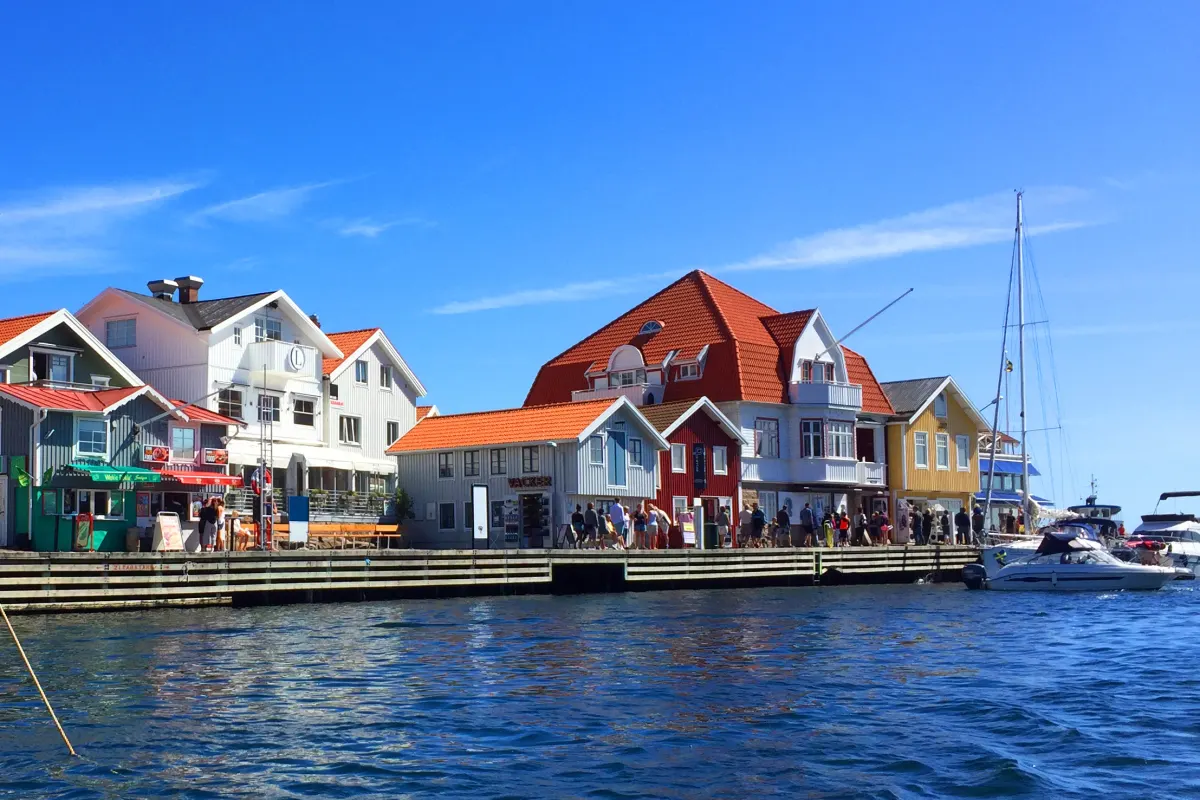
Pink granite, red boathouses, and the best shellfish in Sweden. Bohuslän runs from Gothenburg to the Norwegian border, about 160 km as the crow flies and many times that by the shore. A car is easiest, but it can be done without.
Map of the route
Tram to Saltholmen, about 11 km
Boat from Saltholmen to Vrångö and Styrsö, about 11 km
Gothenburg to Marstrand, about 48 km
Ferry to Marstrand, about 1 km
Marstrand to Smögen by Tjörn, Orust and Uddevalla, about 212 km
Smögen to Fjällbacka, about 39 km
Fjällbacka to Strömstad by Tanum, about 50 km
Boat from Strömstad to Koster, about 10 km
Click a dot for the place. Labels show the days. The dashed lines are boats. Distances are approximate. Route from OpenStreetMap (© OpenStreetMap contributors, ODbL).
Before you go
- When: June or mid-August to mid-September. In July it's full of Swedes and Norwegians, rooms cost double, and there's a queue for ice cream. In winter most of it is shut, and it's beautiful. Lobster season opens in late September.
- Car: don't have one in Gothenburg, where there's a congestion tax on weekdays. Collect it on day 3. The yellow road ferries on the way are free. See Driving.
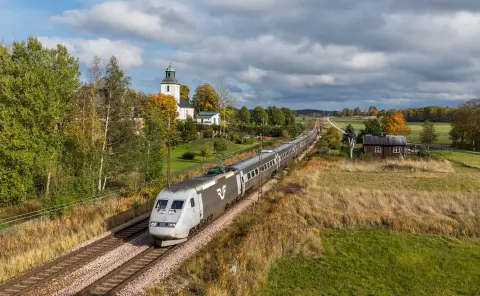
- Without a car: a train runs from Gothenburg to Strömstad (about 3 hours), and Västtrafik buses to Marstrand, Smögen and Fjällbacka, some only in summer or a few times a day. Västtrafik's 30-day summer ticket covers the whole region.
- Gothenburg Central's new underground platforms open on 13 December 2026, and the Uddevalla line, towards Strömstad, is to move there in spring 2027. Look at the board.
Day 1: Gothenburg
Walk the canals and the wooden streets of Haga, with a cinnamon bun as big as a plate. See the fish hall, Feskekôrka, the art museum at Götaplatsen, and Slottsskogen park. Gothenburg eats as well as Stockholm for less.

Gothenburg and its Archipelago
Sweden's second city, with canals, a lively food scene, and Liseberg, Scandinavia's largest amusement park, especially magical at its Christmas market.
Day 2: The southern islands
Tram 11 to Saltholmen and a boat, all on a city ticket. Go to the far one, Vrångö, with paths both ways round a nature reserve, and come back by Styrsö. No cars, so watch for the carrier mopeds. In the evening try Liseberg if you like rides, open from late April to October and for Christmas.
Day 3: Marstrand
An hour's drive or bus to Koön, and a ferry of a few minutes to Marstrand, an island of white wooden houses with no cars. Carlsten fortress stands on top, and a path goes round the outside over bare rock in about an hour and a half. Sailors race here in July. Stay the night if you can afford it.
Day 4: Tjörn and Orust to Smögen
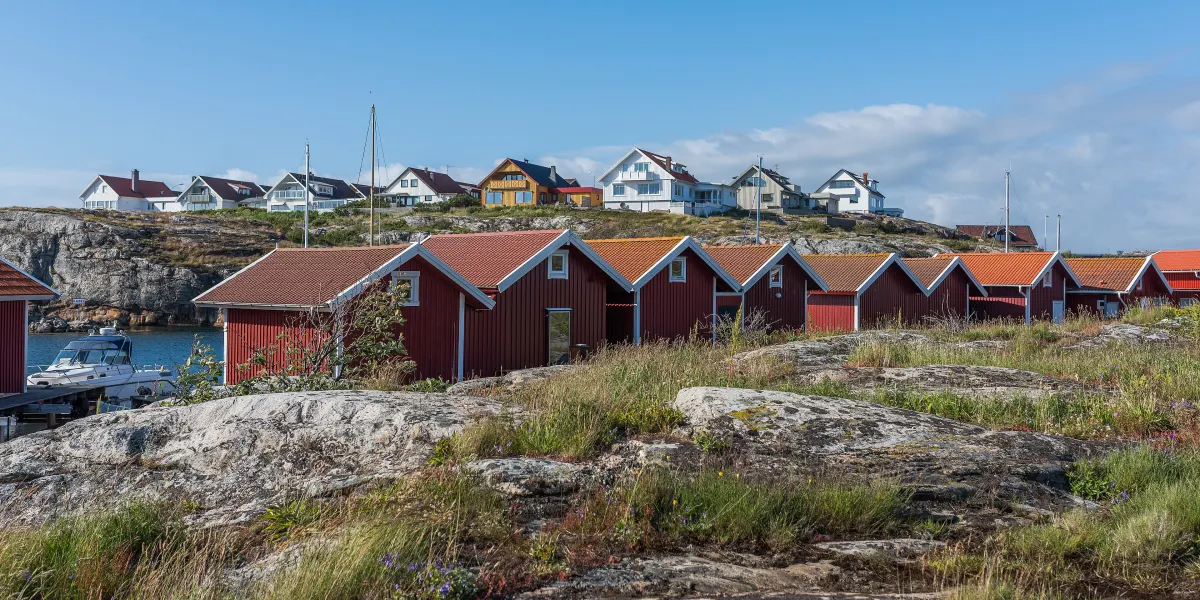
A long, winding day, about 210 km, so start early. Drive across the two big islands by bridges: Skärhamn has the Nordic Watercolour Museum, and Mollösund is a real fishing village. Then round by Uddevalla or the free ferries to Smögen, with its long wooden quay of old boathouses. Buy prawns, and eat them on the rocks. The salt-smooth granite at Ramsvikslandet, near Hunnebostrand, is quieter.
Day 5: Fjällbacka
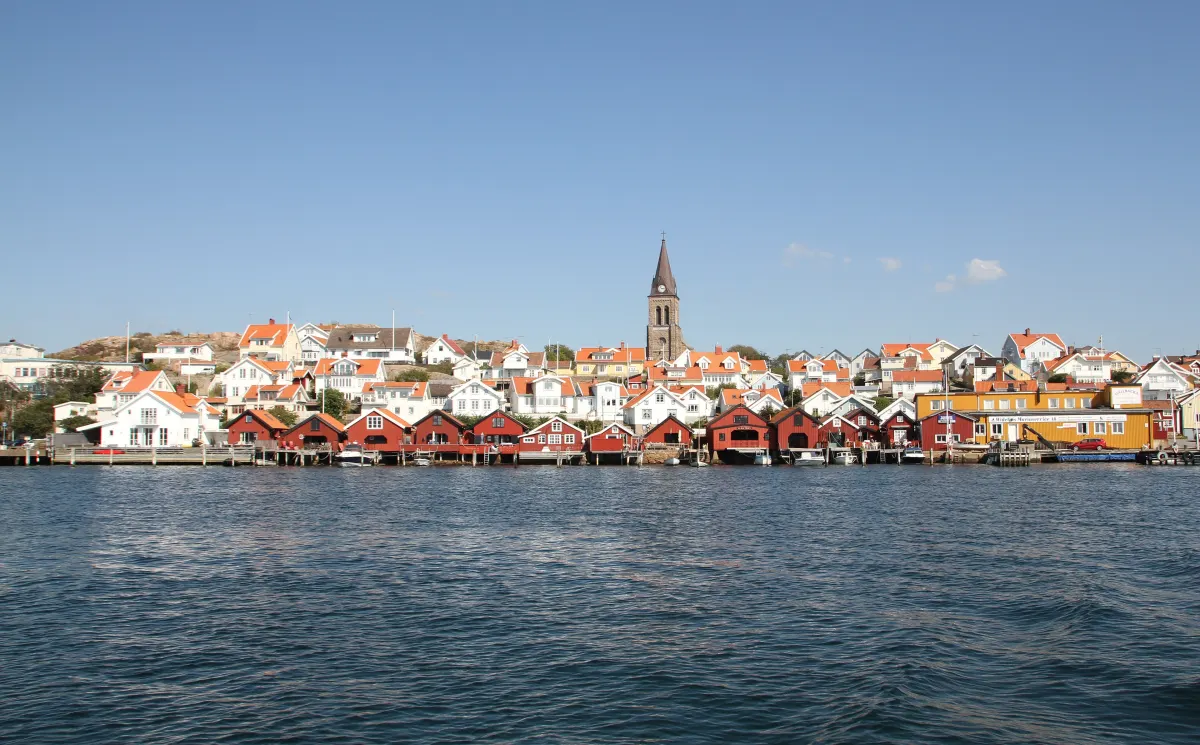
A pretty town under a split cliff. Climb the steps through Kungsklyftan, where boulders are wedged overhead, to the view. Ingrid Bergman spent her summers here, and it's where a famous crime writer sets her murders. In season boats go to the Weather Islands (Väderöarna), with seals and an inn.
Day 6: Tanum and Strömstad
The rock carvings at Tanum are a World Heritage site: ships, hunters, dancers and lovers cut 3,000 years ago. The best is at Vitlycke, with a museum across the road and a Bronze Age farm. Go in low light, when they show. On to Strömstad, and leave the car by the harbour: no cars go to Koster.
Day 7: Koster
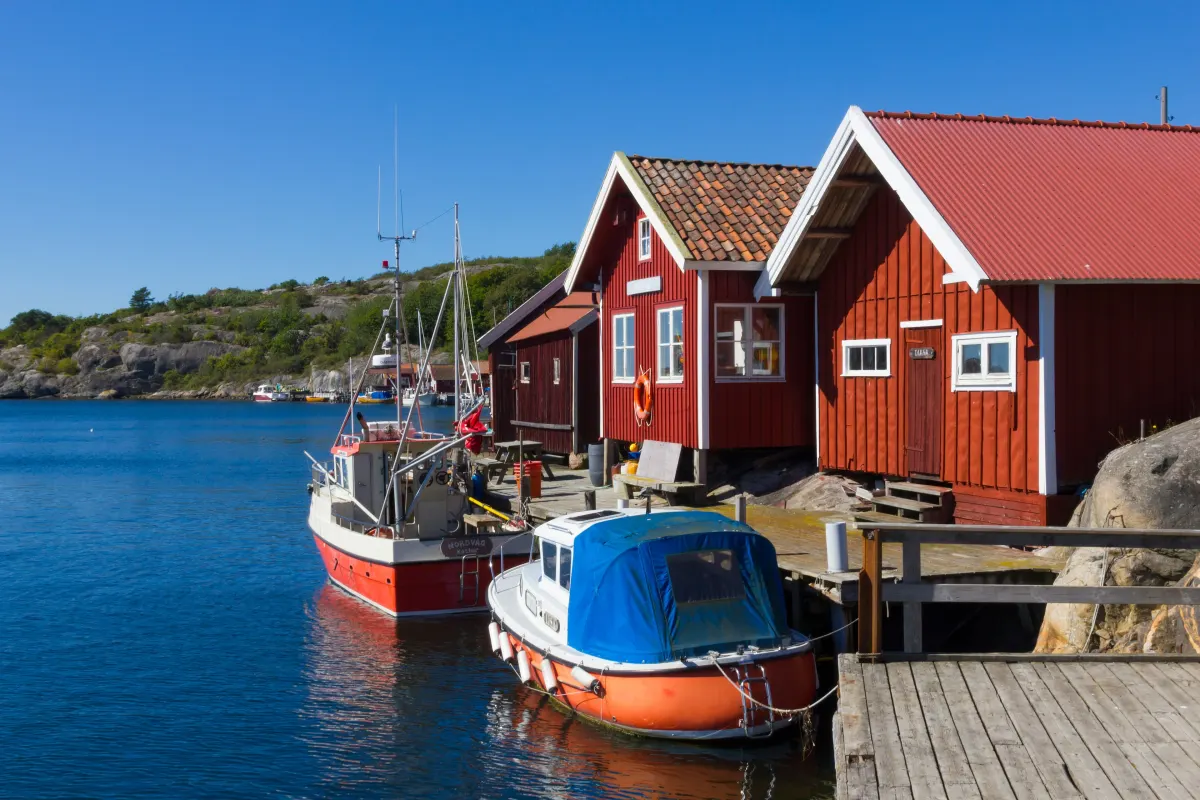
The Koster boat takes 30 to 60 minutes. Hire a bicycle at the jetty on South Koster, go over the hill at Valfjäll for the view, and swim at Rörvik. A cable ferry crosses to wild North Koster in summer. The sea round it is Kosterhavet, the first marine national park in Sweden, with a visitor centre at Ekenäs. Stay a night: evenings are the best of it.
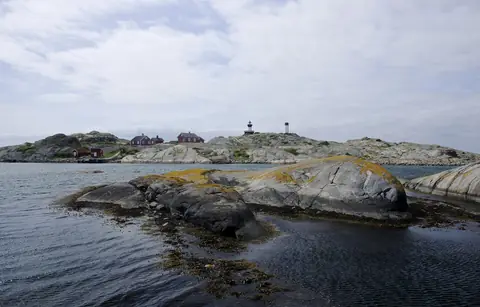
Kosterhavet National Park
Sweden's first marine national park, around the car-free Koster Islands, with cold-water coral reefs, seals and the richest marine life in Sweden.
On from there
- The train back to Gothenburg, or a ferry to Sandefjord in Norway, or Oslo by bus in about two hours.
- Dalsland, inland, has lakes and a canal, for canoes.
- South of Gothenburg the coast is sand: Tylösand, Varberg with its bath house and fortress, and the Kattegattleden cycle path all the way to Helsingborg.
Comments