
Travel warnings for Yemen: war, kidnapping and why every government we checked says don't go or leave now
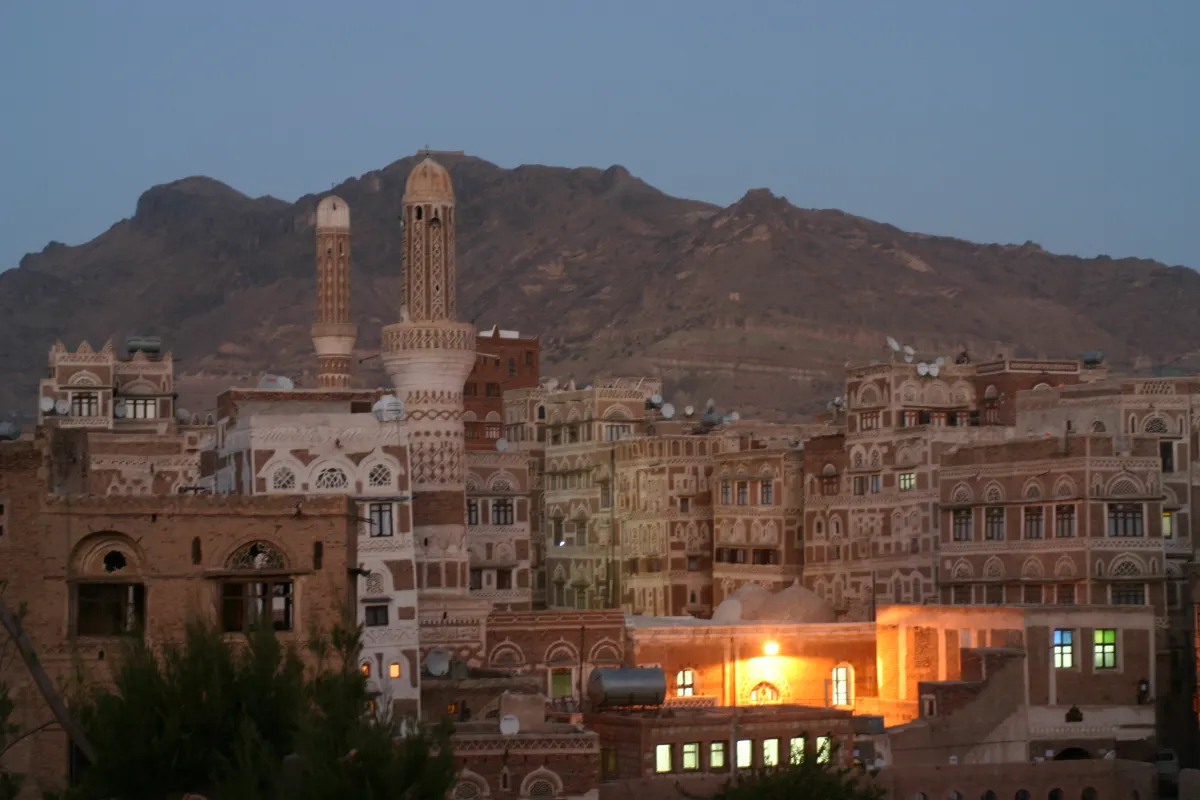
Yemen is at war, and the fighting has grown much worse since the summer of 2026. Every government we checked says not to go to any part of Yemen, and most tell their citizens who are there to leave. Socotra isn't an exception: see Socotra: what governments say. This article sums up the advice as of 24 November 2026. It's changing from week to week.
What governments advise
- UK (gov.uk, updated 18 November 2026): advises against all travel to the whole of Yemen. "If you're in Yemen, you should leave immediately."
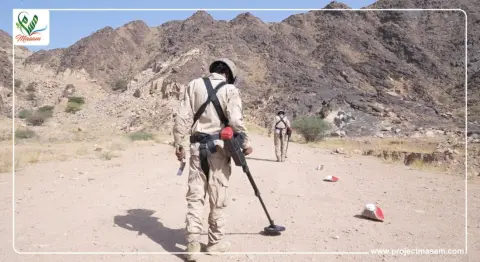
- USA: Level 4, Do not travel to any part of Yemen, including Socotra (advisory reissued in October 2026), because of terrorism, unrest, crime, health, kidnapping and landmines.
- Canada (travel.gc.ca, updated 13 October 2026): Avoid all travel, including Socotra, and leave if it's safe to do so.
- Australia (Smartraveller, updated 23 October 2026, still current on 24 November): Do not travel, including Socotra, and leave if it's safe to.
- New Zealand (SafeTravel, updated 22 May 2026): Do not travel.
- Germany (Auswärtiges Amt, changed 29 October 2026): a formal travel warning, including Socotra, and a call to all Germans to leave.
- France (France Diplomatie, pages of 10 and 15 September 2026): the whole country is formally advised against, including the islands and Socotra, and it says to avoid even changing planes in Sana'a.
The war
- The Houthis hold Sana'a and much of the north and west. The internationally recognised government is based in Aden. A truce that had mostly held since 2022 broke down in July 2026.
- Heavy fighting between them has gone on since late September, and Saudi Arabia joined in on the government's side in early October, says Germany. Canada names Marib, Al Jawf and Taiz as the worst areas, and says front lines can shift with little warning.
- In mid-November the government withdrew from the coast near the Bab el-Mandeb Strait, and the Houthis moved to about 100 km from Aden, Reuters reported on 16 November. Later reports put them closer.
- Saudi air strikes hit Hodeidah again on 21 November, and the Houthis say that there have been thousands of strikes across the country. The Houthis have fired missiles and drones at targets in Yemen and Saudi Arabia: see Travel warnings for Saudi Arabia.
- Airports, ports, power and fuel sites and cities can be hit anywhere. If you're warned of an attack, get into a solid building, underground or low down, or into an inner room without windows, says Australia.
Kidnapping and detention
- The UK describes a very high and constant threat of kidnap across the country. Tribes and criminals may sell their captives to Al-Qaida in the Arabian Peninsula, which has murdered hostages. France says that more than 200 foreigners have been kidnapped in fifteen years.
- Canada says the risk is highest on the road between Sana'a, Taiz and Aden.
- The Houthis have detained foreigners, including aid workers. They call the UK and the USA hostile states, and the UK warns of an especially high risk of detention. Arbitrary detention is widespread.
- Yemen doesn't recognise dual nationality. Dual nationals may get no help from their other government, and may have to do national service, says Australia. People of Yemeni origin are targets too.
Terrorism and crime
- Attacks are very likely, says the UK. Al-Qaida in the Arabian Peninsula and Islamic State are active, above all in Abyan, Marib, Hadramawt and Shabwah.
- Weapons are everywhere. Carjacking, armed robbery and extortion are common.
Hunger and shortages
Food, water, fuel, power and medicine are short, and parts of the country are in famine, says Canada.
No embassies
- The British, US and French embassies are closed, and Canada and Australia have none. The UK says that it can't evacuate anyone.
- From outside: British Foreign Office (24 hours) +44 20 7008 5000; Australian Consular Emergency Centre +61 2 6261 3305; US citizens [email protected].
If you're there now
Leave if you can do so safely. If you can't, stay in a safe place with food, water and medicines, move as little as possible, and vary your routes. See Entering and leaving Yemen.


Comments
No comments yet.