
Yemen: landmines, laws, photos, money, sanctions and health, for those who have to be there
Every government we checked says not to go to Yemen, and to leave if you're there: read Travel warnings for Yemen first. These are the practical facts for people who have to be there, as of November 2026.
Landmines
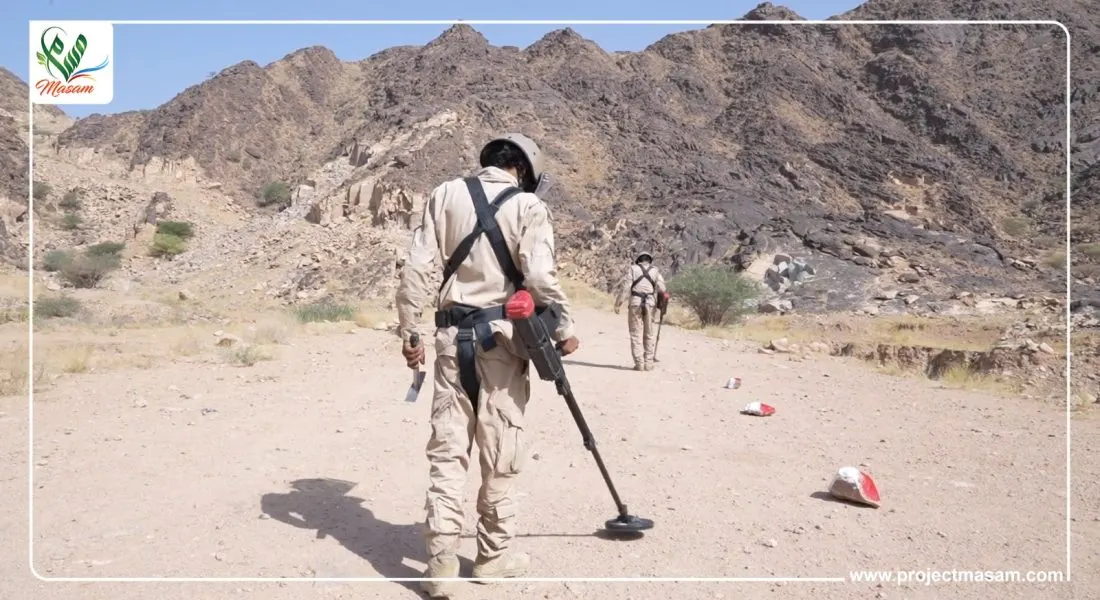
- Mines and unexploded weapons are a danger in much of the country. Australia names the central highlands, the south and east, and especially around Aden and Sa'ada.
- Germany names the main road from Aden to Sana'a as far as Al-Anad, the coast roads east of Aden and west of Mukalla, and Bir Ali, and new minefields wherever there's fighting. Front lines have moved this autumn, so new areas may be mined.
- Stay on paved roads that are in use. Don't walk or drive off them. Canada says that most mined areas are marked, and Germany that their positions aren't all known.
- Never touch anything that looks like a weapon or a piece of one, including bits of missiles and drones.
Roads
- Don't travel by road without expert local advice. Never at night. If you have to, Canada says to go in a convoy of four-wheel drives with an experienced guide, and to carry fuel, water and food.
- Checkpoints are run by soldiers and by militias. You may need permission to leave Sana'a and other cities. Carry your passport and copies.
- After an accident with injuries you can be jailed, and have to pay compensation.
Photos
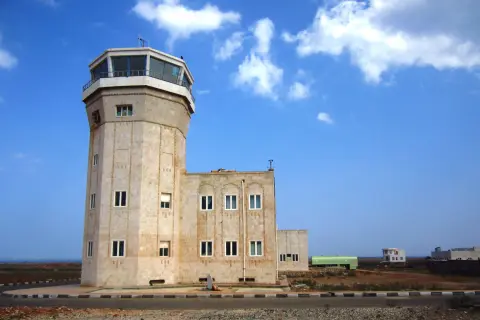
- It's illegal to photograph military sites, soldiers, weapons, government buildings, airports, the homes of important people and holy sites. They may not be marked. It's likely to end in arrest, says the UK.
- Don't film or post pictures of strikes or damage. Ask before you photograph anyone, above all women.
Laws and customs
- Yemen's law is Islamic law. Leaving Islam or promoting another religion, adultery and same-sex relations can carry the death penalty. Dozens of people were reportedly sentenced to death or prison in the north for homosexuality in early 2024.
- Unmarried couples may not share a home.
- Alcohol in public is illegal, with lashing as a possible punishment, and so is being drunk anywhere in public. Eating or selling pork is illegal.
- Dress: loose clothes that cover at least to the elbows and below the knees, for men too. Women should have a headscarf with them at all times. Avoid slogans and political symbols.
- In Ramadan (expected from about 7 February 2027), don't eat, drink or smoke in public in daylight.
- If you're sexually assaulted, you could be prosecuted yourself, Australia warns.
Money
- The currency is the Yemeni rial. It has been worth very different amounts in the areas of the two sides, and notes from one may not be accepted in the other.
- It's a cash economy. Only a few big hotels take cards, and there are few ATMs. US dollars are the easiest to change.
Sanctions
The Houthis and others in Yemen are under United Nations and national sanctions, and several governments, including the USA, list the Houthis as a terrorist group. Paying them fees or dealing with them can be a crime at home. Check your government's sanctions page first.
Health
- Hospitals are few, short of staff and medicines, and often want cash in advance. For anything serious you'd need to be evacuated, which is hard to arrange.
- Cholera is always present, with repeated outbreaks. Drink only safe bottled or boiled water, and eat hot, cooked food.
- Malaria is a high risk in most of the country all year, and there's dengue: protect yourself from bites, and ask about tablets. There's polio, MERS (keep away from camels) and schistosomiasis (don't swim in fresh water).
- See a travel clinic at least eight weeks before, and take all your medicines with you.
- Sana'a lies at about 2,200 m, which can be hard on people with heart or lung trouble.
Weather
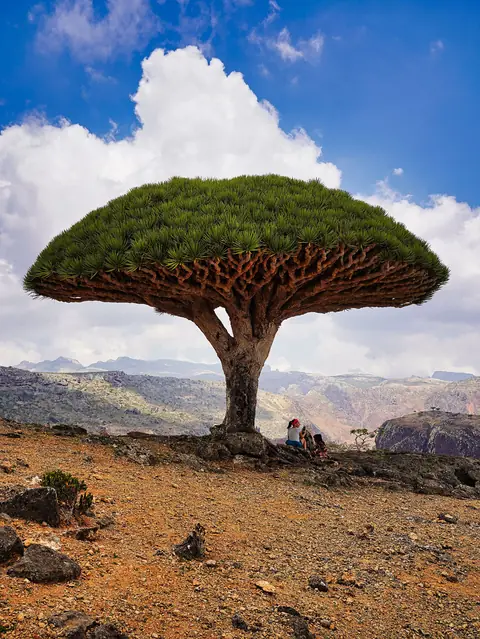
Heavy rain can cause flash floods in the mountains and wadis, mostly between April and September. Cyclones sometimes hit the coast and Socotra, and dust storms are common in summer.
Emergency numbers
- Police: 199 or 194
- Ambulance and fire: 191
The UK says that the emergency services are very limited and unreliable. It may be better to get to a hospital yourself.

Comments
No comments yet.