
Heat, health and weather in Bahrain: month by month, humid summers, dust, the sea, water, doctors and insurance
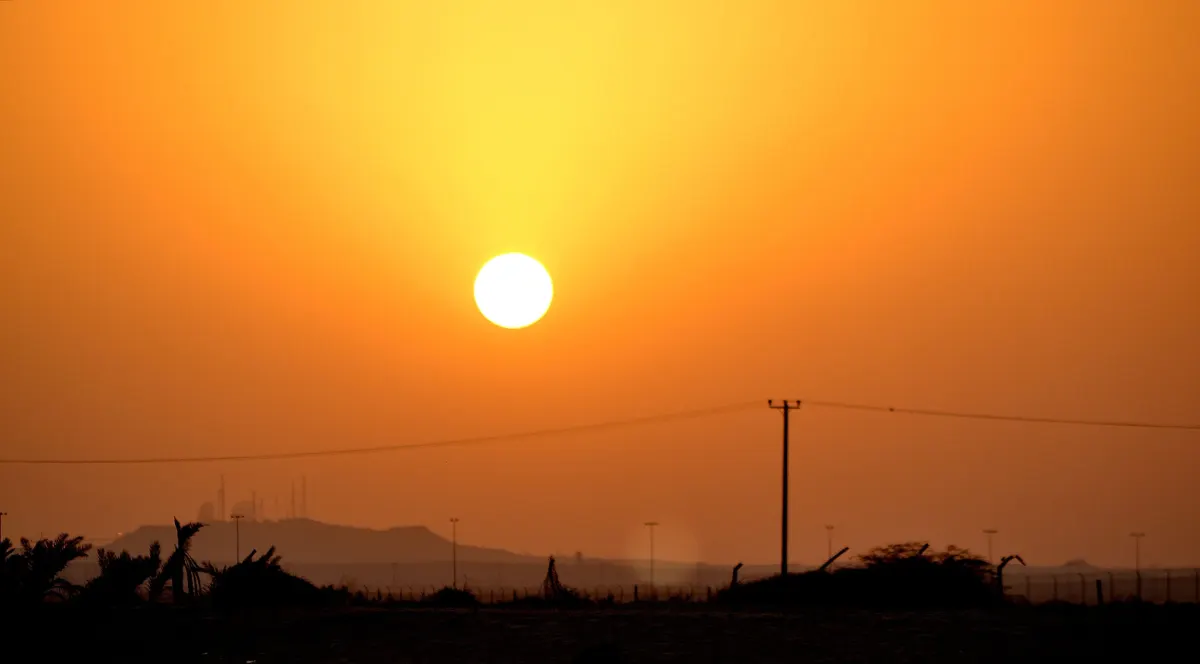
Bahrain's summer isn't quite as hot as Kuwait's, but it's humid, and the nights hardly cool down. From December to March it's mild and often lovely.
Month by month
Average night and day temperatures at the airport for 1991 to 2020:
- December 17 to 23°C, January 15 to 21°C, February 15 to 22°C: the coolest months, sometimes windy, with a little rain. Bring a jacket.
- March 18 to 26°C, April 22 to 31°C: warm, with the odd thunderstorm.
- May 27 to 36°C, June 30 to 39°C: hot, with the dusty north-west wind called shamal.
- July and August 31 to 40°C, September 30 to 38°C: very humid, and it feels far hotter. The record is over 47°C.
- October 26 to 34°C: still sticky. November 22 to 28°C: warm and pleasant.
The best months are December to March.
Coping with the heat
- Stay indoors from about 10am to 4pm from May to September. Sights in the open, such as Qal'at al-Bahrain and the Tree of Life, have almost no shade.
- In high humidity sweat doesn't cool you, so rest even if the thermometer says only 36°C. Drink before you're thirsty, with rehydration salts or something salty.
- Hat, sunglasses, sunscreen, loose long sleeves, and a layer for the air conditioning.
- Never leave a child or an animal in a parked car.
- Power and water plants have been attacked this year. Keep a few litres of water and a torch in your room.
- Heat exhaustion: headache, dizziness, sickness, cramps, cold sweaty skin. Get into the cool, lie down, sip water. Heatstroke: confusion, very hot skin, a fit, collapse. Call 999 and cool the person with water, wet cloths and a fan until help comes.
Dust, smoke and rain
- Sand and dust storms are common. Stay in, shut the windows and wear a mask outside. People with asthma should bring spare inhalers.
- The air can be bad, from dust and from the refinery. After an attack on an industrial site, close the windows, turn off fresh-air vents and stay out of the smoke.
- Rain is rare but can flood roads within minutes in winter. Don't drive into water.
The sea
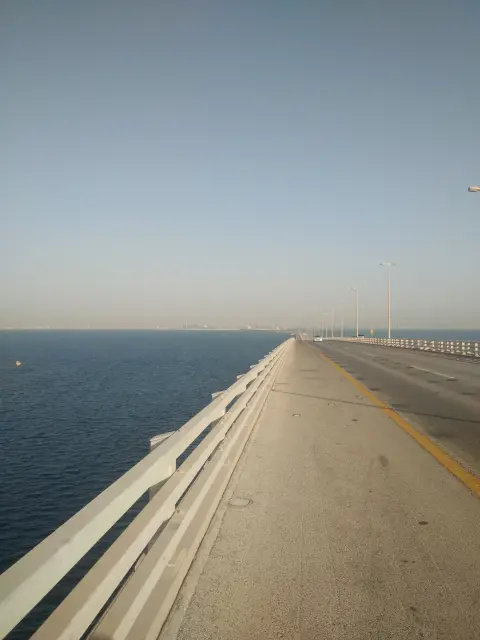
- Swim at hotel beaches and pools, where it's clean and watched. Public beaches are few, there are strong currents in places, and jellyfish come in summer. Wear shoes: there are stingrays and sharp shells.
- Sea snakes live in these waters. They're shy and very poisonous. Don't touch them, dead ones included, and get help at once if bitten.
- Stay off the water at night: there's a curfew. See Getting around Bahrain.
Water, food and illness
- Tap water is desalinated, but it can pick up dirt in tanks. Australia advises boiled or bottled water and no ice. Bottled water is cheap.
- Check routine vaccinations, measles above all, and hepatitis A. Ask a travel clinic about hepatitis B six to eight weeks before you go.
- MERS, a serious virus from camels, has been rare here, but keep away from camels and raw camel milk.
- If you've been in a country with Ebola in the last 30 days, you won't be let in: see Arriving in Bahrain.
- Tell a doctor at home about any fever after your trip.
Doctors and hospitals
- Care is good, and most doctors speak English. Salmaniya, in Manama, is the main public hospital, and there are many private ones. Call 999 for an ambulance.
- Visitors pay, often before treatment, even with insurance. If you can't, you may be stopped from leaving, or worse.
- Hospitals must report foreigners who test positive for HIV, which can lead to detention and deportation, says Australia.
- If you're pregnant and unmarried, or have been assaulted, talk to your embassy first.
- Pharmacies are everywhere. Bring your own medicines, with papers, and enough for two extra weeks.
Insurance
- You need cover for hospital bills and being flown out. Many policies don't pay where governments advise against travel, or for anything caused by war. Ask in writing: see Is it safe to visit Bahrain now?
Packing
Light clothes that cover shoulders and knees, a jacket for winter evenings, a mask, sunscreen, rehydration salts, medicines with papers, a torch and a power bank. No CBD creams.
Comments
No comments yet.