
Money and phones in Bahrain: dinars, cards, VAT, tipping, bargaining, SIM cards, MyGov and other apps
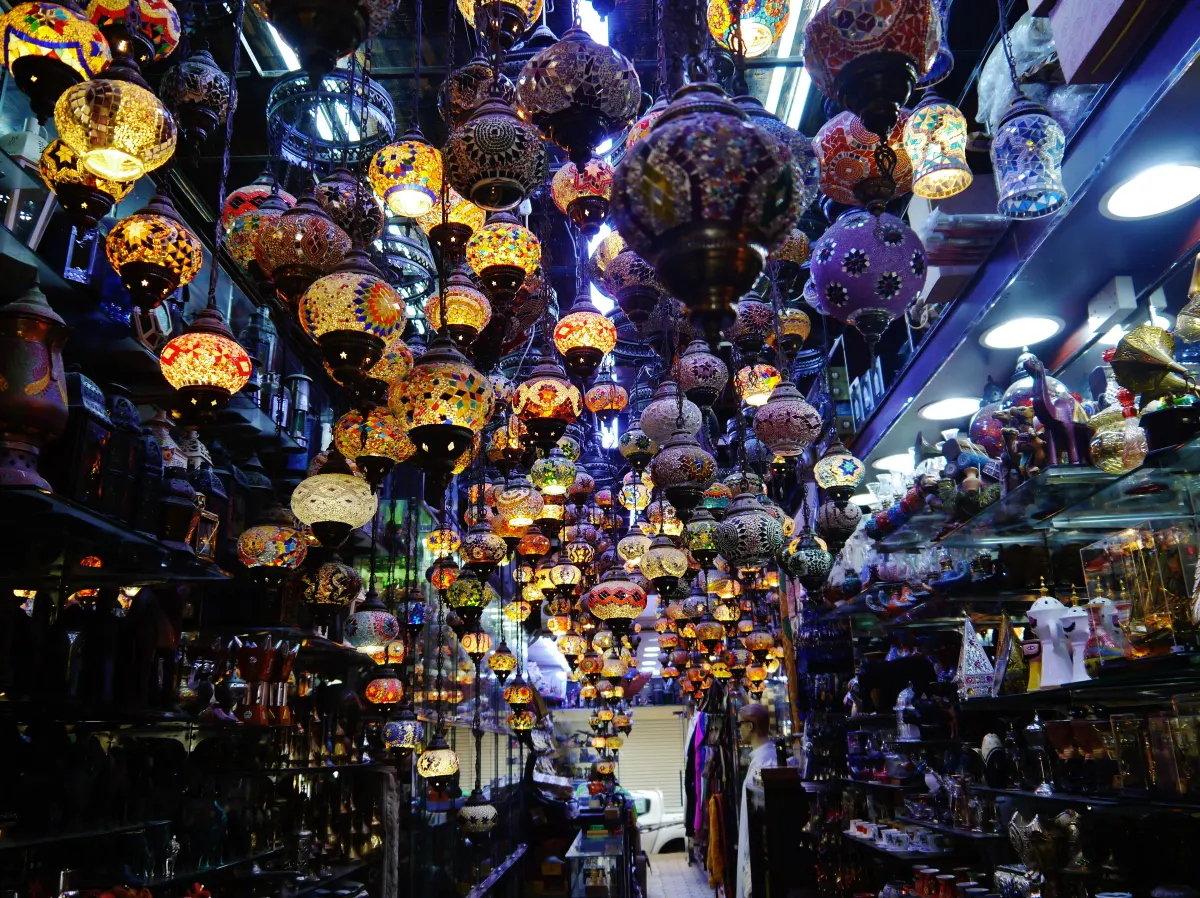
Bahrain uses one of the world's strongest currencies, so small numbers are real money: 5 dinars is about 13 US dollars. Cards work nearly everywhere, and you can be online before you leave the airport.
Dinars and fils
- The Bahraini dinar (BD or BHD) has 1,000 fils, so prices have three decimals: 1.500 is one dinar and 500 fils. It's fixed to the US dollar: 1 dinar is about 2.65 dollars.
- Notes are a half, 1, 5, 10 and 20 dinars.
- Saudi riyals are widely taken at 10 to the dinar. You may get change in either.
- Exchange houses in the souq and malls give better rates than hotels. Change what's left before you go home.
- Keep some cash in dinars and some in dollars: in an attack card machines may fail, and data centres on the island were hit this spring.
Cards
- Hotels, malls, supermarkets and most restaurants take cards and phone payments. The visa on arrival is paid by card.
- BenefitPay, which you'll see everywhere, is for people with a Bahraini bank account.
- Cash machines are common. Choose dinars, not your own currency.
- Use cash in the souq, small cafés, buses and for tips.
Tax, service and tips
- VAT is 10%, normally included in shop prices. Keep receipts and ask about tourist refunds at the airport.
- Hotels and their restaurants often add a service charge and a government levy to the price: ask for the total.
- If there's no service charge, 10% is generous. Round up taxis, and give porters a few hundred fils.
Shopping
- Natural pearls are Bahrain's pride, and cultured pearls have long been kept off the local market. Buy only from a known jeweller, with a certificate from DANAT, Bahrain's pearl and gem institute.
- Gold is sold by weight at the day's price plus the making charge, and only the second part can be bargained over. It's on Australia's list of common scams, so buy in a proper shop.
- Bargain in the Manama souq, politely and with a smile. Spices, halwa, perfume, pottery from A'ali and baskets are good presents.
- Don't buy anything old that could be an antiquity.
Phones
- The networks are Batelco (Beyon), Zain and stc. All three have had shops in the arrivals hall. You need your passport. Visitor SIM cards cost from about 5 to 10 dinars, and some can be eSIMs.
- A travel eSIM bought before you leave is often cheaper for data alone, and works as soon as you land.
- Calls on WhatsApp and similar apps usually work in Bahrain, unlike in Qatar, but that can change.
- Some websites and news pages are blocked, and what you write in private groups can be used against you: see Bahrain's laws.
On your phone before you arrive
- MyGov, the government's app, with notifications on. It sends the sirens' warnings and the all-clear. If it won't register you without a local number, follow the Ministry of Interior's accounts too.
- Your embassy's number, your government's travel alerts, and your airline's app.
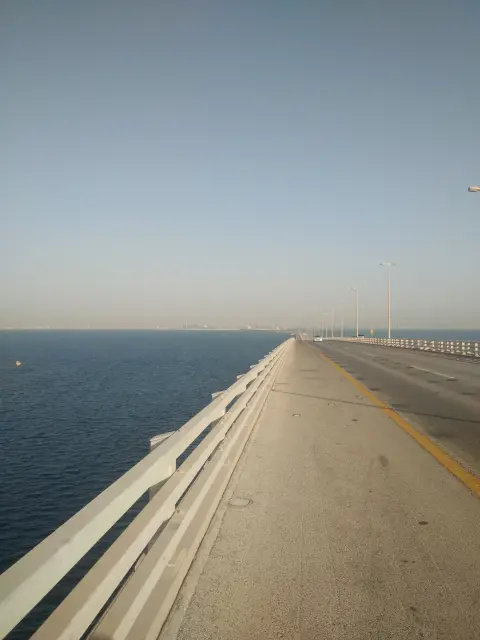
- A ride app or two, the bus app, JESR if you may need the causeway, and Talabat for food.
- A map with Bahrain downloaded, and Google Translate with Arabic.
- Copies of your passport, visa and medicine papers. A charged power bank.
Numbers
- 999 police, fire and ambulance. 199 traffic accidents with no one hurt. 992 cybercrime and scams.
Plugs, time and opening hours
- Sockets are the British three-pin type, 230 volts. The time is three hours ahead of GMT all year.
- The weekend is Friday and Saturday. Many shops close after lunch and open again from about 4pm. On Friday most things open only in the afternoon.
- English is spoken almost everywhere.
Comments
No comments yet.