
Culture and etiquette in Timor-Leste: sacred places, Catholic customs and Tetun greetings
People in Timor-Leste are warm and curious about visitors, proud of their independence, deeply Catholic, and just as respectful of the old sacred places. A greeting opens most doors.
Being a good guest
- Greet people. Shake hands, smile, and say hello to everyone when you join a group. If you're offered coffee or food, try a little, after your host starts.
- Ask before taking photos of people, and never photograph soldiers, police, government buildings or ceremonies without asking.
- Dress modestly. Cover your shoulders and knees in churches, markets and villages, and keep swimwear for the beach. Public displays of affection aren't done.
- Almost everyone is Catholic, and Sunday Mass is a big event. Keep quiet and dressed up for it, stand back during processions, and don't drink or make noise on holy days such as Good Friday. On All Souls' Day, 2 November, families spend the day at the graves with flowers and candles.
- Same-sex relationships are legal but not recognised, and attitudes are conservative. Discretion is wise.
- The occupation that ended in 1999 touched every family. Visit the Resistance Museum to understand it, and let people raise the subject themselves.
Lulik: sacred places
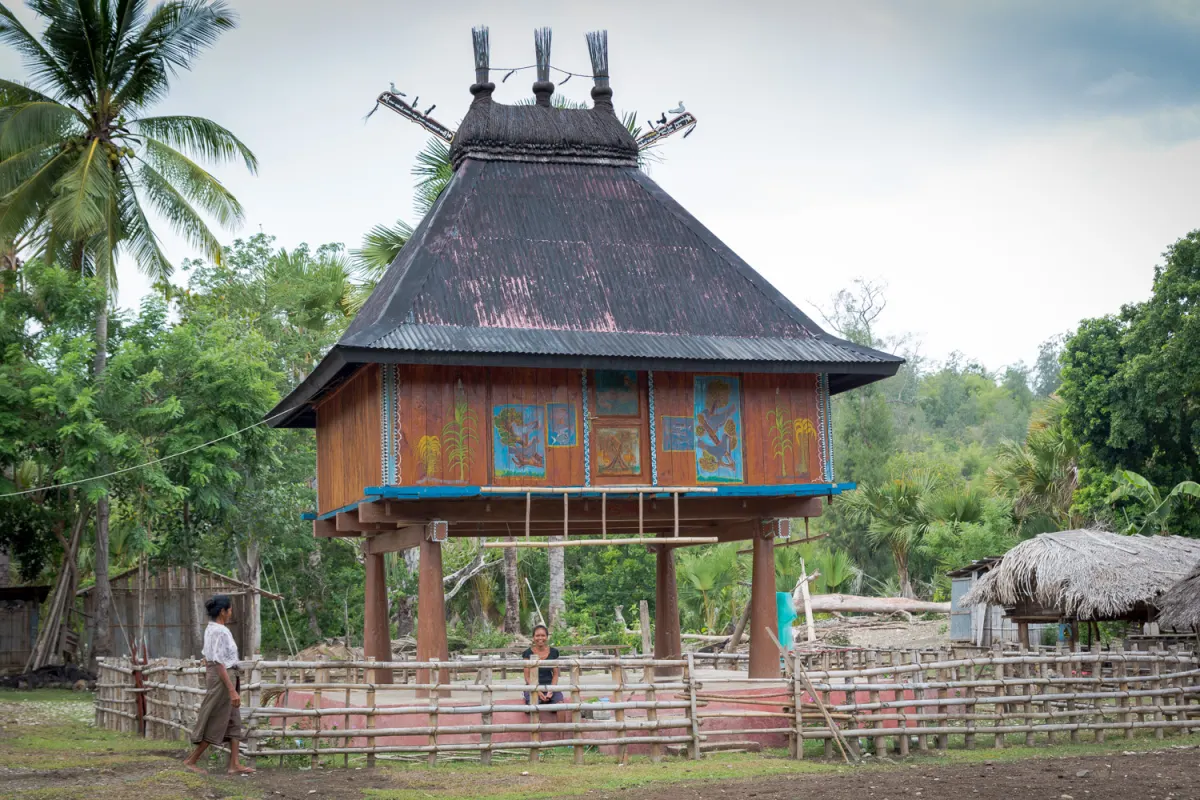
- Lulik means sacred or forbidden. It can be a house, a tree, a spring, a stone or a whole mountain. A sacred house, an uma lulik, holds a family's ancestral objects. Don't go in, climb on it, or touch anything without permission from the family or village leader, and ask before taking photos.
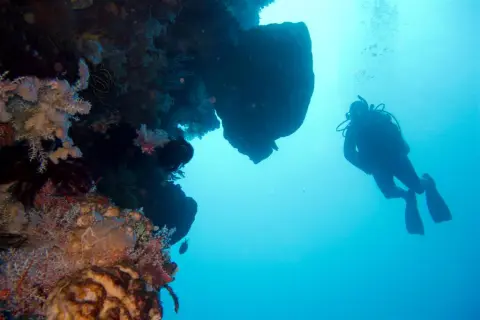
- Tara bandu is customary law that protects forests, reefs and fishing grounds. It may close a place to visitors or fishing for a season. Look for signs or cut branches, and ask.
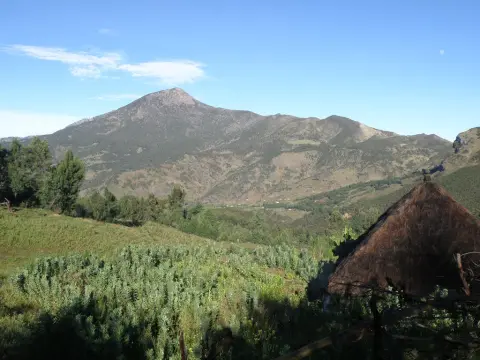
- Jaco Island is sacred, and nobody may stay the night there: see Nino Konis Santana National Park. Mount Ramelau is sacred too, and has a Catholic shrine on top.
- If you're given a tais, the hand-woven cloth, it's a great honour. Accept it with both hands.
A few words of Tetun
- Bondia: good morning. Botardi: good afternoon. Bonoite: good evening.
- Diak ka lae?: how are you? Diak: fine.
- Obrigadu (said by a man) or obrigada (by a woman): thank you.
- Kolisensa: excuse me. Deskulpa: sorry.
- Hira?: how much? Lae: no. Sin: yes.
- You'll often hear malae, foreigner, called out. It's friendly. Portuguese is the other official language, many people speak Indonesian, and English is mostly spoken in hotels and tourism.
See also safety.

Comments