
Health in the Maldives: sun, dengue, vaccinations, hospitals and insurance
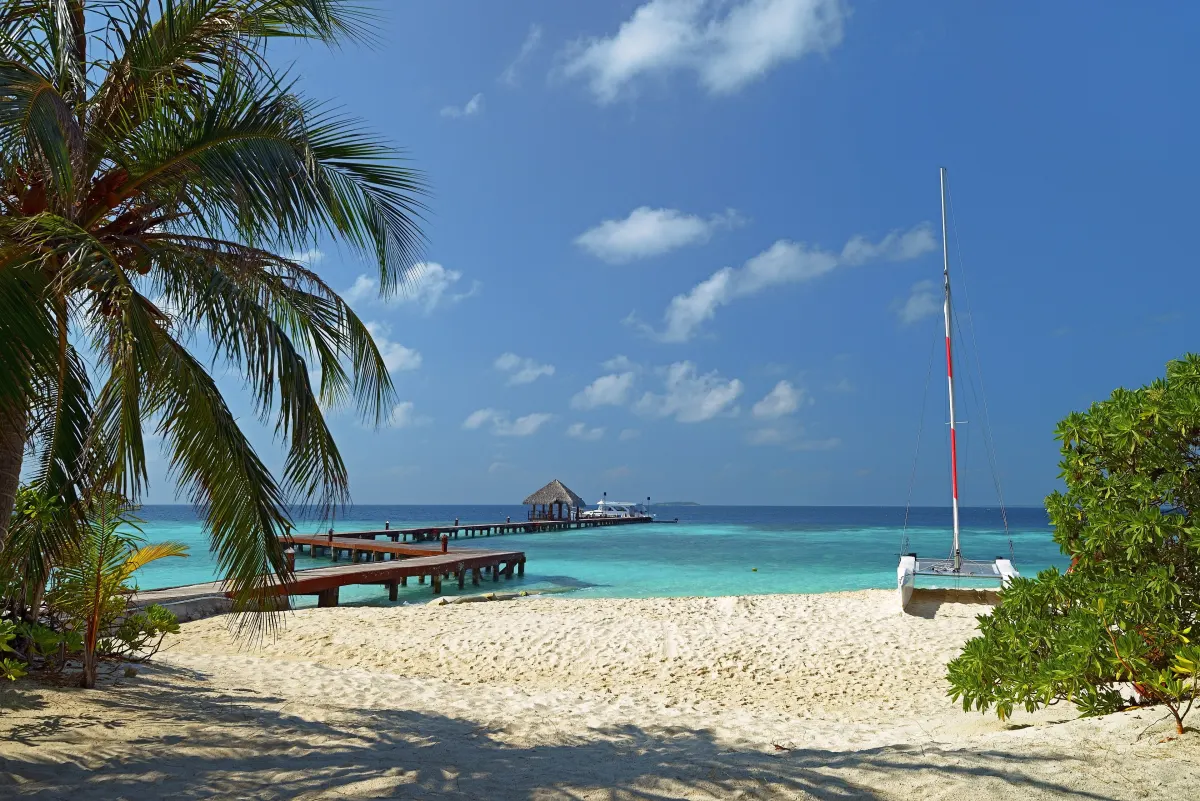
The main health risks in the Maldives are the sun, mosquitoes and being a long way from a hospital. Good insurance matters more here than in most places.
Mosquitoes
- Dengue is present all year and worse after rain. The WHO counted 2,969 cases from January to the start of June 2026, more than usual. Chikungunya and Zika also occur; pregnant women, or anyone planning to be, should take advice before going.
- Mosquitoes that carry them bite by day. Use repellent with DEET or similar all day, cover your arms and legs, especially around dawn and dusk, and sleep in a screened or air-conditioned room.
- If you get a fever, take paracetamol, not aspirin or ibuprofen, until dengue has been ruled out, and see a doctor.
Vaccinations
- See a travel clinic six to eight weeks before. Hepatitis A and B, typhoid and an up-to-date MMR are usually advised: the Maldives had a measles outbreak in 2026, mainly around Malé.
- There's no yellow fever here, but you need a certificate if you come from a country that has it. See Arriving in the Maldives.
- The WHO declared the Maldives free of malaria in 2015. Rabies hasn't been reported in animals on land, but stay away from bats, and see a doctor after any bat bite or scratch.
Sun, water and stomach
- The sun is very strong, and the breeze hides it. Cover up, use high-factor sunscreen, wear a hat and drink lots of water.
- Drink bottled or filtered water, unless your hotel says its own is safe. Refill bottles to cut down on plastic.
- Fish can occasionally carry ciguatera toxin, mainly large reef fish. Eat where it's fresh and well cooked, and see a doctor if you feel tingling or weakness after a fish meal.
- Coral cuts get infected easily: clean them well.
Hospitals and insurance
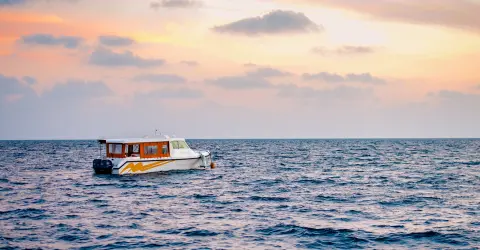
- The only fully equipped hospitals are in Malé and Hulhumalé. Resorts have a doctor or a nurse nearby, and local islands have health centres. A serious case may mean a boat or seaplane transfer, and a flight abroad.
- Take travel insurance that covers medical evacuation and any diving you plan.
- Bring your own medicines with prescriptions, as pharmacies on small islands are basic.
- Emergency: 102 ambulance, 119 police, 118 fire.
See also when to go and Diving and the sea.
Comments