
Diving, snorkelling and the sea in the Maldives: currents, dive rules, whale sharks, mantas and flying after diving
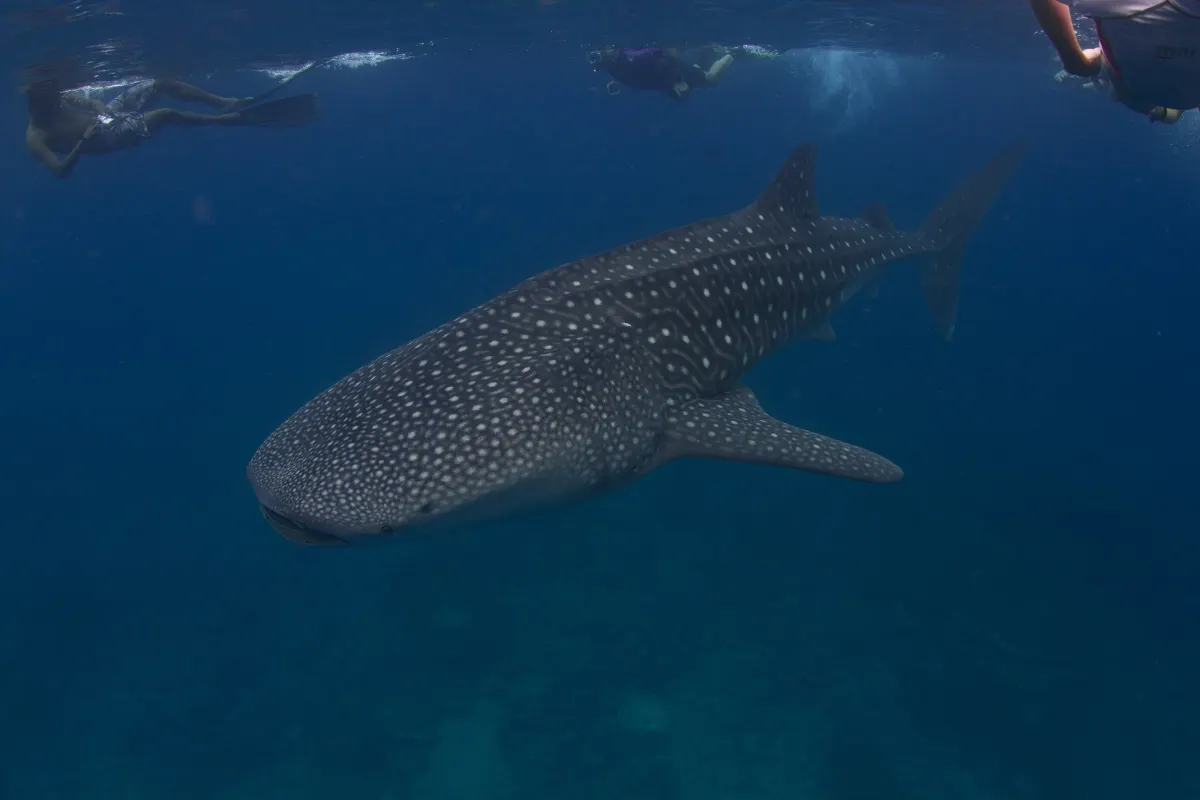
The sea is the point of the Maldives: clear water, reefs, turtles, mantas and whale sharks. It's also where most visitors get into trouble, as tidal currents in the channels are strong, and visitors drown every year. Ask locally before you swim, every day and at every beach.
Swimming and snorkelling
- Ask your resort or guesthouse where it's safe, and whether conditions have changed. Swim where there are lifeguards or other people, and heed flags and signs.
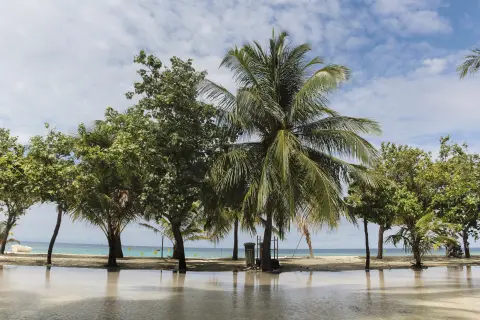
- Stay inside the lagoon unless you know the current. The reef edge and the channels between islands can pull you out to sea.
- Don't swim alone, after drinking, or at dusk. Wear a life vest or use a float if you're not a strong swimmer, and fins when snorkelling.
- If a current takes you, float, don't fight it, and wave for help.
- Keep off the coral: it's alive, and it cuts. Don't touch anything, as some fish and cone shells are dangerous. Take reef-safe sunscreen, and wear a T-shirt or rash vest.
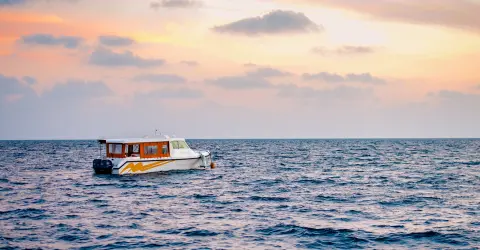
- Boats: keep well away from propellers, and never jump in until the engine is off and the crew say so. People have been killed by propellers around the whale shark sites.
- Don't feed sharks or go with anyone who does: dive operators are banned from it, and it has been blamed for some of the recent bites. Ask before you book a "shark swim".
Scuba diving rules
- Recreational diving is limited to 30 metres, without decompression stops. Beginners are limited to less, and your certification card may be checked.
- Expect a check dive first, and to be asked for your certification, logbook and often a medical statement and dive insurance. Say if you haven't dived for a while.
- Choose a licensed dive centre with a good safety record. Check there is oxygen, a radio and a surface marker buoy for each diver.
- Currents: many dives are drifts through channels. Don't dive beyond your experience, and turn back if you feel unsure.
- Caves and wrecks beyond your training can kill. In May 2026, five divers died in a deep cave in Vaavu Atoll, and a rescue diver died during the recovery. A new law on technical diving was being written; check its state before booking any dive beyond 30 metres.
- Hyperbaric chambers: there are only three in the country, and many islands are more than an hour from one. Ask your dive centre how they'd get you to it, and have insurance that covers evacuation.
Flying after diving
- Divers Alert Network's advice is to wait at least 12 hours after a single dive, and 18 hours after several dives or several days of diving. Many people leave 24 hours to be safe, and dive centres may ask you to.
- This covers seaplanes and domestic flights as well as your flight home. Make your last day a snorkelling or beach day.
Whale sharks
- South Ari Atoll has whale sharks all year. Much of it is a protected area, with a speed limit, a maximum number of boats and swimmers near a shark, limits on time in the water, and a permit for visitors. Since February 2026 you can only go in with a certified guide.
- Keep at least 3 metres from the body and 4 metres from the tail. Don't touch, ride, block or chase one, and don't use flash.
- Boats are required to have propeller guards, but in April 2026 hardly any did. Choose an operator that keeps its speed down and its engine off near swimmers.
Manta rays
- Hanifaru Bay in Baa Atoll is the famous place, from about June to November. It's snorkelling only, with a licensed guide and a permit fee, usually about 45 minutes in the water, and a limit on boats and people. Scuba diving isn't allowed.
- Keep at least 3 metres away, stay still at the surface, and don't dive down at them.
See also: Health and weather, for the seasons, and Getting around.

Comments
No comments yet.