
Travel warnings for Iraq: what governments advise, area by area
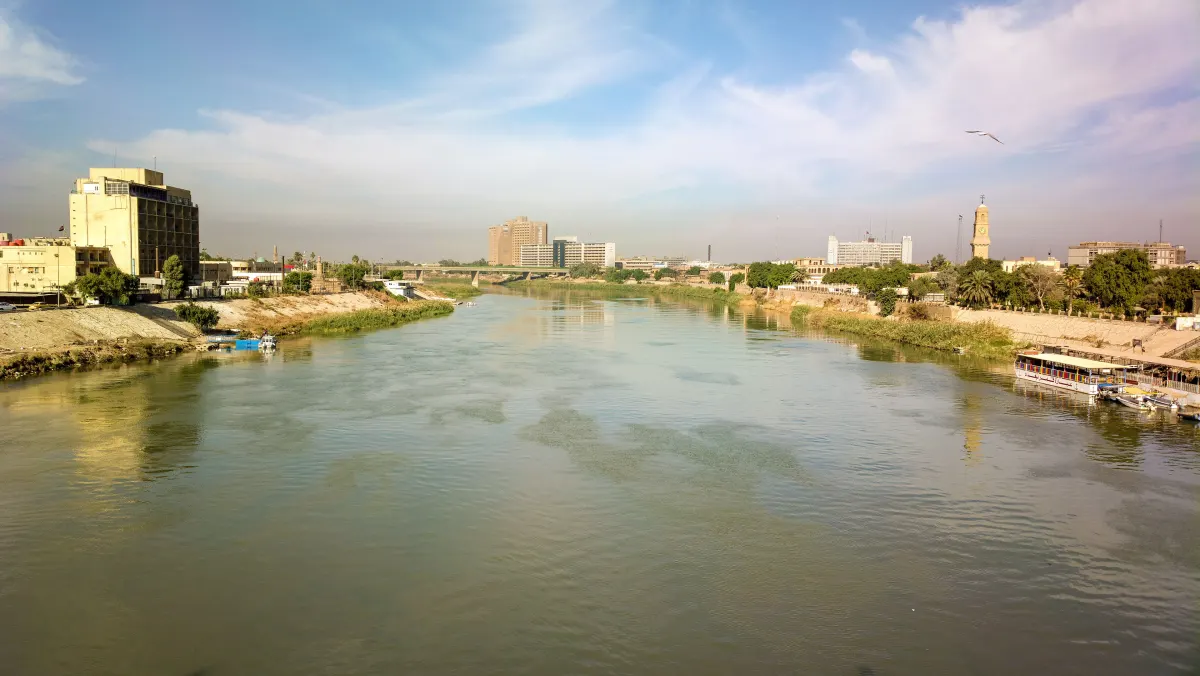
Most of the governments we checked tell their citizens not to travel to Iraq at all, because of armed conflict in the region, terrorism and kidnapping. The UK and France grade their advice by area, but neither treats any part of the country as normal. This article sums up what they say as of 24 November 2026. It can change within days, so read your own government's page before you decide anything.
What governments advise
- USA (US Embassy, advisory updated 23 October 2026): Level 4, Do not travel, for the whole country. The US government says its ability to help its citizens there is limited.
- Australia (Smartraveller, updated 2 September 2026, still current on 24 November): Do not travel, including the Kurdistan Region. If you're there, leave as soon as you can do so safely.
- Canada (travel.gc.ca, updated 23 July 2026): Avoid all travel, and leave while you still can by commercial flight.
- New Zealand (SafeTravel, updated 8 June 2026; still on its list of 15 October): Do not travel.
- Germany (Auswärtiges Amt, changed 29 October 2026, still valid on 23 November): a formal travel warning (Reisewarnung) for the whole country.
- France (France Diplomatie, security page of 15 September 2026): advises strongly against most of the country, and against all but essential travel to the rest, including the cities of Baghdad, Basra, Mosul, Erbil and Sulaymaniyah.
- UK (gov.uk, updated 18 November 2026): advises against all travel to some areas, and all but essential travel to everywhere else. "Essential" is for you to decide, but a holiday isn't usually essential.
The UK's advice by area
The UK advises against all travel to:
- Ninawa (the province of Mosul), Kirkuk and Salah al-Din provinces
- Diyala province, except Baqubah city
- Anbar province west of Ramadi city
- Sadr City in Baghdad, and the town of Jurf al-Sakr in Babil province
- anywhere within 5 km of the border with Iran in Wasit, Maysan and Basra provinces, and within 5 km of the borders with Saudi Arabia and Kuwait
It advises against all but essential travel to the rest of federal Iraq, including the rest of Baghdad, Basra, Karbala and Najaf, and to the Kurdistan Region. So well-known sights such as Babylon, Ur, the Mesopotamian Marshes and the National Museum in Baghdad are all in areas with a warning.
France's red zones
France's strictest warnings cover much of the same ground, but not all. They also take in the areas near the Syrian border, the mountains near Turkey and Iran, everywhere within 20 km of the Iranian border apart from Soran, Halabja and Basra, the desert along the Saudi border, some outer districts of Baghdad, and several parts of the Kurdistan Region. Unlike the UK, France puts the city of Mosul and the Mosul–Erbil road in its lower (orange) zone. Where governments disagree, take the stricter advice.
The Kurdistan Region
The north is often described as a different, safer Iraq. Most governments don't make that difference in their advice: see The Kurdistan Region of Iraq.
Why they say it
- Armed conflict: since the war that began in early 2026 between Iran, Israel and the USA, there have been missile, drone and rocket attacks in Iraq. The US says recent targets include hotels, universities, energy sites, airports and diplomatic buildings. Canada said in July that attacks had started again, and Germany says drone attacks have gone on since mid-July in the Kurdistan Region.
- The wider region: the USA, the UK and Germany say it could escalate suddenly, and the US and German advice was updated in October because of the fighting between the Houthis and Saudi Arabia.
- Terrorism: the UK says attacks are very likely. They're more frequent in Anbar, Diyala, Kirkuk, Ninawa and Salah al-Din, but can happen anywhere.
- Kidnapping, landmines and the roads: see Staying safe in Iraq.
Insurance and help from your embassy
- If you travel against your government's advice, your insurance may not cover you, even for an ordinary illness or accident. Many policies also exclude war and terrorism. Get cover in writing that names Iraq and includes medical evacuation.
- The UK says its support is severely limited, and not to rely on it to get you out. Australia, Canada and Germany say their help is extremely limited, and New Zealand says it won't arrange an evacuation.
- Emergency lines: UK +44 20 7008 5000; Australia +61 2 6261 3305; New Zealand +64 99 20 20 20; USA +1 202 501 4444; French embassy +964 790 191 2365 (federal Iraq) or +964 750 987 0159 (Kurdistan Region).
- If you're in Iraq anyway, register with your government, keep your passport and visa up to date, and have a plan to leave that doesn't depend on your embassy.
The other pages about Iraq on this site describe places for when it's safe to visit. They aren't a suggestion to go now, and that's why there are no itineraries here.


Comments
No comments yet.