
Staying safe in Iraq: kidnapping, landmines, checkpoints, roads and health
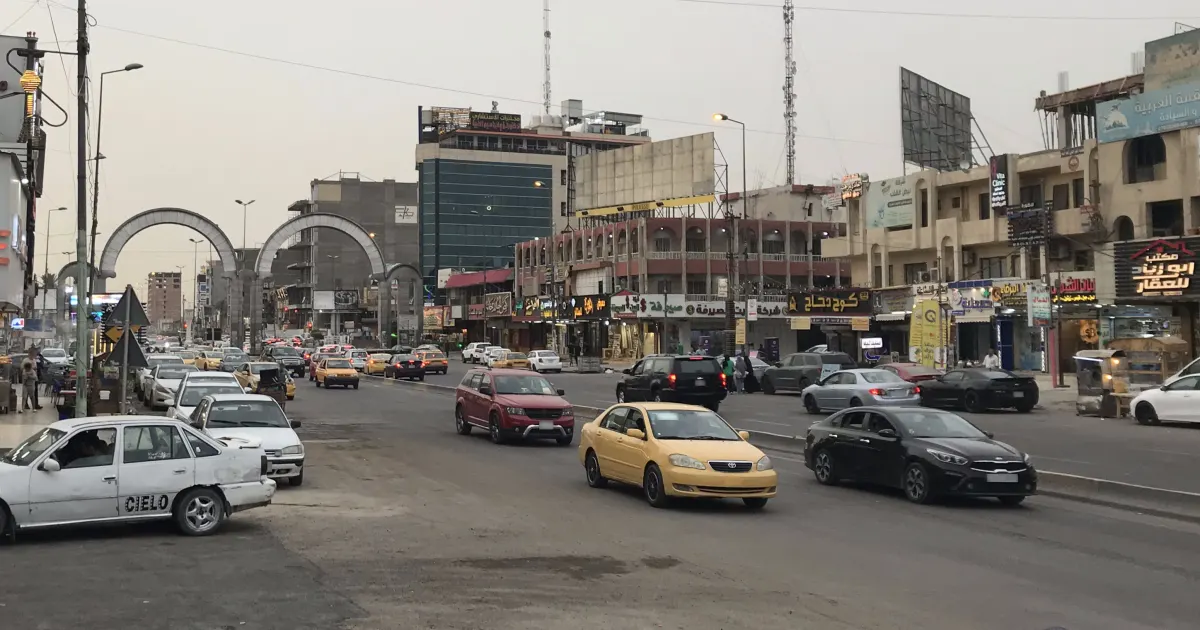
This is for people who live in Iraq or have to be there. Governments say not to visit: see Travel warnings for Iraq. It sums up official advice as of November 2026. It doesn't replace advice from a professional security company, which governments say you need.
Kidnapping
- The UK and Australia say there's a high threat of kidnapping throughout Iraq, by terrorists, militias and criminal gangs. Tourists, aid workers, journalists, academics, oil workers and business travellers are all seen as targets, and your reason for being there won't protect you.
- The British and Australian governments don't pay ransoms, and paying one to a terrorist group is a crime.
- Keep a low profile, also online: don't post where you are or where you're going. Vary your routes and times, don't travel alone, and have someone you trust who knows your plans and raises the alarm if you don't check in.
- Don't move around after dark, not even a short way, says France.
Attacks
- Keep away from military bases, government buildings, oil and gas sites, and places linked with the USA or Israel. Limit your time in crowds, markets, places of worship and hotels used by foreigners.
- If there's a warning or an attack, go into a solid building, as low as possible, and into an inside room or stairwell away from windows. Falling debris is one of the main dangers. Don't touch pieces of drones or missiles.
- Keep several days of water, food and medicine, and charged power banks. You may have to stay indoors for days.
- Protests and clashes are common, especially in Baghdad and the south, and curfews can start at short notice. Stay away from demonstrations.
Landmines and unexploded weapons
- They're in many parts of the country, from several wars. The worst areas are those once held by Islamic State (Anbar, Ninawa, Salah al-Din, Kirkuk and Diyala), the borders with Iran and Kuwait, and parts of the south and the Kurdistan Region.
- Many places aren't marked. Stay on paved and well-used roads and paths. Don't walk in fields, on verges, in ditches or in ruined buildings, and don't pick up anything metal.
- If you see something suspicious, go back the way you came and tell the authorities.
Checkpoints and roads
- Carry your original passport and visa: you're required by law to have photo ID. Stay calm, do as you're told, and don't film.
- False checkpoints have been used for kidnappings and attacks, and militias run unofficial ones that demand money. A uniform is no guarantee.
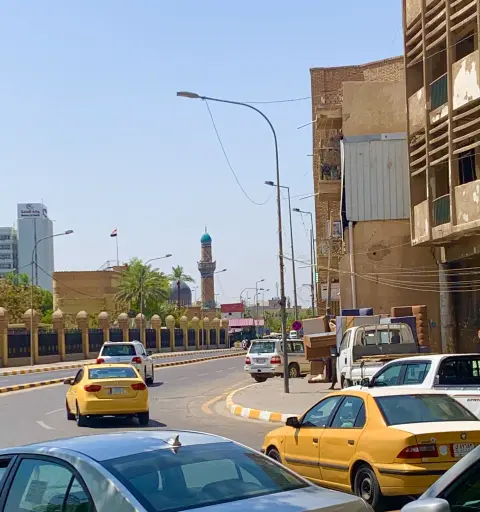
- Driving is dangerous: roadside bombs, carjackings, speeding and bad roads. Governments say not to travel at night, and Germany says not to drive yourself. Car insurance is hard to get.
- Canada says to avoid trains, because the railway is old and badly maintained.
Health
- Hospitals are limited in the big cities, and very basic or missing elsewhere. Serious cases need evacuation abroad, which can be very expensive and hard to arrange. Make sure your insurance really covers it in Iraq.
- Bring all your medicines, with prescriptions: France says fakes are widespread.
- Drink bottled or boiled water. Cholera, typhoid and hepatitis A occur.
- Crimean-Congo haemorrhagic fever is spread by ticks and by the blood and raw meat of animals. Rabies and leishmaniasis (from sandfly bites) occur too. Avoid animals and insect bites.
- Ask a travel clinic about vaccinations at least six to eight weeks ahead.
Heat, dust and floods
- Summer temperatures can go over 50°C. Sand and dust storms are common in spring and summer, and stop flights.
- Flash floods are common from November to March, and earthquakes can happen, above all in the north and east.
Emergency numbers
- Police: 911
- Ambulance: 122
- Fire: 115

Comments
No comments yet.