
Getting around Lebanon, safety and health: roads, taxis, checkpoints, landmines and hospitals
Most governments advise against travel to Lebanon, and the UK against travel to parts of it: read Travel warnings for Lebanon first, and don't go to the areas they name. This article is about staying safe if you're there.
Taxis and buses
- Lebanon has no passenger railway. Don't use shared taxis (called "service" taxis) or taxis hailed on the street: there have been armed robberies and attacks on passengers, by drivers and by other passengers.
- Use a taxi booked by your hotel, or from a company that checks its drivers. Agree the price, or make sure the meter's on, before you set off. Check the car and driver match the booking.
- Canada advises against public transport altogether, as crowded, unsafe and unreliable.
Driving
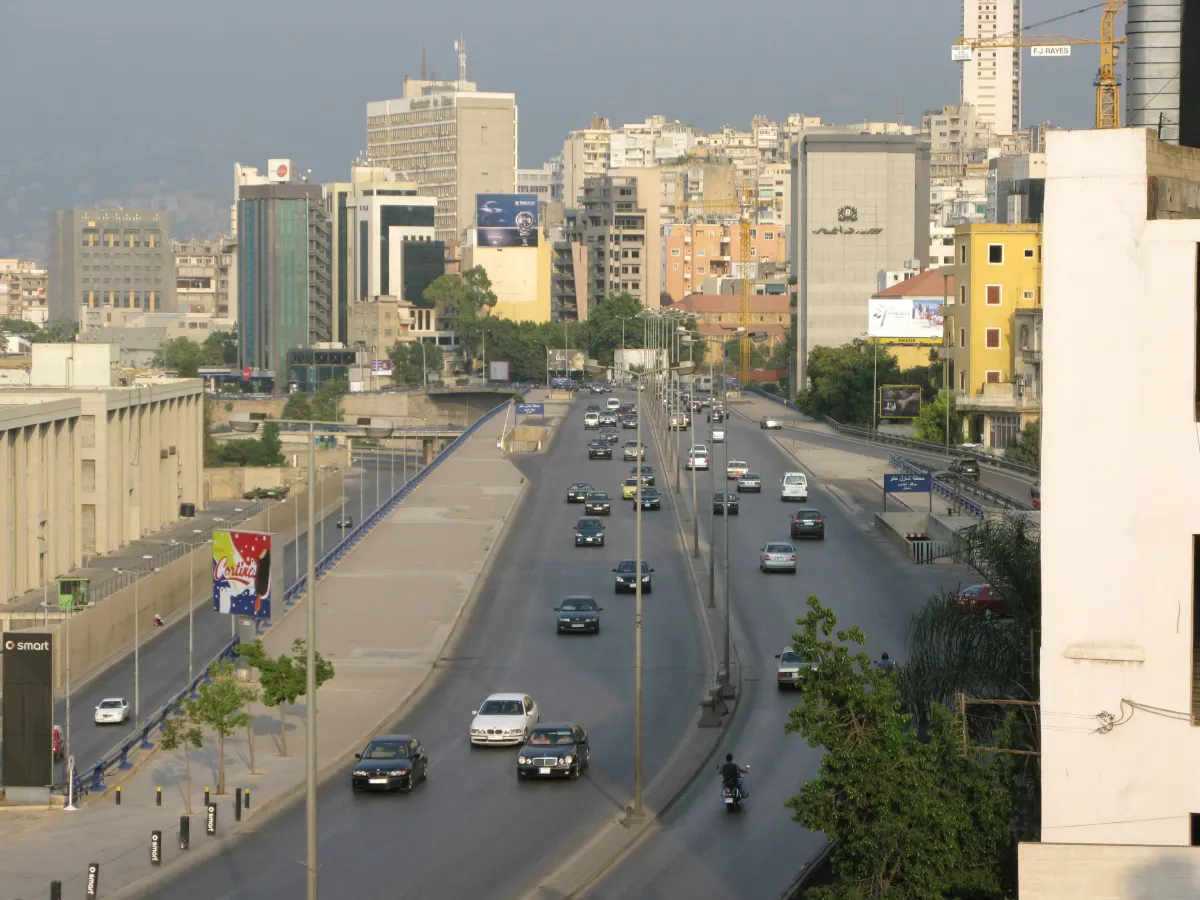
- The UK says driving standards are poor and the accident rate is high. Traffic lights are often off, streetlights are few, and overtaking is risky. Avoid driving outside towns at night.
- Canada and Australia say to carry an international driving permit (IDP). The UK says a UK licence or the 1968 IDP is accepted, and that the 1949 one isn't.
- The UK says hiring a car with a driver may be better if you're not used to it, and that cars with diesel engines are banned.
- Checkpoints: the army has them on many roads. Slow down, stop when asked, be polite, and carry your passport or other ID. Canada also warns of informal checkpoints run by armed groups in the Beqaa and Beirut's southern suburbs.
- Roads can be blocked by protests or burning tyres, and GPS may be jammed, so download offline maps and know your route.
- Mountain roads can be blocked by snow in winter.
Landmines and unexploded munitions
- They're still in the ground in parts of Lebanon, especially south of the Litani river and near the Syrian border, and aren't always marked. Cluster munitions are among them.
- Stay on well-used roads and paths, don't walk cross-country, and don't touch anything that looks like a weapon. Ask local people and use a local guide for any hike. Avoid remote abandoned buildings.
Crime and personal safety
- The UK rates petty and violent crime as a moderate risk for visitors. Watch for bag snatching (including by motorbike), pickpockets and robbery, and don't show expensive jewellery or a lot of cash.
- Women: there have been reports of harassment and assault in public places. Avoid walking alone in quiet or dark places, and use a booked taxi at night.
- Drink spiking and methanol poisoning happen: keep your drink with you, and only drink sealed, branded alcohol.
- Stay out of the way if you hear gunfire: go indoors and away from windows.
Health
- Good private hospitals are expensive and usually want a cash deposit or proof of insurance before they treat you, even in an emergency. Fuel and medicine shortages can affect care.
- Bring all the medicine you need, plus a few extra days' worth, in its packaging with a copy of the prescription.
- Drink bottled or boiled water, and peel or cook food. Cholera cases have been reported, and Canada recommends hepatitis A and B vaccination. Ask a travel clinic at least a few weeks before you go, and check on measles.
- Wildfires are a risk in summer, and Lebanon is in an earthquake zone.
Emergency numbers
- Police: 112
- Ambulance (Lebanese Red Cross): 140
- Fire: 175

Comments
No comments yet.