
Travel warnings for Lebanon: what governments advise, and where the danger is
The US, Canadian, Australian and New Zealand governments all advise against any travel to Lebanon. The UK advises against travel to large parts of the country, but not all of it. The reason is the conflict between Israel and Hezbollah, with terrorism, kidnapping and unrest on top. This article sums up their advice as of late November 2026. It changes often, so read your own government's advice before you make any plans, and again before you leave.
What governments advise
- USA: Level 4, Do not travel, "for any reason", because of crime, terrorism, unrest, kidnapping, landmines and armed conflict (US Embassy Beirut has the latest security alerts).
- Canada (travel.gc.ca, updated 18 November 2026): Avoid all travel, and leave if you're there.
- Australia (Smartraveller, updated 24 September 2026): Do not travel, because of "the volatile security situation, armed conflict, civil unrest and terrorism".
- New Zealand (SafeTravel, updated 25 June 2026): Do not travel, and leave on a commercial flight if you're there. It has no diplomatic presence in Lebanon, so can give little help.
- UK (gov.uk, updated 10 August 2026): advises against all travel, or all but essential travel, to parts of Lebanon (below). Since August 2026 it no longer advises against travel to some areas it had included before.
Travel insurance may be invalid if you go against your government's advice: see Entering Lebanon. If you're a UK traveller, the areas the UK doesn't name are not declared safe: airstrikes have also hit places outside the main danger areas, and the UK says the situation can change quickly.
Areas the UK warns about
The exact lines follow roads and villages, so look at the map and list on gov.uk. In short, the UK advises against all travel to:
- All of South and Nabatieh governorates, including Tyre and the whole border with Israel.
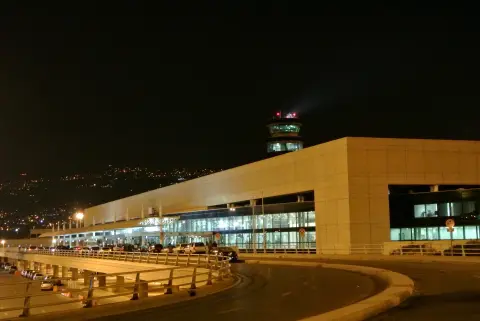
- Parts of Beirut and its southern suburbs (Dahieh), including Haret Hraik, Burj al-Barajneh, Ghobeiry, Chiyah and Tariq el-Jdideh. Route 51, the road from central Beirut to the airport, isn't included.
- Much of the Syrian border: eastern parts of the Beqaa, northern and eastern parts of Baalbek-Hermel, and north and east Akkar.
- All 12 Palestinian refugee camps.
And against all but essential travel to:
- The rest of Baalbek-Hermel, which includes Baalbek.
- Part of the southern Beqaa, parts of southern Mount Lebanon around the southern Chouf, and the eastern half of Tripoli.
Other governments give similar places as the highest-risk ones, and the US tells its citizens to leave southern Lebanon, the Syrian border, the southern suburbs of Beirut and refugee settlements straight away.
The conflict
- Fighting between Israel and Hezbollah escalated on 2 March 2026. A cessation of hostilities was announced in June 2026, but the UK says fighting and airstrikes have continued, above all in the south, where Israeli forces are still present.
- Strikes have mainly hit the South, Nabatieh, the Beqaa and Beirut's southern suburbs, but have also hit elsewhere. Some come with an evacuation warning, and some without.
- If there's an attack, stay indoors, in an inside stairwell or a room with few outside walls or windows, the UK says. Be ready to stay in for several days: keep food, water, medicine, a torch and a charged phone.
- Have your own plan to leave. Governments say you shouldn't count on being evacuated.
Other risks
- Terrorism: governments say attacks are likely and could happen anywhere, including at tourist places, shops, transport and public buildings.
- Kidnapping of foreigners, for ransom or political reasons, including tourists and journalists.
- Protests can turn violent and block roads, including those to the airport. Avoid them.
- Landmines and unexploded munitions, especially in the south and near the Syrian border, and not always marked: see Getting around, safety and health.
- Celebratory gunfire is common, for example after political speeches and at weddings, funerals and New Year. Stay indoors, away from windows.
How to keep checking
- Sign up for your government's travel alerts, and register your trip if it has a system (such as STEP for US citizens and SafeTravel for New Zealanders).
- Follow your embassy's social media, and local news in English such as L'Orient Today. The UK says the radio stations Virgin Radio Lebanon (89.5 FM) and Voice of Lebanon (100.3–100.5 FM) are useful.
- Check the state of the roads to the airport and your flight before you leave for it.
Emergency numbers
- Police: 112
- Ambulance (Lebanese Red Cross): 140
- Fire: 175
- British nationals: +961 1 960 800 in Beirut, or +44 20 7008 5000. US citizens: +961 4 543 600 (Beirut), or +1 202 501 4444. Australians: +961 1 960 600 (Beirut), or +61 2 6261 3305. New Zealanders: +64 99 20 20 20.

Comments
No comments yet.