
Entering Lebanon: visas, passports, Israeli stamps, borders, flights and insurance
Most governments advise against travel to Lebanon: read Travel warnings for Lebanon first. This article is for people who go anyway, for example to see family, and explains the basic entry rules as of November 2026. They can change without notice, so check with a Lebanese embassy before you travel.
Visas
- Citizens of many countries, including the UK, the US, Canada, Australia, New Zealand, most EU countries, Japan and South Korea, can get a free one-month tourist visa on arrival, extendable to three months, according to Lebanon's General Security (the list is on its website). The UK government says British citizens normally get it at Beirut airport.
- Gulf citizens and Jordanians have their own rules. Other nationalities need to arrange permission before they travel.
- General Security asks visitors to give their address in Lebanon. It also says that to get a visa on arrival, women aged 17 to 45 from a list of countries need a return air ticket and a hotel booking or address: check whether yours is one.
- If you overstay, you may have to pay a fine at the airport in Lebanese pounds, the UK says, and Canada says you can't leave until an expired visa is sorted out. Extend it at a General Security office before it runs out.
- Keep your passport with its entry stamp: Canada says you must show it to leave.
Passports and Israel
- The UK says passports should be valid for at least three months from when you enter; Canada says six months after you plan to leave. Go by six to be safe.
- Evidence of travel to Israel can get you refused entry, and Australia says you may be arrested or deported. That includes Israeli stamps, Egyptian or Jordanian stamps from border crossings with Israel, tickets or itineraries that include Israel, and souvenirs, SIM cards or airline baggage tags from Israel. It's against Lebanese law to travel to Israel, and there's no crossing between the two.
Name checks
- General Security checks the names of everyone arriving and leaving against a database of people wanted or convicted in Lebanon, including people with family court cases. If your name matches someone else's, you may be held while it's sorted out. Carry a copy of your birth certificate or another document that shows your parents' names.
- Lebanese dual nationals are treated as Lebanese only, which limits what your other embassy can do. A father or husband can legally have a travel ban put on a wife or children, so get legal advice first if there's a family dispute.
- A child travelling with one parent may need the other parent's written permission to leave.
What you can and can't bring
- Drones can't be flown without permission, so don't bring one unless you've arranged it.
- Don't bring anything from Israel.
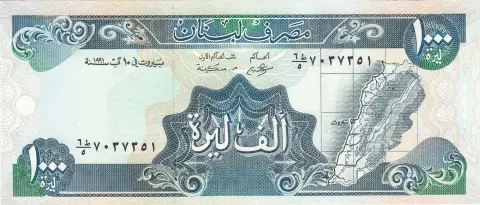
- You should declare cash over a set amount when you arrive. Press reports put it at around US$15,000, and customs has seized undeclared cash, so ask Lebanese customs if you carry a lot.
- Illegal drugs carry long prison sentences.
Flights and the airport
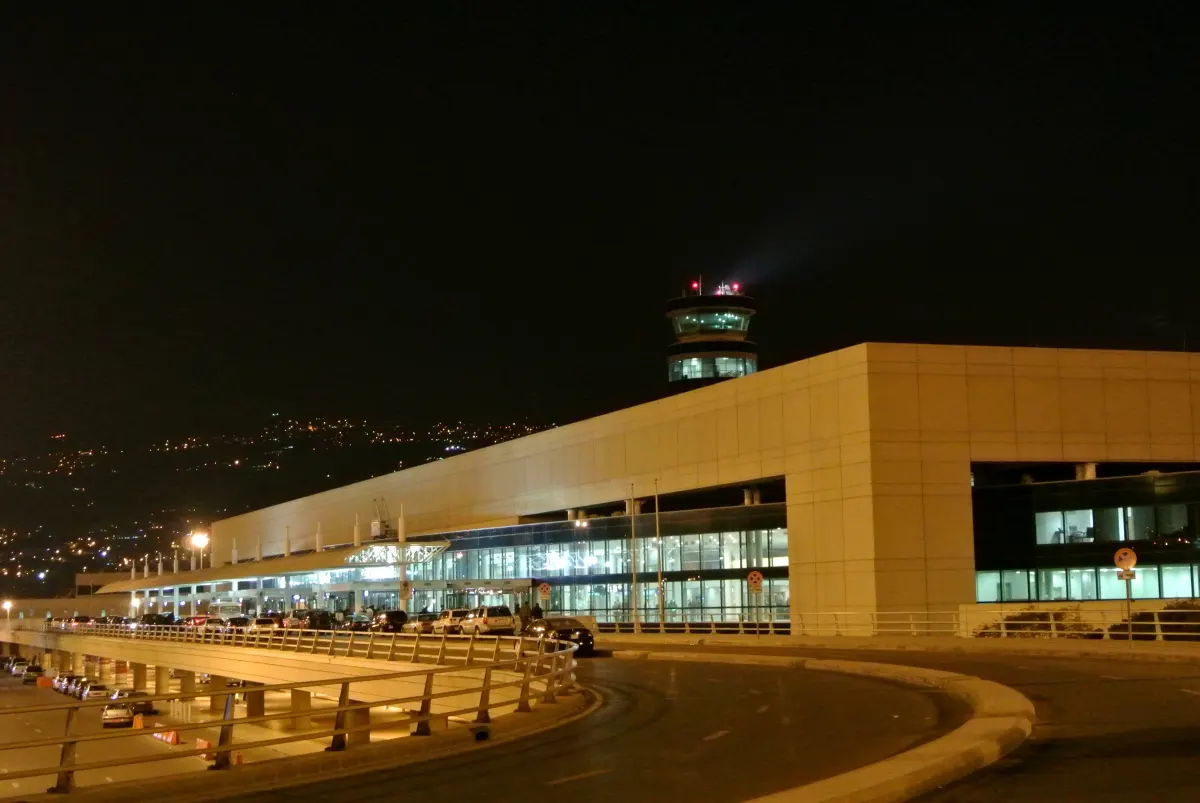
- Beirut's Rafic Hariri International Airport was open in November 2026. Lebanon's airspace can open or close at short notice, and Australia and the US warn of flight cancellations.
- The UK's warning about southern Beirut doesn't cover Route 51, the road from central Beirut to the airport, but check that it's open before you set off. If roads from the airport are blocked, the UK advises waiting at the airport until they reopen.
- Flights from Lebanon to the UK have extra security checks, so allow more time.
Land borders
- Israel: closed, and there's no way across.
- Syria: crossings can shut at short notice, and several governments advise against all travel near that border. Syria's entry rules have also changed quickly in 2026. Read the warnings, and check with the embassies of both countries.
Travel insurance
- Your policy may not be valid if you travel against government advice. Find one that names Lebanon and covers conflict-related risks, medical care and evacuation, and read the exclusions. Canada and New Zealand advise cover that includes medical evacuation.

Comments
No comments yet.