
Laws and customs in Iran: dress code, hijab, alcohol, photography and the internet
Governments advise against all travel to Iran: see Travel warnings for Iran. If you do go, Iran's laws are strict, they apply to foreigners as well as Iranians, and breaking them can lead to arrest. This sums up what the UK and Australian governments say as of November 2026.
Dress code
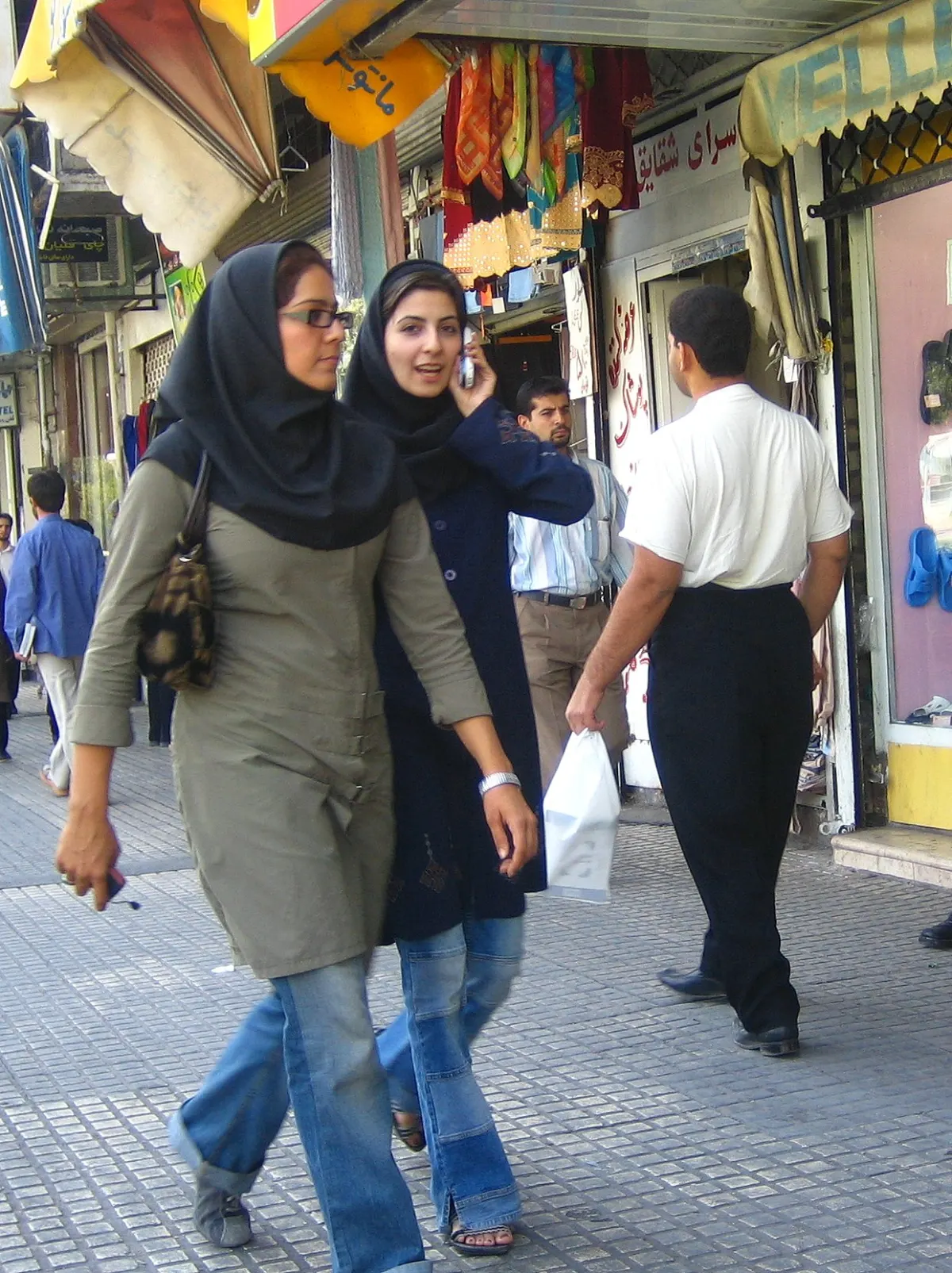
- Women must by law cover their hair with a headscarf in public, and wear loose clothing that covers their arms and legs: trousers or a floor-length skirt, and a long-sleeved tunic or coat that reaches at least mid-thigh. This applies to foreign women too, from the moment you leave the plane.
- At some religious sites, especially shrines, women are asked to wear a chador, a full-length cloak, which is often lent at the entrance.
- Enforcement varies over time and from place to place, but crackdowns have led to mass arrests, and women have been arrested and treated violently over their dress.
- Men should wear long trousers and long-sleeved shirts in public. Shorts aren't acceptable.
- Dress modestly at mosques such as the Nasir al-Mulk Mosque in Shiraz and around Naqsh-e Jahan Square in Isfahan, and take your shoes off where others do.
Alcohol and drugs
- It's illegal to bring in, sell, make or drink alcohol, and penalties can be severe. Only some recognised religious minorities are exempt. People have died from methanol poisoning after drinking illegally made alcohol.
- Drug laws are among the harshest in the world: the penalties include the death penalty, and foreigners convicted of drug offences have been executed.
Photography, drones and devices
- It's illegal to photograph military or government sites, critical infrastructure and protests. Sensitive sites aren't always marked, and foreigners have been arrested for taking photos or carrying camera equipment near them. If in doubt, don't take the picture.
- You need permission to fly a drone or use a satellite phone.
- The UK government warns that using a laptop or other device in public, especially with photos on it, can be misread and has led to arrests for spying.
- Ask before you photograph people, especially women.
- Carry copies of your passport photo page and visa.
Internet and phones
- Many foreign websites, social media sites, messaging apps and streaming services are blocked in Iran.
- The authorities have cut or restricted internet, mobile and landline services without warning, sometimes nationwide. Don't depend on your phone for maps, translation or emergencies: carry paper copies of your bookings, addresses and contact numbers, and agree with family how you'll keep in touch if the internet goes down.
- Be careful what you post or message about Iran or politics while you're there, and what's on your phone: devices can be checked.
Relationships and LGBT+ travellers
- Sex outside marriage is illegal and can carry the death penalty. Relationships between non-Muslim men and Muslim women are illegal. Hotels may ask unmarried couples for a marriage certificate before letting them share a room.
- Same-sex relationships are illegal for men and women, with penalties that include corporal punishment and death.
- Avoid physical contact between men and women in public.
Ramadan
- During Ramadan, don't eat, drink, smoke or chew gum in public during daylight, including in a car. Some restaurants close during the day, and opening hours change.

Buildings
Nasir al-Mulk Mosque, Shiraz
Shiraz, Fars
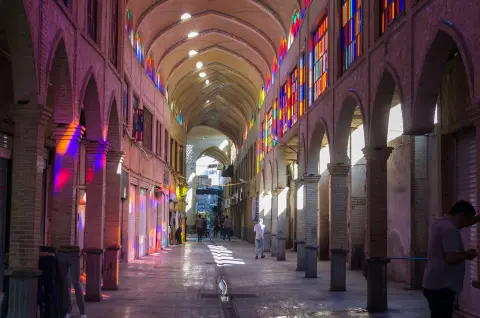
The 'Pink Mosque', built in the 1880s, whose stained-glass windows flood the prayer hall with coloured light in the early morning, falling across the…


Comments
No comments yet.