
Entering Iran: visas, guided tours, passports, Israeli stamps and insurance
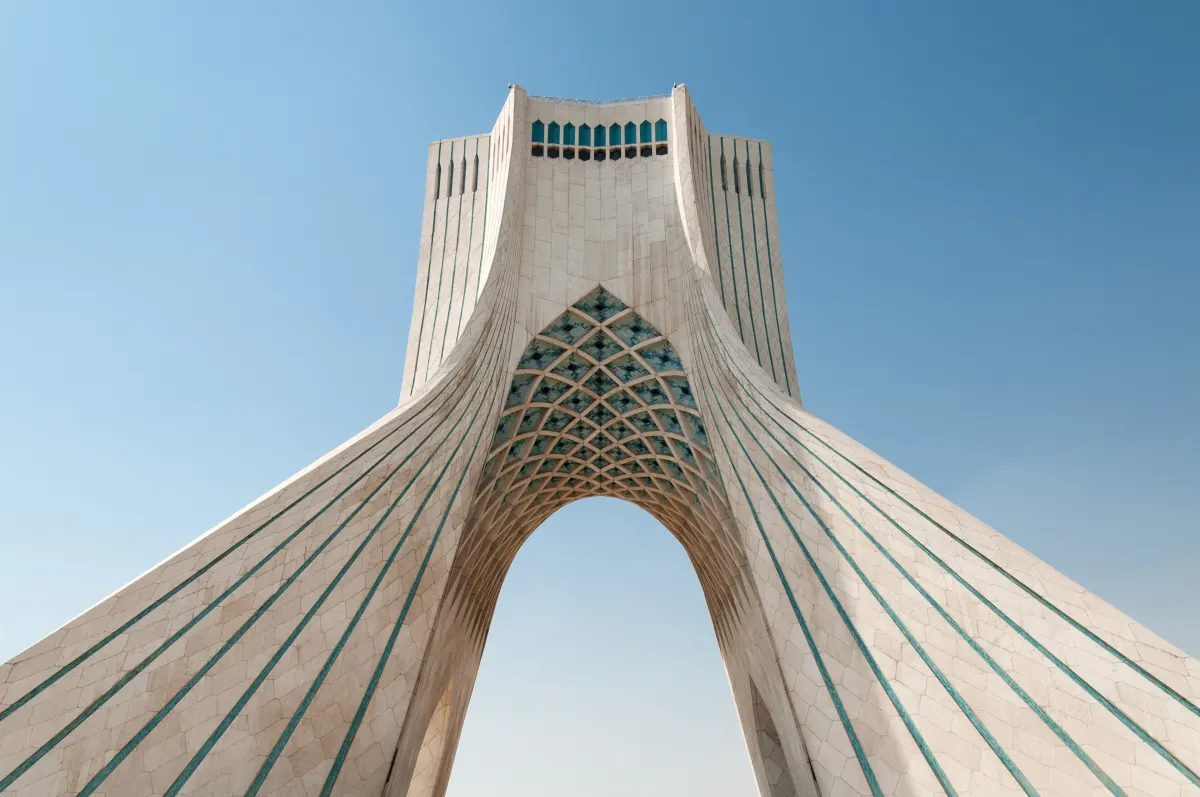
Governments advise against all travel to Iran: read Travel warnings for Iran first. This article is for people who go anyway, for example to visit family, and explains the basic entry rules as of November 2026. Entry rules can change without notice, so check with an Iranian embassy before you travel.
Visas
- Most nationalities need a visa. A few, including citizens of Turkey, Georgia, Armenia, Azerbaijan, Malaysia and China, don't, according to Iran's Ministry of Foreign Affairs.
- You apply online through the Ministry of Foreign Affairs' e-visa site, evisa.mfa.ir, and then collect the visa at an Iranian embassy or, for some nationalities, at the airport when you arrive. The ministry says some applicants also need an interview, and some nationalities have to apply in person at an embassy.
- The UK government says the process is long and unpredictable, so apply well in advance, and that some people have had problems with private online visa agencies.
- Tour or sponsor: the Iranian embassy has told the UK government that British passport holders must apply as part of an organised tour or have a sponsor in Iran. Similar rules have applied to US and Canadian citizens in the past: check with an Iranian embassy.
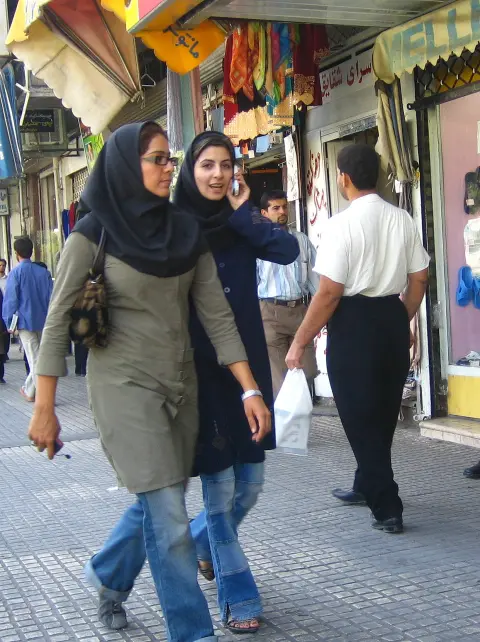
- Women and girls aged 10 and over should wear a headscarf in their visa photo, the UK government says.
- Overstaying your visa means a fine and an exit visa, and you could be held in Iran until it's sorted out.
Passports
- Your passport must be valid for at least six months after you arrive.
- Israel: Iran refuses entry to people with evidence of travel to Israel, and you could be arrested. The Australian government says this includes Israeli stamps or visas, Egyptian or Jordanian stamps from border crossings with Israel, tickets or itineraries that include Israel, and souvenirs, SIM cards or airline tags from Israel.
- If you're an Iranian citizen as well, you must enter and leave on your Iranian passport, and you may not be allowed to leave: see dual nationals.
Customs
- Declare foreign currency when you arrive, or it may be confiscated (Australian government advice). As you'll need to bring all your money in cash, see Money in Iran.
- Bringing in pork products or alcohol is illegal.
- You need permission to bring in or use a drone or a satellite phone.
Travel insurance
- Travel insurance may not be valid if you go against your government's advice. The Australian government says most Australian policies won't cover you in Iran.
- If you go, find a policy that covers Iran specifically, including medical treatment and evacuation, and read the exclusions. Check too whether the Iranian embassy wants to see proof of insurance for your visa.
Getting there and away
- Few international airlines fly to Iran, and there are no direct flights to the UK. Flights can be cancelled and airspace can close at short notice. Most international flights to Tehran use Imam Khomeini International Airport, south of the city.
- Land borders can close or change their rules at short notice. The UK says British nationals need to make arrangements in advance for some crossings, such as asking the British embassy in Ankara for help before crossing into Turkey.


Comments
No comments yet.