
Money in Iran: why you need to bring cash and how to change it
Governments advise against all travel to Iran: see Travel warnings for Iran. If you do go, the most important thing to know about money is that foreign bank cards don't work in Iran.
Cash only
- Because of international sanctions, Iranian banks aren't connected to the international card networks. Debit and credit cards issued outside Iran don't work in ATMs, shops or hotels, and you can't pay for things in Iran with them.
- You can't easily send money into Iran either: the Australian government says you can't transfer funds into Iran through banks or money transfer companies. Travellers' cheques usually can't be changed.
- So you need to bring all the money you'll need, in cash, plus a margin for emergencies. The UK government says that if you can't work out how to get enough rials legally, you may need to rethink your trip.
- US dollars and euros are the easiest currencies to change, the UK government says, and British pounds are harder.
- Carrying a lot of cash is a risk in itself: spread it around your bags and keep it out of sight.
Declaring and changing money
- Declare your foreign cash when you arrive. Money you haven't declared may be confiscated.
- Change money at licensed exchange offices. Changing money on the street is illegal.
Rials and tomans
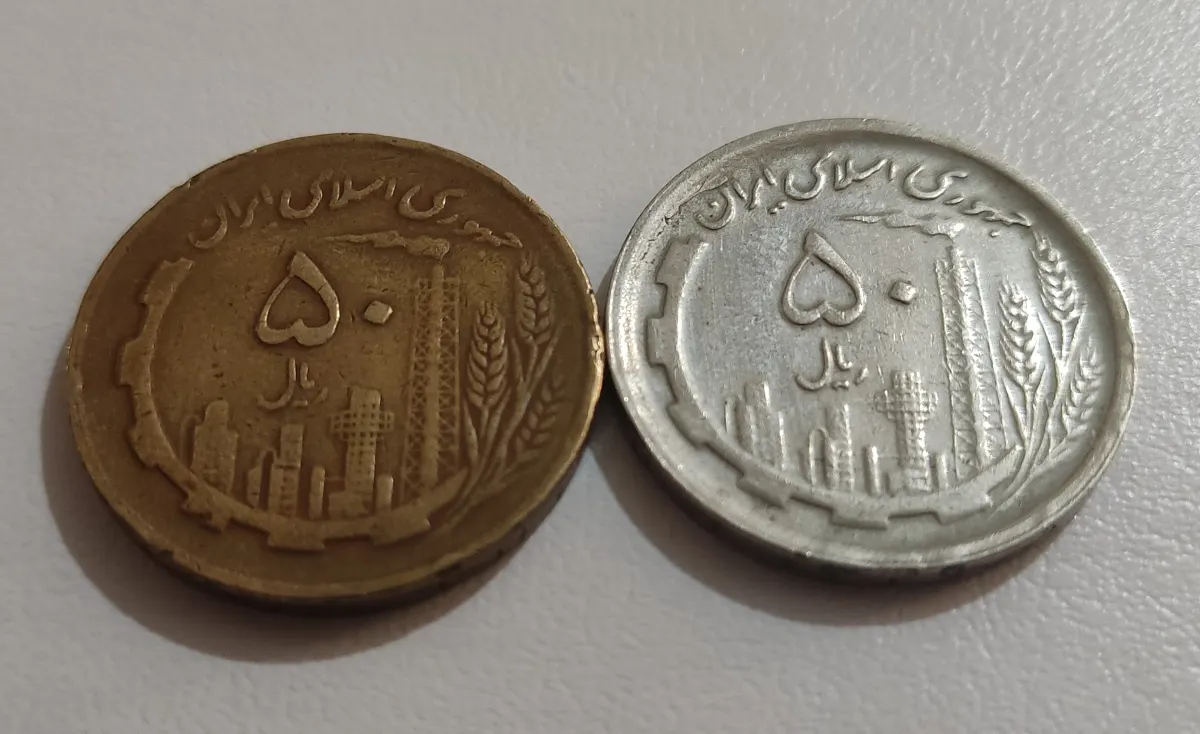
- The currency is the Iranian rial (IRR). Because of inflation, prices run into hundreds of thousands or millions of rials.
- People usually talk about prices in tomans: one toman is ten rials. A price may be written or said in either, so if a price seems ten times too high or too low, ask which one is meant.
- The exchange rate has changed a lot in recent years and there can be more than one rate, so check the current rate when you arrive.


Comments
No comments yet.