
Weather, heat and health in Singapore: rain, the monsoons, the haze, dengue and doctors
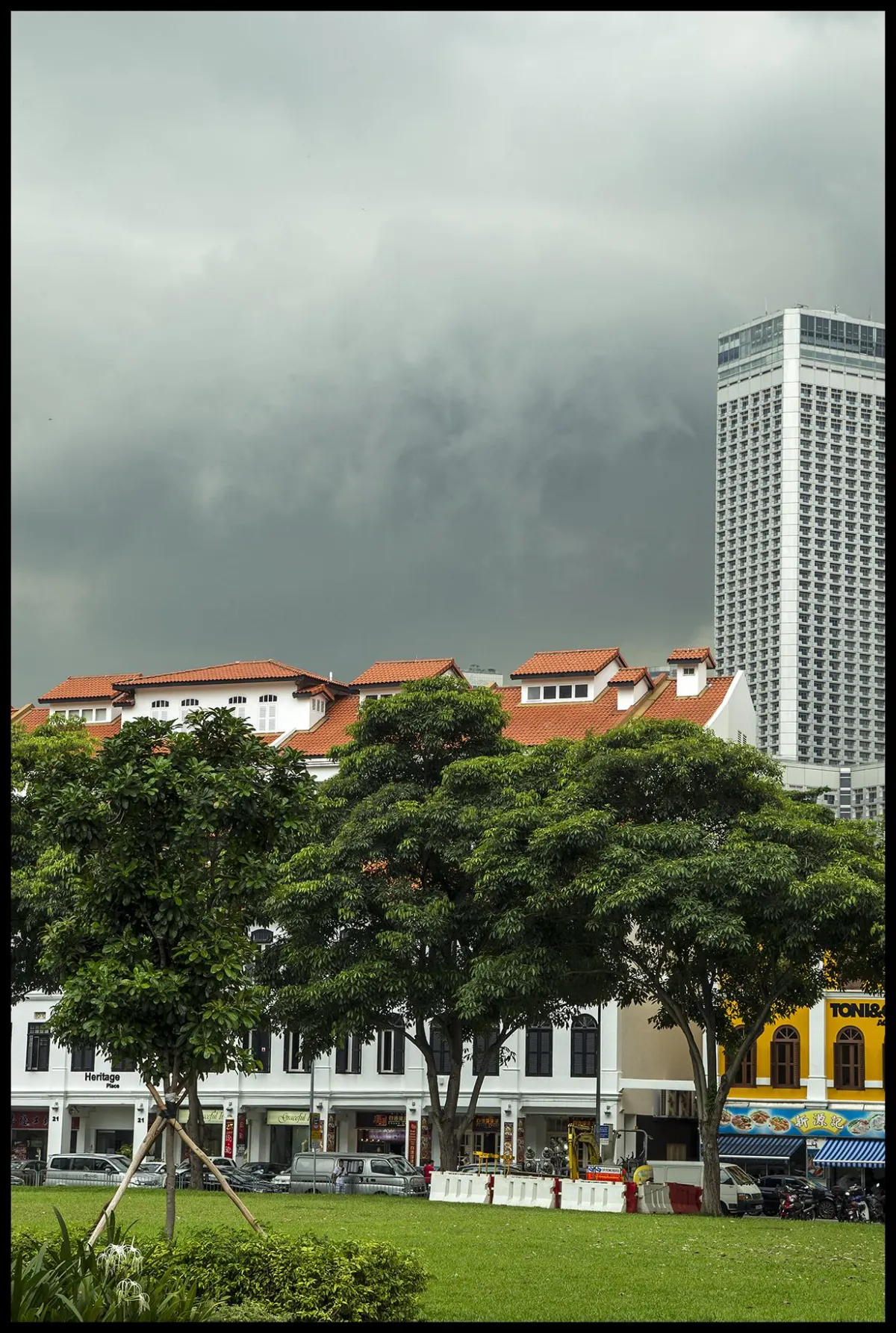
Singapore is only about 140 km north of the equator, so it's hot and humid all year, with little difference between the seasons: there's no bad time to go, only wetter and drier ones. The heat is the thing to plan around.
The weather
- Daytime temperatures are around 31 to 33°C almost every day, falling to about 25°C at night, with high humidity. It's slightly hotter from April to June.
- It rains on many days of the year, often in short, heavy thunderstorms in the afternoon or evening, with lightning. They usually pass within an hour or two: shelter in a mall or under the covered walkways, and carry a small umbrella (it doubles as a sunshade).
- The northeast monsoon (about December to early March) is wetter in December and January, with longer spells of rain, then often breezy and drier in February.
- The southwest monsoon (about June to September) brings early-morning squalls: lines of thunderstorms with strong gusts.
- Between the monsoons (April to May and October to November), afternoon thunderstorms are most frequent.
- Indoors, the air conditioning can be very cold: take a light layer for malls, cinemas, buses and the MRT.
- The Meteorological Service Singapore's forecasts and rain and lightning alerts are on the myENV app and weather.gov.sg.
The heat
- Plan outdoor sightseeing for the early morning and evening, and spend the middle of the day in museums, malls, hawker centres or the air-conditioned domes at Gardens by the Bay. The heat is usually worst from about 11am to 3pm.
- The National Environment Agency's Heat Stress Advisory, in the myENV app, shows heat stress near you as low, moderate or high, with advice: when it's high, cut down on time outdoors.
- Drink plenty of water, wear a hat and sunscreen, and rest in the shade or indoors if you feel dizzy, sick or have a headache. Heat exhaustion can turn into heatstroke, which is an emergency.
The haze
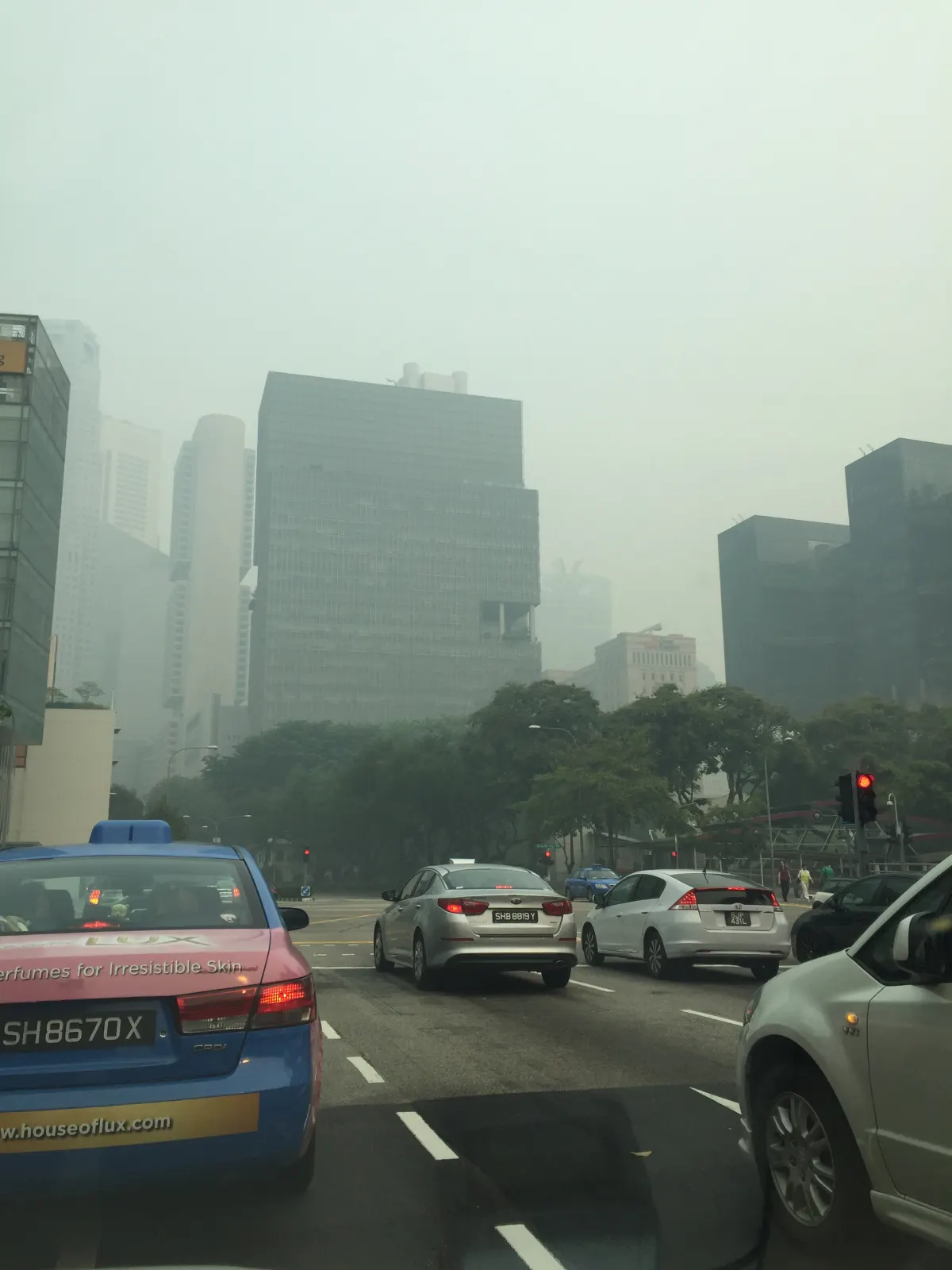
- In some years, smoke from land-clearing fires in Sumatra and Kalimantan, in Indonesia, drifts over Singapore, usually between June and October, especially in dry El Niño years. Bad years were 1997, 2013, 2015 and 2019.
- The National Environment Agency publishes the Pollutant Standards Index (PSI) and hourly PM2.5 readings on the myENV app and haze.gov.sg. When the air is unhealthy, cut down on time outdoors, especially if you have asthma or heart or lung problems; pharmacies sell N95 masks.
Dengue and mosquitoes
- Dengue fever, spread by daytime-biting Aedes mosquitoes, is found in Singapore all year, with more cases in the warmer, wetter months. There's no malaria.
- Use insect repellent (with DEET, picaridin or similar), especially in parks, gardens and green areas, and cover up at dawn and dusk. The myENV app and the NEA website show the current dengue clusters.
- See a doctor if you get a sudden fever, headache, pain behind the eyes, joint pain or a rash, during or soon after your trip. Zika and chikungunya are also spread by Aedes mosquitoes.
Water, food and hygiene
- The tap water is safe to drink, and you can refill your bottle at water fountains in parks and malls.
- Food hygiene is good: hawker stalls are licensed and graded. Stomach upsets are uncommon.
Doctors and hospitals
- Singapore's health care is excellent, but expensive for visitors: get travel insurance that covers medical treatment and evacuation.
- For minor problems, go to a GP clinic (there are clinics in most malls and neighbourhoods, some open late or 24 hours) or a pharmacy such as Guardian or Watsons. Pharmacists can advise on minor illnesses, but many medicines need a doctor's prescription.
- In an emergency, call 995 for an ambulance (it takes you to the nearest public hospital), or go to the emergency department of a hospital. For a non-emergency ambulance, call 1777.
- Bring enough of your regular medicines, and check whether they need approval to bring into Singapore. See Arriving in Singapore.
Swimming and the sea
- The beaches on Sentosa and the East Coast are for relaxing rather than great swimming: the water is calm but often murky, with busy shipping lanes offshore. Swim only where there are lifeguards or flags, and watch out for jellyfish, and lightning in a storm.


Comments
No comments yet.