
Singapore food: hawker centres, choping a seat, ordering kopi and what to eat
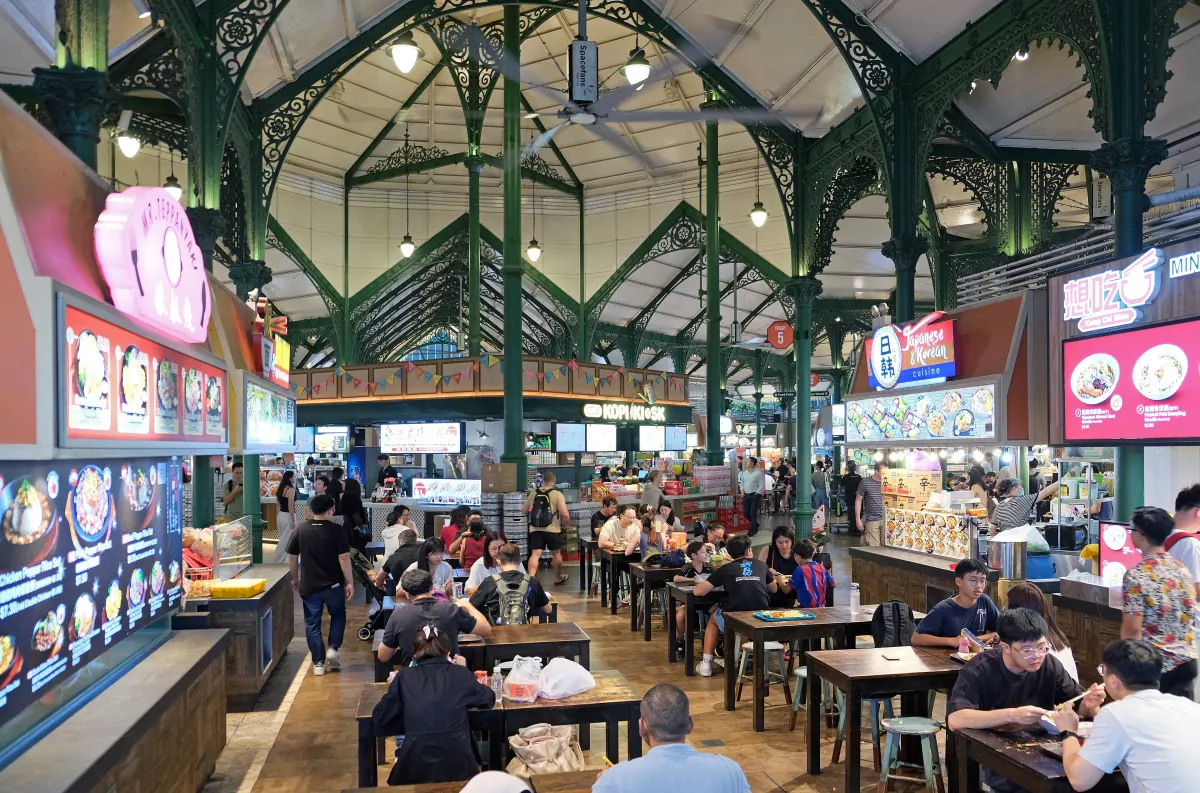
Singapore's best food is some of its cheapest. Hawker centres, open-air food halls of small stalls run by cooks who often make just one dish, are where Singaporeans of every background eat, and in 2020 hawker culture was added to UNESCO's list of the Intangible Cultural Heritage of Humanity. A meal costs a few dollars, and some stalls have Michelin stars or Bib Gourmand listings.
How a hawker centre works
- Find a seat first, especially at lunchtime, then order. Tables are shared, so ask "Anyone sitting here?" before you take a free seat at someone else's table.
- "Chope" (reserve) your seat the Singaporean way: leave a packet of tissues, an umbrella or a lanyard on it. If you see a tissue packet on an empty seat, it's taken. Don't chope with your phone or bag, and don't chope a whole table for a long time in the lunch rush.
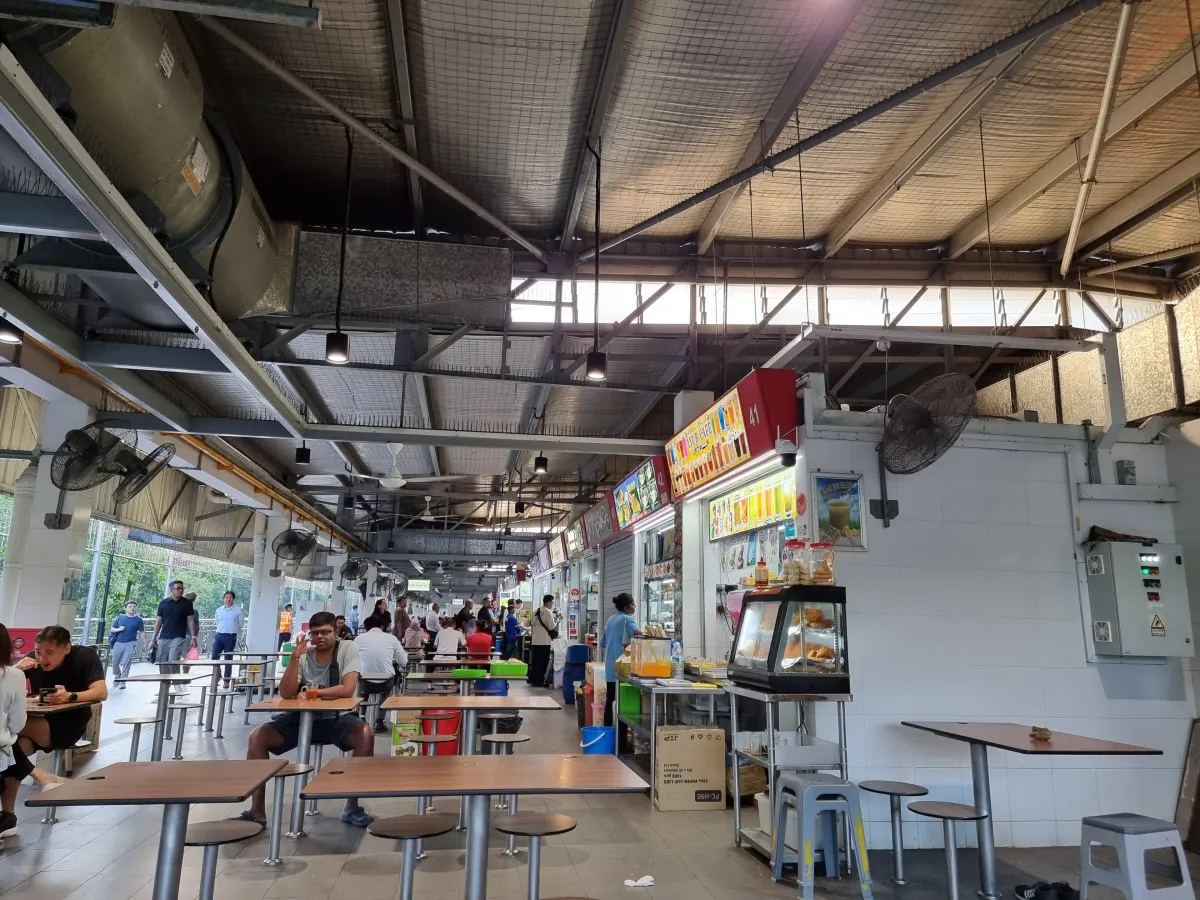
- Order at each stall and pay there. Some stalls give you a buzzer or number, or bring the food to your table: tell them your table number (it's on the table). Queues are a good sign.
- Drinks come from the drinks stall, and some uncles and aunties come round to take drinks orders.
- Pay in cash at many stalls, though more and more take cards or QR codes. See Money in Singapore.
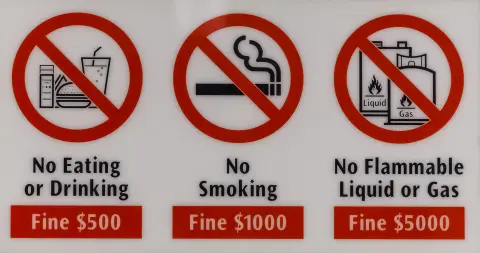
- Return your tray and crockery to the tray return points when you've finished, and clear away your rubbish. It's the law: the National Environment Agency enforces it, and diners who keep leaving their trays can be fined. There are separate return points for halal and non-halal crockery: follow the signs.
- Many stalls close on one day a week, and some sell out and close early: go for breakfast or lunch, or check the opening hours of famous stalls.
- Stalls selling halal food are marked, and Muslim diners use their own crockery: don't bring pork or alcohol to a halal stall's tables.
Where to eat
- Lau Pa Sat, in a Victorian cast-iron market hall in the financial district, where Boon Tat Street becomes satay street in the evenings.
- Maxwell Food Centre and Chinatown Complex, in Chinatown, famous for chicken rice and hundreds of stalls.
- Tekka Centre in Little India, for Indian and Malay food.
- Old Airport Road, Tiong Bahru Market and Newton are other favourites; Newton is the most touristy.
- Every housing estate has its own hawker centre and kopitiams (coffee shops), and these are often the best of all.
- Food courts in malls are air-conditioned versions, a little dearer.
What to eat
- Hainanese chicken rice: poached chicken on rice cooked in chicken stock, with chilli and ginger. The unofficial national dish.
- Laksa: noodles in a spicy coconut curry broth, best in Katong.
- Char kway teow (stir-fried flat noodles), Hokkien mee (prawn noodles), bak chor mee (minced pork noodles) and wanton mee.
- Satay, nasi lemak (coconut rice with sambal, egg and fried anchovies), mee rebus and nasi padang: Malay food.
- Roti prata (flaky flatbread with curry), murtabak, biryani and fish head curry: Indian and Indian-Muslim food.
- Bak kut teh (peppery pork-rib soup), carrot cake (fried radish cake, not a cake) and oyster omelette.
- Chilli crab and black pepper crab: a seafood restaurant feast, sold by weight, so check the price first.
- Peranakan (Nyonya) food, the cooking of the Straits Chinese, like ayam buah keluak and kueh (sweet cakes).
- For dessert: ice kachang, chendol and durian, if you dare.

Food and drink
Hawker centres of Singapore
Tanjong Pagar, Central Singapore
Singapore's hawker culture is UNESCO-listed: open-air food courts with dozens of stalls serving cheap, excellent local dishes like Hainanese chicken …
Kopi and teh: ordering coffee and tea
Breakfast is kaya toast, with soft-boiled eggs and a cup of kopi (strong coffee) or teh (tea), made with condensed milk unless you say otherwise. The words to know:
- Kopi: with condensed milk and sugar. Kopi O: black with sugar. Kopi C: with evaporated milk and sugar.
- Kosong: no sugar (so kopi O kosong is black, no sugar). Siew dai: less sweet. Ga dai: extra sweet.
- Peng: iced. Teh tarik: tea "pulled" between two cups into a froth. Milo dinosaur: iced Milo with a pile of Milo powder on top.
- Fresh juices, sugarcane juice, lime juice and barley water come from the drinks stall too.
Water and hygiene
- Tap water is safe to drink everywhere in Singapore, and every stall is licensed and graded by the National Environment Agency.
- Bring tissues: many hawker centres don't provide napkins (and you'll need a packet to chope a seat anyway).
Comments
No comments yet.