
Culture and neighbourhoods of Singapore: Chinatown, Little India, Kampong Glam, Katong and etiquette
Singapore is a small, modern city-state of about six million people, but it's far more varied than its skyline suggests. Its Chinese, Malay, Indian and Eurasian communities each have their own neighbourhoods, temples, food and festivals, and the old shophouse streets are only a few minutes from the glass towers.
People and languages
- About three-quarters of Singaporeans are of Chinese descent, with large Malay and Indian communities and smaller Eurasian and Peranakan (Straits Chinese) ones, and many foreign residents.
- Singapore has four official languages: English, Malay (the national language), Mandarin and Tamil. English is the language of government, business and schools, and everyone you meet will speak it.
- Singlish, the local English, mixes in Malay, Hokkien, Cantonese and Tamil words, and ends sentences with "lah", "leh" or "lor". "Can" and "can lah" mean yes, "shiok" means delicious or great, and "chope" means to reserve. Don't imitate it, but enjoy it.
Manners
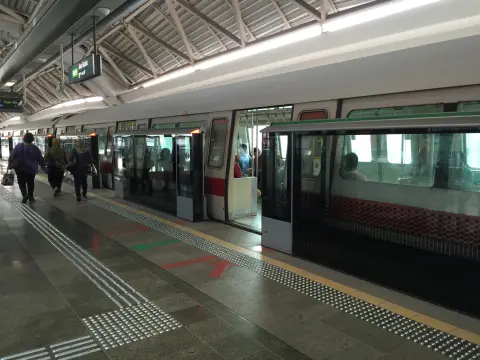
- Singaporeans are polite, orderly and fairly reserved. Queue, keep your voice down on the MRT, and give up priority seats to people who need them.
- "Uncle" and "Auntie" are friendly, respectful ways to address older people, such as hawkers and taxi drivers.
- Take your shoes off when you go into a home, and in many temples and mosques.
- Hand things over, including money and business cards, with your right hand or both hands.
- Race and religion are sensitive subjects, and making offensive remarks about them is a crime. Criticism of the government is common in private, but be careful what you post online.
Temples, mosques and churches
- Visitors are welcome at most religious buildings, outside prayer times. Dress modestly, with shoulders and knees covered: some temples and mosques lend robes or wraps at the door.
- Mosques: take off your shoes; women may be asked to cover their hair. Avoid visiting during Friday midday prayers.
- Hindu temples: take off your shoes, and don't touch the statues of the gods or go into the inner shrines.
- Chinese temples: don't point your feet at the altars, and ask before photographing people praying.
Festivals
- Chinese New Year (January or February): lights and markets in Chinatown, and the Chingay parade. Many shops and hawker stalls close for a few days.
- Thaipusam (January or February): Hindu devotees carry kavadis, ornate frames pierced into their skin, in a procession between temples.
- Hari Raya Puasa, at the end of Ramadan, and Hari Raya Haji: the Geylang Serai bazaar and lights during Ramadan.
- Deepavali (October or November): lights along Serangoon Road in Little India.
- National Day (9 August): the parade and fireworks at Marina Bay. The Formula 1 Singapore Grand Prix night race (usually September or October) closes roads around Marina Bay.
- Also: Vesak Day, the Hungry Ghost Festival (street opera and burning offerings) and the Mid-Autumn Festival with mooncakes and lanterns.
Neighbourhoods to explore
- Marina Bay and the Civic District: the Merlion and Marina Bay Sands, Gardens by the Bay, colonial buildings, the National Gallery and the Asian Civilisations Museum on the Singapore River.
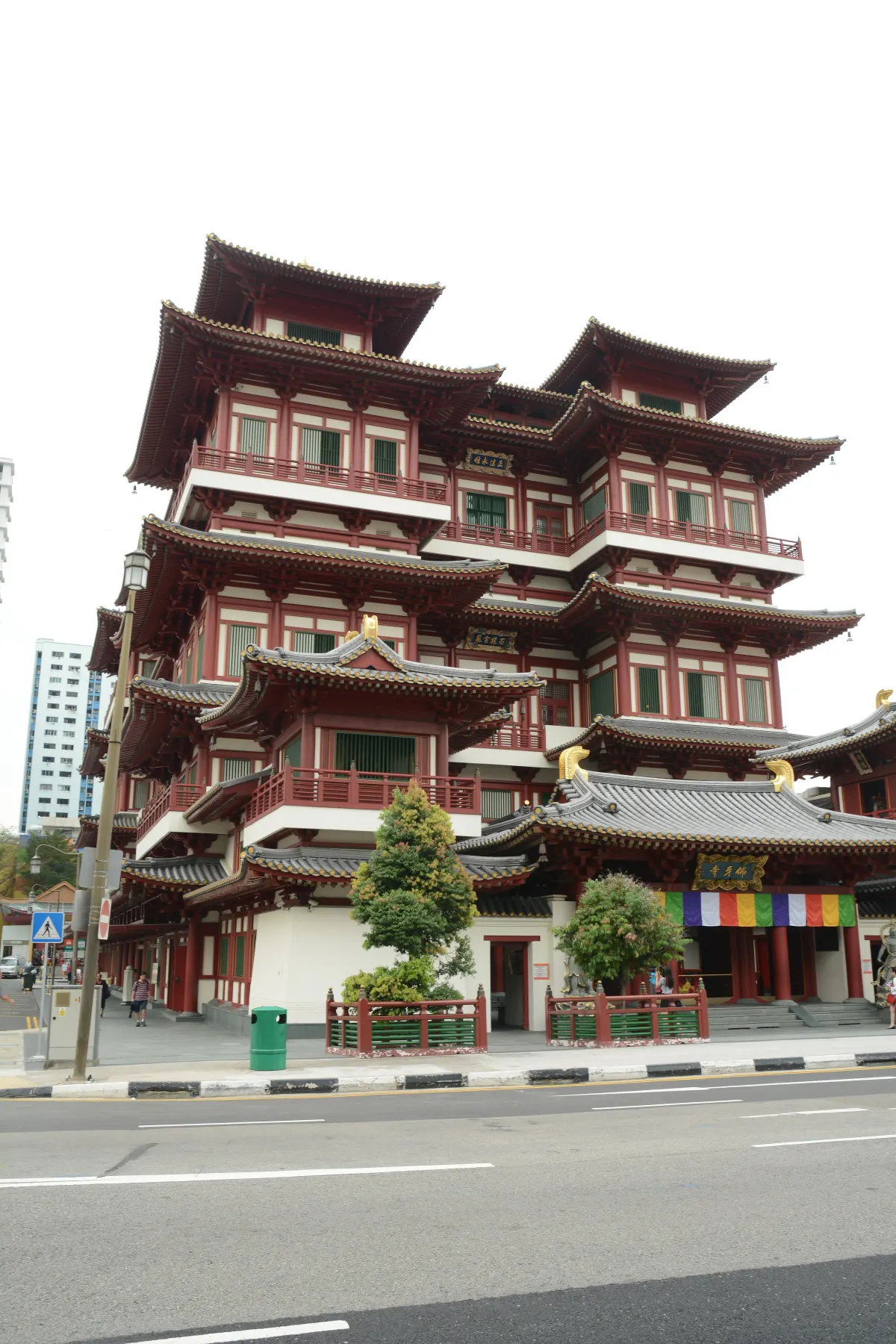
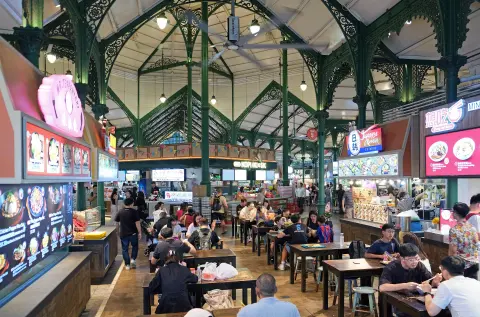
- Chinatown: shophouse streets, the Buddha Tooth Relic Temple, Sri Mariamman (Singapore's oldest Hindu temple), Thian Hock Keng temple and hawker centres. Next door, Tanjong Pagar and Keong Saik Road are full of restaurants and bars.
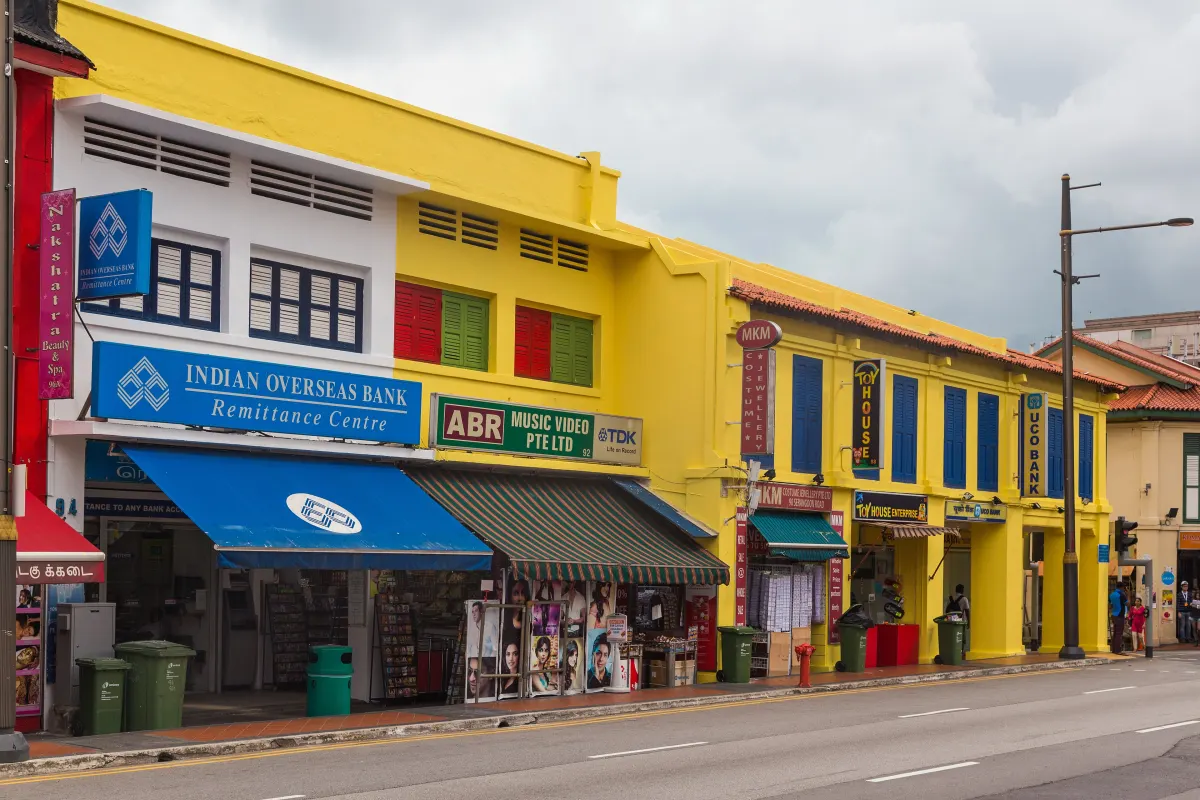
- Little India: Serangoon Road, flower-garland sellers, spice shops, the Sri Veeramakaliamman temple, Tekka Centre and the 24-hour Mustafa Centre. It's busiest, and most lively, on Sunday evenings.
- Kampong Glam: the golden-domed Sultan Mosque, the Malay Heritage Centre, Arab Street's textile shops, and the murals and boutiques of Haji Lane.
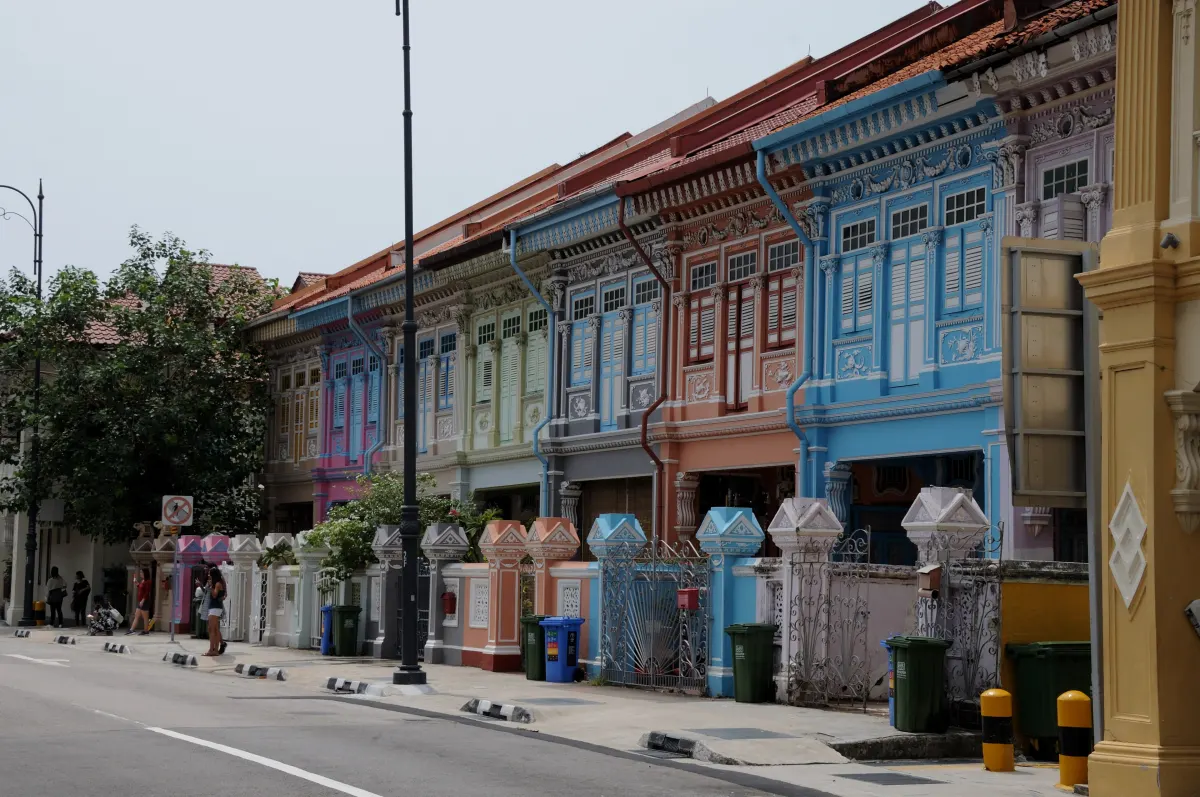
- Katong and Joo Chiat: the brightly painted Peranakan terraced houses of Koon Seng Road, Katong laksa, and Peranakan shops and bakeries. The Peranakan Museum tells their story.
- Tiong Bahru: 1930s Art Deco public housing, cafés, bakeries and an excellent market and hawker centre.
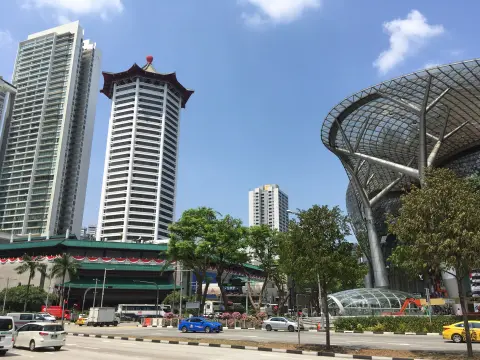
- Orchard Road: miles of malls, and the Botanic Gardens at its end.
- A housing estate: most Singaporeans live in HDB public flats, and estates like Toa Payoh or Ang Mo Kio, with their own markets, hawker centres and temples, show you everyday life.
Comments
No comments yet.