Historic sites
Lascaux IV cave paintings
Montignac, Dordogne
The cave of Lascaux, discovered in 1940, holds some of the finest prehistoric paintings in the world: bulls, horses and deer painted about 17,000 yea…
The Vézère valley around Les Eyzies holds an exceptional concentration of prehistoric caves and shelters, a World Heritage Site.
More than 3,000 prehistoric standing stones, set up in long rows over 4 km of countryside by people living here between about 4500 and 3300 BC.
Beautiful 18th-century gardens built around the spring that gave Nîmes its name, with statues, stone balustrades, canals and the ruins of the Roman T…
The ruins of a Greek and Roman town at the foot of the Alpilles hills, with temples, baths, a forum and houses.
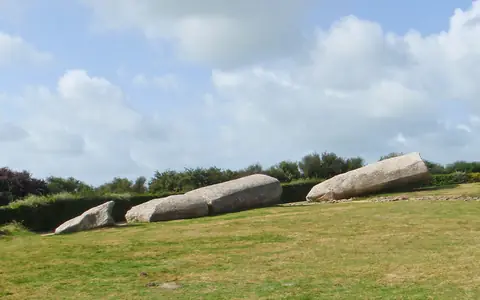
A remarkable group of Neolithic monuments near the Gulf of Morbihan: the Great Broken Menhir of Er Grah, once over 20 metres tall and the largest sta…
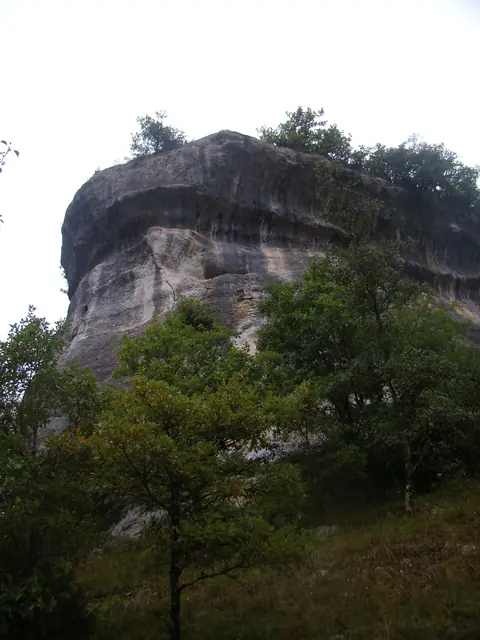
A limestone crag rising like the prow of a ship above the vineyards of Pouilly-Fuissé in southern Burgundy.