Walks and treks

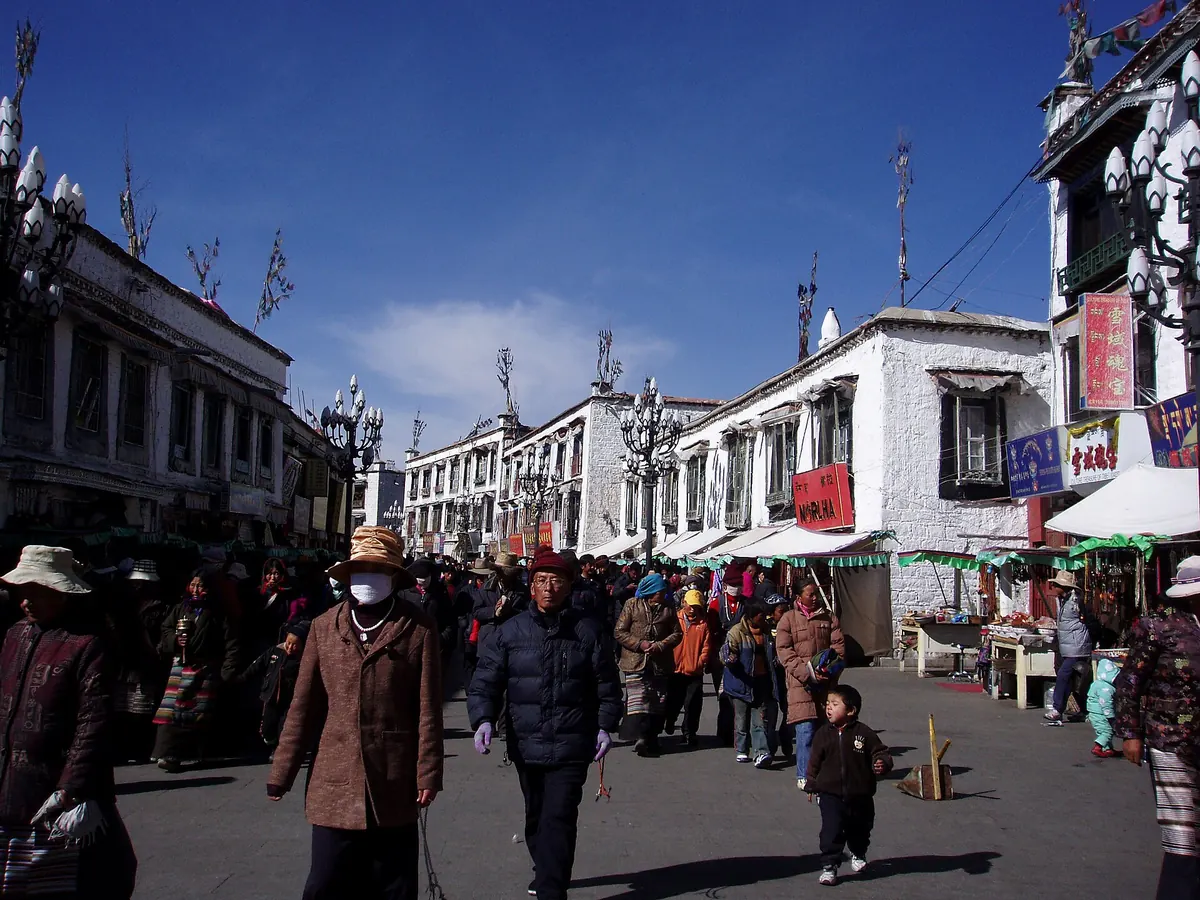
Barkhor kora, Lhasa

China Tibet Lhasa

Barkhor kora, Lhasa
Photo: Taken by Fanghong, CC BY 2.5, via Wikimedia Commons

The pilgrim circuit around the Jokhang Temple in the old town of Lhasa, a ring of streets about 1 km long where Tibetans walk clockwise, turning prayer wheels and spinning beads, from early morning to late evening. It is the heart of old Lhasa.


Join the flow of pilgrims, some in traditional dress from different parts of Tibet, past stalls selling prayer flags, incense, butter, jewellery and religious objects. Old houses with whitewashed walls and black-framed windows line the street. Visit small temples off the route, such as the Jampa Lhakhang, and the Makye Ame café, said to be where the sixth Dalai Lama met his lover.


Walk always clockwise, as the pilgrims do. Security checks are needed at the entrances. Early morning and evening, when the light is soft and locals are out, are the best times.

Comments

No comments yet.

More tips nearby

All tips for China
Historic sites

Potala Palace, Lhasa

Lhasa, Tibet

The former winter palace of the Dalai Lamas, a huge red and white building rising up the Red Hill above Lhasa, at 3,700 m, a UNESCO World Heritage Si…

Attractions

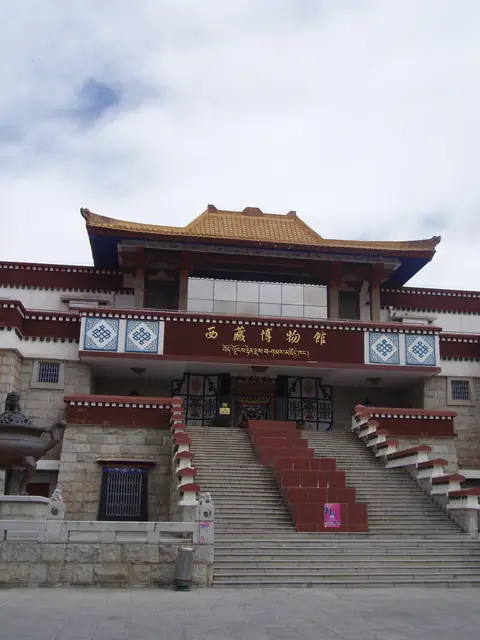
Tibet Museum, Lhasa

Lhasa, Tibet

The main museum of Tibetan history and culture, opposite the Norbulingka in Lhasa, in a building in Tibetan style.

Food and drink

Butter tea and tsampa

Lhasa, Tibet

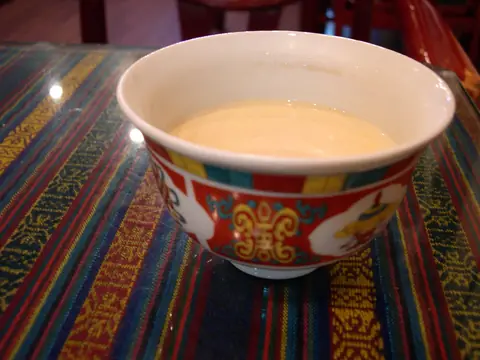
Tibetans drink butter tea (po cha) all day: strong tea churned with yak butter and salt into a rich, savoury drink, a little like soup.

Historic sites

Norbulingka, Lhasa

Lhasa, Tibet

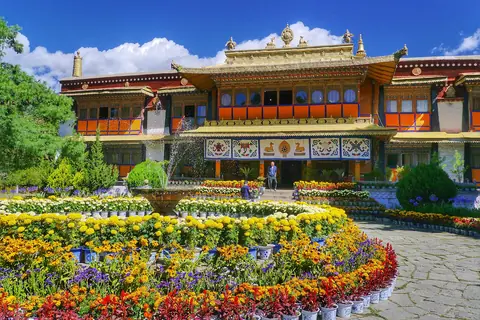
The summer palace of the Dalai Lamas, a large walled park on the western side of Lhasa with palaces, pavilions and gardens, first built in the 1750s.

Historic sites

Sera Monastery, Lhasa

Lhasa, Tibet

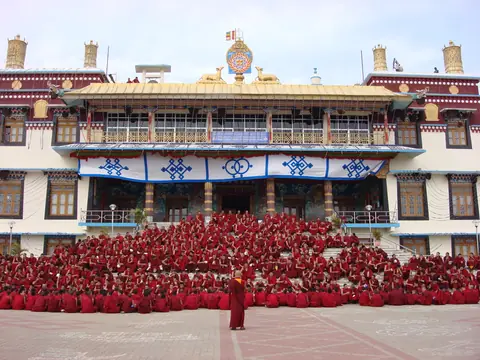
One of the three great Gelugpa monasteries of Tibet, founded in 1419 at the foot of the hills on the northern edge of Lhasa.

Historic sites

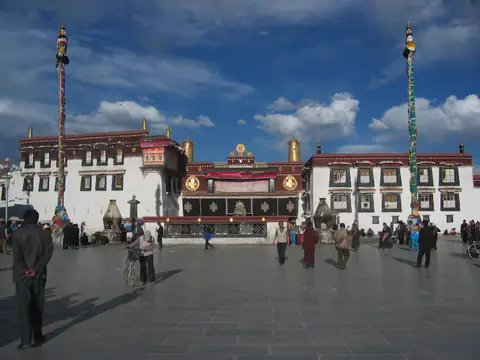
Jokhang Temple, Lhasa

Lhasa, Tibet

The most sacred temple in Tibet, built in the 7th century by King Songtsen Gampo, possibly for his Chinese and Nepali wives.