Natural features

Upo Wetland

South Korea South Gyeongsang Changnyeong-gun

Upo Wetland
Photo: Seong Gyu Eok Men, CC BY-SA 3.0, via Wikimedia Commons

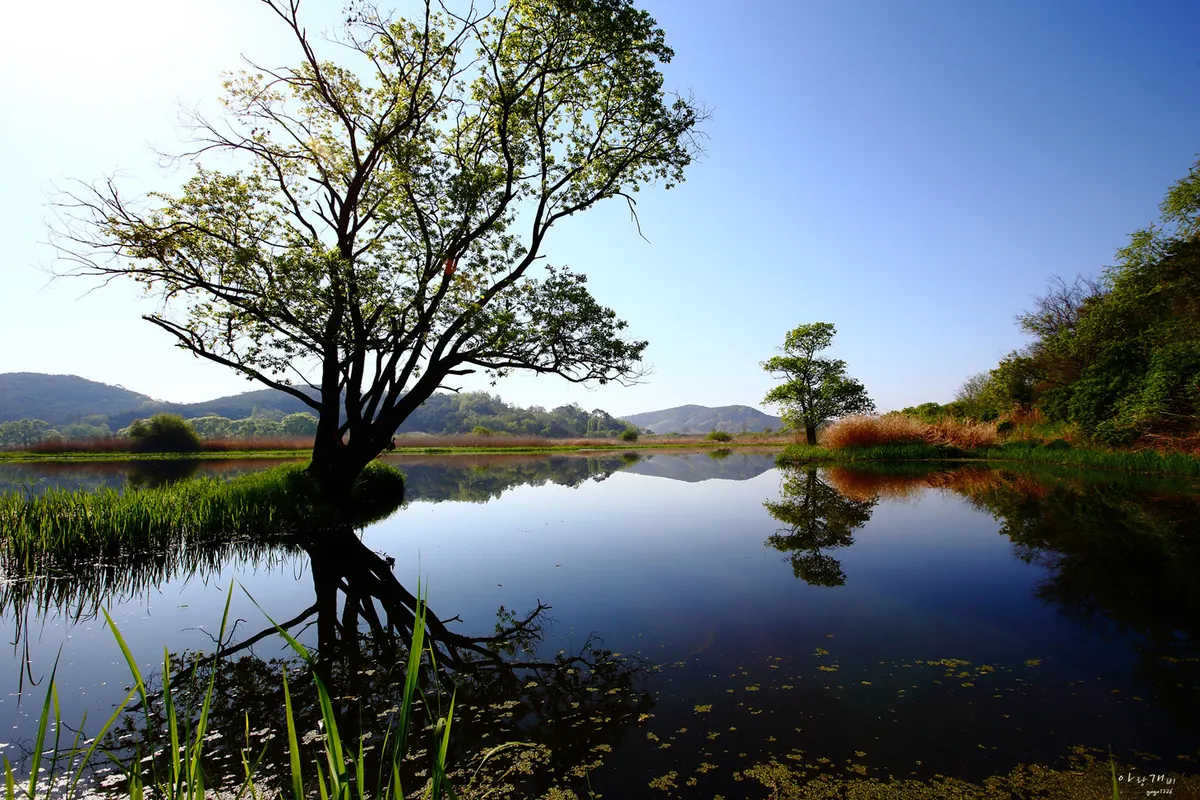
Korea's largest inland wetland, a maze of marshes, ponds and willow groves in the Nakdong River valley, formed about 140 million years ago and protected under the Ramsar convention since 1998. In the morning, mist rises from the water among the trees.


Paths and boardwalks lead around the main marsh, past old willows and water plants, with observatories for birdwatching. Migrating birds visit in spring and autumn, and in winter, swans and geese. The crested ibis, once extinct in Korea, has been reintroduced here.


Bicycles can be hired at the entrance. Changnyeong is about an hour by car from Daegu or Changwon; buses are few.

Comments

No comments yet.

Historic sites

Haeinsa and Gayasan National Park

Hapcheon-gun, South Gyeongsang

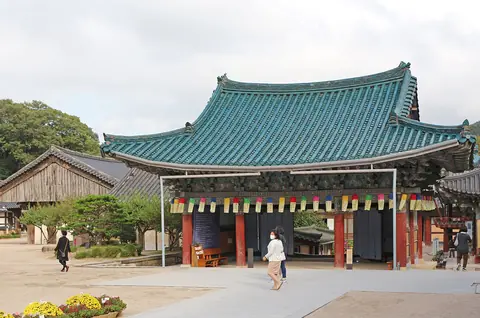
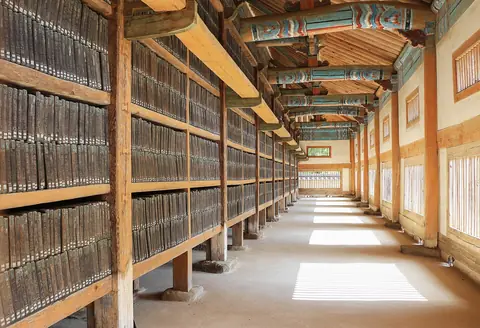
Haeinsa, one of Korea's three jewel temples, is home to the Tripitaka Koreana: more than 80,000 wooden printing blocks carved in the 13th century wit…

Places to stay

Templestay at a Korean temple

Hapcheon-gun, South Gyeongsang

Many Buddhist temples in Korea offer templestays of one or two nights, where you join monks for early morning chanting, meditation, a tea ceremony an…

Natural features

Jinhae cherry blossom festival

Changwon, South Gyeongsang

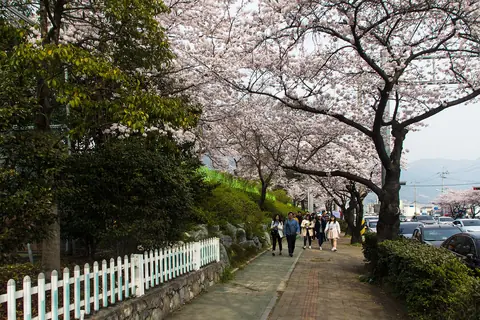
Korea's biggest cherry blossom festival, held for about ten days in late March and early April in Jinhae, a naval port town now part of Changwon.

Natural features

Palgongsan National Park

Dong-gu, Daegu

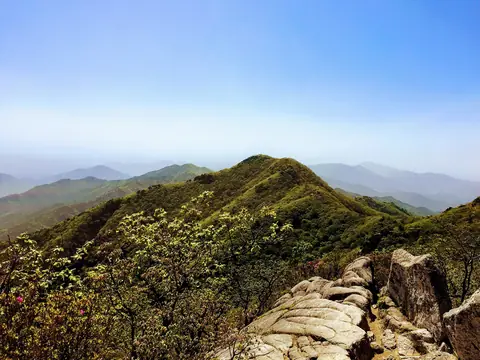
A mountain on the northern edge of Daegu, made Korea's 23rd national park in 2023.

Historic sites

Tongdosa Temple

Yangsan, South Gyeongsang

One of Korea's three jewel temples, founded in 646 by the monk Jajang, who brought relics of the Buddha back from China.